Introduction to Brain Development in Early Childhood
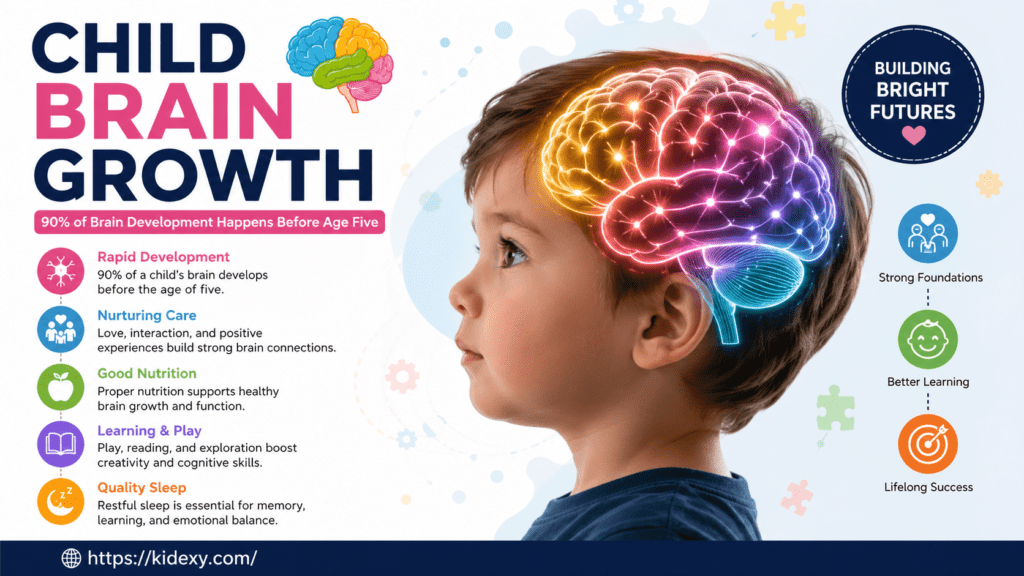
The early years of life are among the most important stages in human development. During this period, a child’s brain grows rapidly and creates millions of neural connections every second. These connections help children learn language, emotions, movement, communication, and thinking skills. Brain development milestones in early childhood play a major role in shaping future learning abilities and overall behavior.
Parents, teachers, and caregivers often wonder how children grow mentally and emotionally during the first five years. Understanding brain development milestones in early childhood helps adults provide the right environment for learning and healthy growth. From recognizing faces as babies to solving simple problems as preschoolers, every stage contributes to lifelong cognitive and emotional development.
Understanding Brain Development Milestones
Brain development milestones are specific skills or abilities children achieve as they grow. These milestones include physical movement, speech, emotional control, social interaction, memory, and problem-solving. Every child develops differently, but milestones provide a helpful guide to understand healthy development during infancy and childhood.
Brain development milestones in early childhood are influenced by genetics, environment, nutrition, sleep, and emotional care. Children learn through interaction with people and experiences around them. Positive communication, playful activities, and loving relationships help strengthen neural pathways and improve overall brain function during these critical years.
Importance of the First Five Years
The first five years of life are considered the foundation of future learning and behavior. During this time, the brain is highly flexible and responsive to experiences. Healthy stimulation helps children develop stronger thinking, communication, and emotional skills. This period also shapes memory, creativity, and social understanding.
Experts believe that most brain growth occurs before a child reaches school age. Brain development milestones in early childhood determine how children process information and respond to challenges later in life. Children who receive emotional support, healthy nutrition, and learning opportunities often perform better academically and socially as they grow older.
Sensory Development During Infancy
Newborn babies begin learning about the world through their senses. They recognize familiar voices, react to sounds, and respond to touch within the first few weeks of life. Sensory experiences are essential because they help the brain create important pathways related to memory, understanding, and emotional comfort.
Brain development milestones in early childhood include sensory awareness that gradually becomes stronger throughout infancy. Babies start following moving objects with their eyes, recognizing caregivers, and reacting to different textures and sounds. Simple activities such as talking, cuddling, and singing help stimulate healthy sensory and cognitive development.
Cognitive Growth in Babies
Cognitive growth refers to the development of thinking and learning abilities. During infancy, babies begin understanding cause and effect relationships. For example, they learn that crying may bring comfort or that shaking a toy creates sound. These early discoveries support mental development and curiosity.
Brain development milestones in early childhood involve rapid cognitive changes during the first year. Babies become more aware of their surroundings and begin exploring objects through touch and movement. Repetitive interactions, playful communication, and exposure to colorful objects encourage stronger memory and learning abilities in young children.
Language Development in Early Childhood
Language development begins much earlier than many people realize. Babies listen to sounds even before speaking their first words. During infancy, children start babbling and responding to voices. Over time, these sounds become meaningful words and short sentences that support communication and emotional expression.
Brain development milestones in early childhood include vocabulary growth, listening skills, and speech understanding. Toddlers learn new words quickly by observing people around them. Reading books, asking questions, and talking regularly with children improve language development and strengthen communication skills during early childhood.
Emotional Development in Young Children
Children gradually learn how to understand and express emotions. During infancy, babies form emotional bonds with caregivers through touch, smiles, and comforting interactions. These secure attachments create feelings of safety and trust, which are essential for healthy emotional development and social confidence later in life.
Brain development milestones in early childhood also include emotional regulation and empathy. Toddlers slowly begin recognizing emotions in others and expressing their own feelings through words and actions. Positive parenting, patience, and supportive communication help children develop emotional intelligence and stronger social relationships.
Motor Skill Development in Infants
Motor skills involve the movement of muscles and coordination of the body. Infants first learn simple movements such as lifting their heads, rolling over, and reaching for objects. As muscles strengthen, babies begin sitting, crawling, and eventually standing or walking with support.
Brain development milestones in early childhood include both gross and fine motor development. Gross motor skills involve large body movements, while fine motor skills include grasping small objects or holding utensils. Physical activity and safe exploration help strengthen coordination, balance, and overall motor abilities during infancy.
Social Development During Toddler Years
Toddlers become more interested in interacting with people around them. They begin imitating adults, playing beside other children, and responding to social situations. These experiences teach communication, cooperation, and emotional understanding, which are important parts of healthy social development during early childhood.
Brain development milestones in early childhood often include learning social behavior through observation and interaction. Children slowly understand sharing, taking turns, and following simple rules. Encouraging positive social experiences helps toddlers build confidence, improve communication skills, and create healthy relationships with others.
Brain Growth Between One and Three Years
The toddler years are filled with rapid learning and curiosity. Children become more active, ask questions, and explore their surroundings continuously. Their brains develop stronger problem-solving abilities and memory skills, allowing them to understand routines, recognize objects, and learn through daily experiences.
Brain development milestones in early childhood become more visible between one and three years of age. Toddlers begin identifying shapes, colors, and familiar people. Their growing independence encourages exploration, while supportive parenting and engaging activities help improve concentration, creativity, and cognitive understanding during this stage.
Problem Solving Skills in Toddlers
Toddlers begin learning how to solve simple problems through play and experimentation. They may stack blocks, complete easy puzzles, or figure out how objects work. These experiences improve thinking skills and encourage curiosity, helping children develop confidence in their ability to learn and explore.
Brain development milestones in early childhood include the growth of reasoning and decision-making abilities. When children are encouraged to try new tasks independently, they develop stronger cognitive skills. Interactive games, storytelling, and hands-on activities support healthy problem-solving development during the early years.
Role of Play in Brain Development
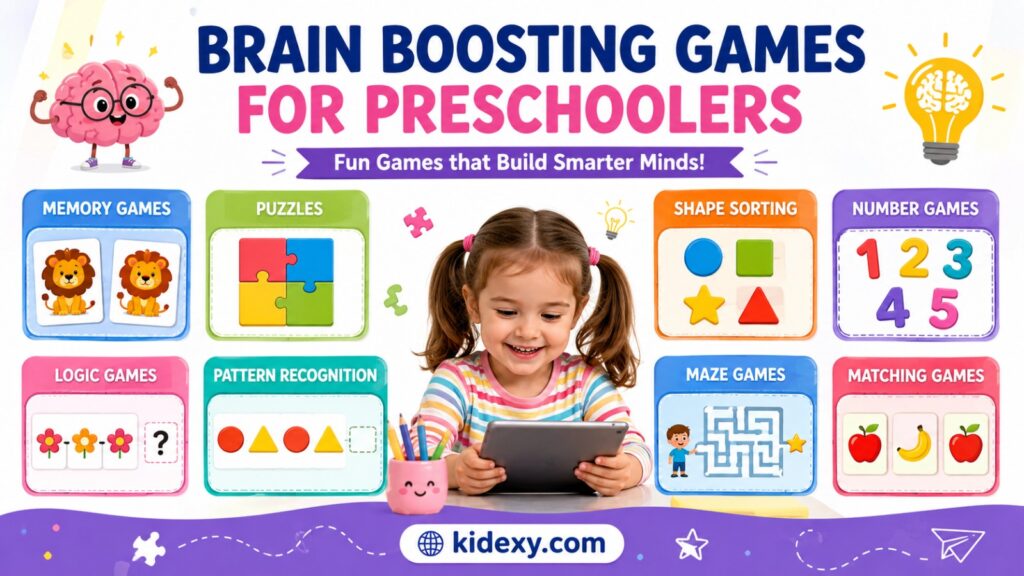
Play is one of the most effective ways children learn during early childhood. Through play, children explore emotions, improve communication, and practice decision-making. Activities such as pretend play, puzzles, drawing, and building blocks stimulate imagination while strengthening important cognitive and emotional skills.
Brain development milestones in early childhood are closely connected to playful learning experiences. Play encourages neural connections that improve memory, creativity, and social interaction. Children who participate in active and imaginative play often develop stronger communication skills and better emotional understanding than those with limited learning opportunities.
Importance of Reading to Children
Reading helps children develop language, listening, and imagination skills from an early age. Even babies benefit from hearing stories and conversations. Reading introduces children to new words, sounds, and ideas that support vocabulary growth and improve understanding of communication patterns.
Brain development milestones in early childhood are positively influenced by daily reading habits. Storybooks improve attention span, memory, and emotional connection between parents and children. Reading together also encourages curiosity and creativity while building strong foundations for future academic success and literacy development.
Nutrition and Brain Development
Healthy nutrition is essential for proper brain growth during childhood. Nutrients such as protein, healthy fats, iron, vitamins, and minerals help support memory, concentration, and learning abilities. Poor nutrition during early childhood may affect cognitive performance and emotional health later in life.
Brain development milestones in early childhood depend heavily on balanced meals and proper hydration. Foods such as fruits, vegetables, eggs, fish, dairy products, and whole grains provide important nutrients for brain function. Healthy eating habits combined with physical activity support overall mental and physical development.
Importance of Sleep for Brain Growth
Sleep is necessary for memory formation, emotional regulation, and physical recovery. During sleep, the brain processes information learned throughout the day and strengthens neural connections. Infants and toddlers require more sleep because their brains and bodies are developing rapidly.
Brain development milestones in early childhood are strongly connected to healthy sleep routines. Children who get enough sleep often show better attention, learning ability, and emotional stability. Consistent bedtime schedules and calm sleeping environments support healthier cognitive and emotional growth during early childhood.
Effects of Screen Time on Development
Technology is now part of daily life, but excessive screen exposure may affect young children negatively. Too much screen time can reduce opportunities for active play, communication, and social interaction. Young children learn best through direct experiences and face-to-face communication with caregivers.
Brain development milestones in early childhood improve when screen time is balanced with physical activity and meaningful interaction. Educational content may support learning when used carefully, but children benefit more from storytelling, creative play, outdoor activities, and real-world experiences that encourage active thinking and imagination.
Preschool Years and Cognitive Development
Between three and five years of age, children develop stronger thinking and reasoning abilities. They begin understanding numbers, shapes, patterns, and simple instructions more clearly. Preschoolers also improve memory and concentration, allowing them to complete tasks and participate in structured learning activities.
Brain development milestones in early childhood continue rapidly during the preschool years. Children become curious about how things work and enjoy asking questions. Activities such as counting games, sorting objects, and creative storytelling support intellectual growth and help prepare children for formal education.
Creativity and Imagination in Childhood
Creativity plays a major role in healthy brain growth during early childhood. Imaginative activities help children express emotions, solve problems, and understand the world around them. Drawing, music, pretend play, and storytelling encourage independent thinking and emotional development.
Brain development milestones in early childhood are strengthened when children are allowed to explore ideas freely. Creative experiences improve memory, concentration, and communication abilities. Encouraging imagination also helps children become more confident, adaptable, and emotionally expressive as they grow older.
Importance of Emotional Security
Children need emotional security to develop healthy relationships and confidence. A safe and loving environment helps children feel protected and valued. Emotional support from parents and caregivers strengthens trust and encourages children to explore their surroundings without fear.
Brain development milestones in early childhood are influenced by emotional experiences and relationships. Positive interactions help reduce stress and support healthy brain function. Children who receive comfort, encouragement, and understanding often show better emotional control, communication skills, and social behavior.
Environmental Influences on Brain Growth
The environment surrounding a child affects development in many ways. A positive environment filled with learning opportunities encourages healthy cognitive and emotional growth. Children benefit from safe homes, responsive caregivers, educational toys, and social interaction that stimulate curiosity and exploration.
Brain development milestones in early childhood may be delayed when children experience chronic stress, neglect, or lack of stimulation. Supportive environments help strengthen neural connections and improve learning abilities. Exposure to books, music, outdoor activities, and meaningful conversations positively shapes brain development during early childhood.
Physical Activity and Brain Function
Physical movement supports both body and brain development in children. Activities such as running, jumping, climbing, and dancing improve coordination while also enhancing memory and concentration. Exercise increases blood flow to the brain, helping children stay active, focused, and emotionally balanced.
Brain development milestones in early childhood improve when children engage in regular physical activity. Outdoor play encourages creativity, social interaction, and problem-solving abilities. Active children often develop stronger motor skills and healthier emotional responses compared to children with limited opportunities for movement and exploration.
Recognizing Developmental Delays
Every child develops at a unique pace, but certain warning signs may indicate developmental concerns. Delays in speech, movement, social interaction, or emotional behavior should be observed carefully. Early identification allows parents and professionals to provide support before challenges become more serious.
Brain development milestones in early childhood help parents understand what skills are generally expected at different ages. Missing several milestones consistently may require professional evaluation. Early intervention programs and supportive therapies can improve learning abilities and help children reach their developmental potential more effectively.
Role of Parents and Caregivers
Parents and caregivers have a powerful influence on childhood brain development. Daily interactions such as talking, listening, hugging, and playing help strengthen emotional and cognitive growth. Children learn communication and behavior by observing how adults respond to them and the environment around them.
Brain development milestones in early childhood are supported when caregivers create consistent routines and positive learning experiences. Encouragement, patience, and responsive communication help children feel secure and motivated to learn. Loving relationships build strong emotional foundations that support healthy mental and social development.
Importance of Early Education
Early education programs help children improve communication, social skills, and problem-solving abilities before entering school. Preschool experiences encourage curiosity, teamwork, and structured learning while preparing children academically and emotionally for future educational challenges.
Brain development milestones in early childhood are strengthened when children participate in engaging educational activities. Teachers and caregivers provide opportunities for creativity, language development, and social interaction. High-quality early education programs can improve confidence, independence, and learning outcomes during childhood and beyond.
Healthy Habits for Strong Brain Development
Healthy routines contribute greatly to cognitive and emotional growth during childhood. Proper nutrition, sleep, exercise, and emotional support help children perform better academically and socially. Consistency in daily habits creates stability and encourages positive learning experiences for young children.
Brain development milestones in early childhood are more likely to progress successfully when children experience healthy lifestyles. Simple habits such as family meals, bedtime routines, outdoor play, and regular reading sessions support stronger memory, communication, and emotional regulation throughout early childhood.
Common Myths About Childhood Brain Development
Many people believe children learn only through formal education, but most learning actually occurs through play and interaction. Another common myth is that intelligence is completely fixed at birth. In reality, the brain remains highly adaptable during early childhood and responds strongly to experiences.
Brain development milestones in early childhood are shaped by environment, relationships, and learning opportunities. Supportive care and stimulation can improve developmental outcomes significantly. Understanding the truth about brain growth helps parents make better decisions regarding education, communication, and emotional support for young children.
Conclusion
The early years of life create the foundation for future learning, emotional health, and social behavior. Brain development milestones in early childhood guide parents and caregivers in understanding how children grow mentally, emotionally, physically, and socially from birth to age five.
Providing children with love, communication, healthy nutrition, playful learning, and emotional security helps support strong brain development. Every child develops differently, but positive experiences during early childhood can shape confidence, intelligence, creativity, and emotional well-being for many years to come.
FAQs
What are brain development milestones in early childhood?
Brain development milestones in early childhood are skills and abilities children achieve as they grow. These milestones include communication, movement, emotional understanding, social interaction, and cognitive learning from birth to age five.
Why are the first five years important for brain development?
The first five years are critical because the brain grows rapidly during this period. Neural connections form quickly, helping children develop memory, language, emotional regulation, and problem-solving skills that support future learning and behavior.
How can parents support healthy brain development?
Parents can support brain development by talking, reading, playing, and providing emotional care. Healthy nutrition, proper sleep, physical activity, and a safe learning environment also help children grow mentally and emotionally.
What foods are good for brain development in children?
Foods rich in healthy fats, vitamins, protein, and minerals support brain health. Examples include eggs, fish, fruits, vegetables, nuts, dairy products, and whole grains that improve memory and concentration.
Can too much screen time affect brain development?
Excessive screen time may reduce opportunities for active learning and social interaction. Young children benefit more from real-world experiences such as outdoor play, storytelling, creative activities, and face-to-face communication.
When should parents worry about developmental delays?
Parents should seek professional advice if a child consistently misses important milestones related to speech, movement, emotional behavior, or social interaction. Early intervention can help improve developmental outcomes effectively.
How does play improve brain development?
Play encourages creativity, problem-solving, communication, and emotional understanding. Activities such as puzzles, pretend play, drawing, and storytelling strengthen neural connections and improve cognitive growth during early childhood.
Why is emotional security important for children?
Emotional security helps children feel safe, confident, and supported. Positive relationships with caregivers reduce stress and encourage healthy emotional, social, and cognitive development throughout childhood.
How does sleep affect childhood brain growth?
Sleep helps the brain process information, strengthen memory, and support emotional regulation. Children who get enough sleep usually show better learning abilities, concentration, and emotional stability.
Do all children reach milestones at the same age?
No, every child develops at a different pace. Some children achieve milestones earlier or later than others. However, regular progress and healthy growth patterns are more important than exact timing.