Introduction
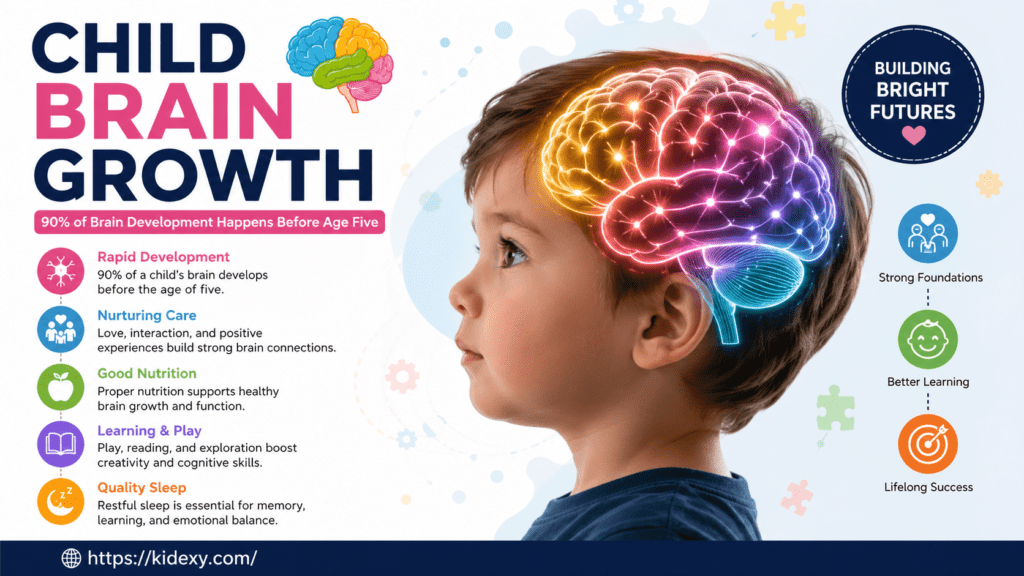
Fine motor skills play a powerful role in shaping how children learn, grow, and interact with the world around them. These skills involve small muscle movements in the hands and fingers that support essential tasks like writing, drawing, and buttoning clothes. When children practice these abilities regularly, their brain forms stronger connections that improve coordination, focus, and learning capacity in daily life.
Fine motor development is not just about physical movement; it is deeply connected to cognitive growth and early education success. Simple activities such as picking up small objects or shaping clay can stimulate brain pathways that support memory and problem-solving. The concept of Fine Motor Activities for Brain Development: Boost Kids Learning Skills Fast highlights how everyday play can transform a child’s mental and physical abilities in a natural and enjoyable way.
Understanding Fine Motor Skills and Brain Development
Fine motor skills refer to the coordination of small muscles in the hands, fingers, and wrists that are controlled by the brain. These movements may seem simple, but they require complex communication between different parts of the nervous system. When children repeatedly engage in precise hand movements, their brain strengthens neural pathways that improve control and accuracy over time.
The relationship between brain development and fine motor skills is especially strong during early childhood. At this stage, the brain is highly flexible and responsive to new experiences. Activities like stacking blocks, tracing shapes, or using tweezers help build strong cognitive foundations. This is why Fine Motor Activities for Brain Development: Boost Kids Learning Skills Fast is widely recommended for parents and educators who want to support early learning success.
Key Benefits of Fine Motor Activities for Children
Fine motor activities provide multiple developmental benefits that go beyond physical coordination. One of the most important advantages is improved hand-eye coordination, which helps children perform tasks like writing, coloring, and using tools more effectively. As these skills improve, children also gain better control over their movements and develop confidence in completing tasks independently.
Another major benefit is cognitive enhancement. Fine motor exercises activate different areas of the brain that are responsible for attention, memory, and problem-solving. When children engage in structured activities regularly, they become more focused and capable of handling academic challenges. This is why Fine Motor Activities for Brain Development: Boost Kids Learning Skills Fast is considered essential in early childhood education systems.
Types of Fine Motor Activities for Brain Development
There are many types of fine motor activities that support brain development in children. One of the most effective categories includes pincer grasp exercises, where children use their thumb and index finger to pick up small objects like beads or buttons. These activities strengthen finger muscles and improve precision, which is important for writing skills later in life.
Another important category includes bilateral coordination tasks that require both hands to work together. Activities like cutting paper, threading beads, or tying simple knots help children develop balance and control. Sensory-based activities such as clay molding and water droplet games also stimulate the brain in creative ways. All these exercises support the purpose of Fine Motor Activities for Brain Development: Boost Kids Learning Skills Fast by combining learning with fun interaction.
Age Wise Fine Motor Activity Guide
For toddlers, fine motor activities should be simple and playful. At this stage, children can engage in activities like stacking blocks, playing with soft clay, or picking up larger objects. These early experiences help them develop basic hand control and sensory awareness while also encouraging curiosity and exploration.
For preschool and early school-age children, activities should gradually become more structured. Tasks such as coloring, cutting shapes, tracing letters, and solving puzzles help refine motor skills and prepare them for academic learning. As children grow, Fine Motor Activities for Brain Development: Boost Kids Learning Skills Fast becomes a structured approach to improving both educational performance and physical coordination.
Easy Home Based Fine Motor Activities
Home environments provide excellent opportunities for fine motor skill development. Everyday objects like clothespins, kitchen tools, and coins can be used creatively to strengthen hand muscles. Parents can encourage children to sort objects, transfer items between containers, or practice gripping and releasing movements during playtime.
DIY activities also play an important role in skill development. Simple crafts using paper, cardboard, or clay allow children to explore creativity while improving precision. These home-based exercises support the idea of Fine Motor Activities for Brain Development: Boost Kids Learning Skills Fast by turning ordinary household routines into powerful learning experiences.
Role of Teachers and Schools in Fine Motor Development
Teachers play a crucial role in developing fine motor skills in children through structured classroom activities. Schools can integrate exercises like drawing, writing practice, and craft projects into daily lessons. These activities not only improve motor skills but also enhance concentration and classroom engagement among students.
Group-based activities are also highly effective in educational environments. When children work together on puzzles, building blocks, or art projects, they develop both social and motor skills. This approach supports Fine Motor Activities for Brain Development: Boost Kids Learning Skills Fast by creating a balanced learning environment that encourages collaboration and creativity.
Common Mistakes Parents Should Avoid
One common mistake parents make is relying too heavily on digital devices instead of hands-on activities. While technology has its place, excessive screen time can limit a child’s opportunity to develop essential motor skills. Physical interaction with objects is necessary for proper brain and muscle development.
Another mistake is pushing children too quickly into advanced writing or complex tasks before they are ready. This can lead to frustration and reduced confidence. A gradual and playful approach is more effective, especially when applying Fine Motor Activities for Brain Development: Boost Kids Learning Skills Fast in daily routines.
Signs of Improved Fine Motor Skills
As children develop stronger fine motor skills, noticeable improvements begin to appear in their daily activities. One of the first signs is better grip control when holding pencils, crayons, or utensils. Children also show improved accuracy in drawing, coloring, and writing tasks, which reflects stronger brain-hand coordination.
Another positive sign is increased independence in self-care activities. Children become more capable of buttoning clothes, tying shoelaces, and performing small daily tasks without assistance. These improvements demonstrate the effectiveness of Fine Motor Activities for Brain Development: Boost Kids Learning Skills Fast in supporting overall growth.
Conclusion
Fine motor development is a critical part of a child’s early learning journey. It strengthens both physical coordination and cognitive abilities, helping children succeed in academic and daily life tasks. Simple, consistent activities can make a significant difference in shaping a child’s future learning capacity and confidence.
By incorporating structured play and creative exercises into everyday routines, parents and teachers can unlock a child’s full potential. The concept of Fine Motor Activities for Brain Development: Boost Kids Learning Skills Fast serves as a powerful reminder that learning does not always require complex tools—sometimes, the simplest activities create the strongest results.
FAQs
What are fine motor activities for brain development?
Fine motor activities for brain development are small hand and finger exercises that improve coordination, strength, and control. These activities help the brain develop stronger neural connections that support learning, writing, and problem-solving skills in children.
At what age should children start fine motor skill activities?
Children can start simple fine motor activities as early as infancy. However, the most important developmental stage is between ages two and seven, when the brain is highly responsive to learning and skill development.
How do fine motor skills improve brain development?
Fine motor skills improve brain development by strengthening the connection between hand movements and cognitive processing. Repeated practice helps build neural pathways that enhance focus, memory, and coordination.
What are some simple fine motor activities at home?
Simple activities include playing with clay, using clothespins, sorting small objects, drawing, coloring, and threading beads. These everyday tasks support both creativity and motor skill development.
Can poor fine motor skills affect learning ability?
Yes, weak fine motor skills can affect writing, concentration, and classroom performance. Children may struggle with tasks that require precision and coordination, which can impact overall learning progress.
How much daily practice is needed for improvement?
Even 15 to 30 minutes of daily fine motor practice can lead to noticeable improvement over time. Consistency is more important than long or intense sessions.
What toys help improve fine motor skills?
Toys such as building blocks, puzzles, beads, clay sets, and stacking games are highly effective for improving fine motor skills. These toys encourage creativity and hand coordination.
How can teachers support fine motor development in classrooms?
Teachers can support development by including drawing, crafting, cutting, and writing exercises in daily lessons. Group activities and interactive learning also help strengthen coordination and engagement.