Introduction
Screen-free play is becoming more important in today’s digital world where children are exposed to mobile phones, tablets, and television at an early age. The idea of screen free activities for kids brain growth focuses on engaging children in meaningful, hands-on experiences that naturally improve thinking ability, memory power, creativity, and emotional balance without relying on digital devices.
These activities help children explore the world through real interaction, physical movement, and imaginative play. When kids participate in creative tasks like building, drawing, or storytelling, their brain forms stronger neural connections. This natural learning process supports long-term cognitive development and helps children stay more focused, confident, and socially active in everyday life.
Why Screen Free Activities Matter for Brain Development
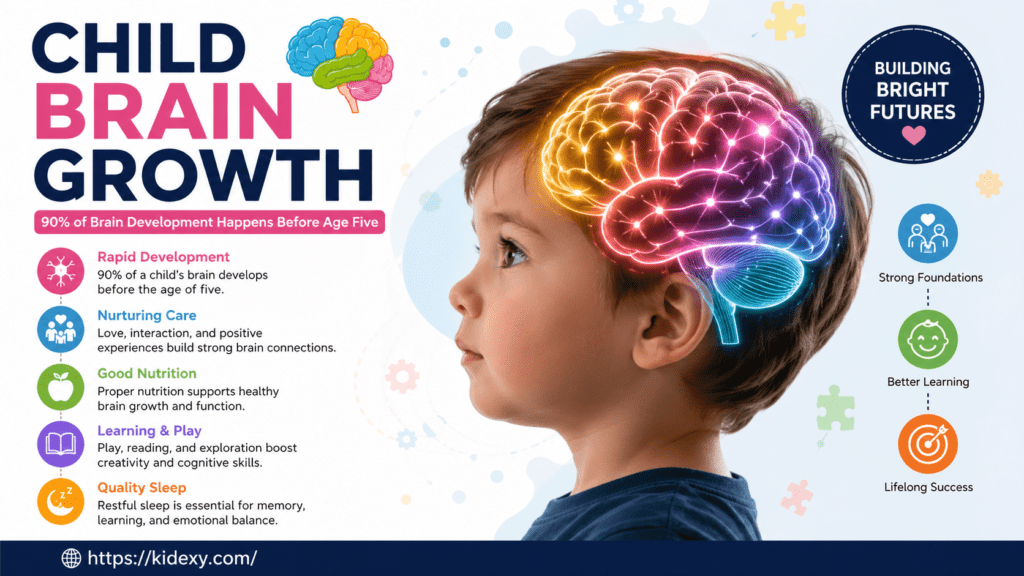
Children’s brains develop rapidly during early childhood, making it the most important stage for learning and skill building. Screen free activities for kids brain growth provide opportunities for real-world interaction, which strengthens attention span and improves learning retention. Unlike passive screen time, active play encourages children to think, respond, and create.
When children engage in physical and imaginative activities, they learn how to solve problems independently and interact with their environment. These experiences shape emotional intelligence and social behavior. Over time, kids become better at communication, teamwork, and decision-making, which are essential skills for academic and personal success.
Understanding Early Brain Growth in Children
Early brain development depends heavily on sensory experiences and real-life interactions. During this stage, children learn best through touch, movement, sound, and visual exploration. Screen free activities for kids brain growth play a major role in strengthening these sensory pathways, helping children understand how the world works in a practical way.
When a child plays with objects, listens to stories, or engages in physical activity, the brain actively builds connections between different regions. This improves memory, coordination, and cognitive flexibility. Such natural stimulation is essential for developing strong foundational learning skills that support future academic performance.
Negative Effects of Excessive Screen Exposure
Too much screen exposure can affect a child’s ability to focus and process information effectively. When children spend long hours on digital devices, their attention span may reduce, making it harder for them to concentrate on tasks that require patience and effort. This can also limit creativity and reduce curiosity.
In addition to focus issues, excessive screen time may impact sleep patterns and emotional regulation. Children can become easily distracted or less interested in real-world activities. Reducing screen time and introducing screen free activities for kids brain growth can help restore balance and support healthier cognitive development.
Benefits of Screen Free Learning
Screen-free learning offers a wide range of developmental benefits that support both academic and emotional growth. It encourages children to think independently, solve problems creatively, and express ideas freely. These skills are essential for building confidence and intellectual strength in early childhood.
Another important benefit is improved social interaction. When children engage in group play or collaborative activities, they learn communication, empathy, and teamwork. Screen free activities for kids brain growth also help reduce stress and promote a healthier, more active lifestyle that supports overall well-being.
Puzzle and Problem Solving Games
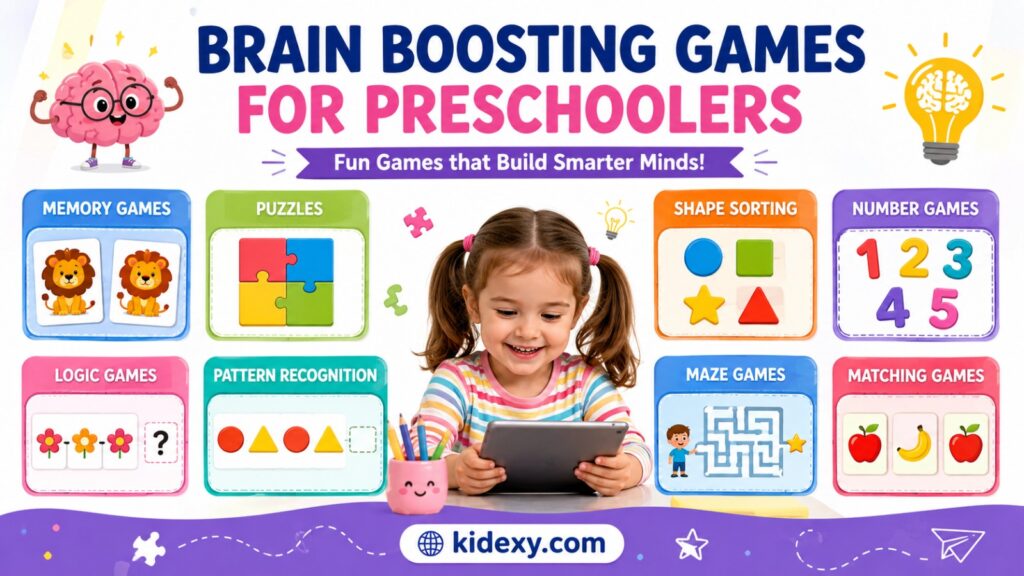
Puzzle-based activities are powerful tools for developing logical thinking and concentration. Games like jigsaw puzzles, mazes, and memory cards encourage children to observe details, analyze patterns, and find solutions. These tasks help improve mental focus and strengthen problem-solving skills.
When children regularly engage in such activities, their ability to think critically becomes sharper. Screen free activities for kids brain growth that involve puzzles also enhance patience and persistence, as children learn to work through challenges step by step without giving up easily.
Creative Art and Craft Activities
Art and craft activities provide children with an opportunity to express their imagination in a free and open environment. Drawing, painting, and crafting help improve fine motor skills while also encouraging creative thinking. These activities allow children to explore colors, shapes, and textures.
Creative expression is essential for emotional development as well. When children create something with their hands, they feel a sense of achievement and confidence. This form of screen free activities for kids brain growth supports both mental relaxation and intellectual stimulation at the same time.
Reading and Storytelling Activities
Reading and storytelling are powerful ways to develop language skills and imagination. When children listen to stories or read picture books, they build vocabulary, comprehension, and communication abilities. Storytelling also helps them understand emotions and moral values.
Interactive storytelling encourages children to participate and think creatively about characters and events. This improves memory and cognitive association skills. Such activities are a vital part of screen free activities for kids brain growth because they strengthen both intellectual and emotional intelligence.
Building and Construction Play
Building activities such as block construction, LEGO play, and cardboard modeling help children understand structure, balance, and design. These hands-on experiences develop spatial awareness and logical thinking. Children learn how different parts connect to form a complete structure.
This type of play also enhances patience and planning skills. Screen free activities for kids brain growth involving construction encourage children to think ahead, test ideas, and improve their designs through trial and error, which strengthens problem-solving abilities.
Outdoor Activities for Brain Growth
Outdoor play is essential for physical and mental development. Activities like running, nature walks, and scavenger hunts expose children to real-world environments that stimulate curiosity and exploration. These experiences also improve coordination and physical strength.
Being outdoors allows children to observe nature, interact with peers, and develop social confidence. Screen free activities for kids brain growth performed outside the home provide a healthy balance between physical movement and cognitive learning.
Music and Movement Activities
Music and movement activities play an important role in improving rhythm, coordination, and memory. Dancing, singing, and clapping games help children synchronize body movements with auditory signals. This enhances brain function and listening skills.
These activities also support emotional expression and stress relief. When children engage in music-based play, they become more relaxed and focused. Such screen free activities for kids brain growth are especially effective in improving attention and mental clarity.
Age Based Screen Free Activities
Different age groups require different types of activities to support brain development. Toddlers benefit from sensory play and shape sorting, while preschoolers enjoy coloring and pretend play. Older children can engage in board games and science experiments.
Age-appropriate learning ensures that children remain interested and challenged. This makes screen free activities for kids brain growth more effective because they match the child’s developmental stage and learning capacity, ensuring steady cognitive improvement.
How These Activities Improve Memory and Focus
Memory and focus improve significantly when children engage in hands-on learning. Activities that require repetition, attention, and problem-solving help strengthen neural connections in the brain. This leads to better information retention and sharper concentration skills.
Over time, children become more disciplined and attentive in both academic and daily tasks. Screen free activities for kids brain growth play a crucial role in training the brain to stay focused for longer periods without distraction.
Creating a Screen Free Routine at Home
Establishing a balanced routine at home is essential for reducing screen dependency. Parents can allocate specific times for learning, play, and outdoor activities. This structured approach helps children develop discipline and time management skills.
A supportive environment encourages children to explore different activities naturally. When screen free activities for kids brain growth become part of daily life, children gradually develop healthier habits and stronger cognitive abilities.
Educational Toys and Learning Tools
Educational toys such as puzzles, flashcards, and building kits are excellent tools for cognitive development. These toys encourage interactive learning and help children understand complex concepts in a simple way.
DIY learning materials made from household items can also be very effective. Screen free activities for kids brain growth using educational tools make learning fun and engaging while improving creativity and problem-solving skills.
Common Mistakes Parents Should Avoid
One common mistake parents make is relying too heavily on digital devices for entertainment and learning. While technology has its benefits, excessive use can limit natural brain development. Balanced exposure is essential.
Another mistake is not providing enough variety in activities. Children need different types of stimulation to grow intellectually. Proper implementation of screen free activities for kids brain growth ensures well-rounded development and long-term learning success.
Tips to Keep Children Engaged
Keeping children interested requires creativity and consistency. Rotating activities regularly helps maintain excitement and curiosity. Parents should also encourage participation instead of forcing structured learning.
Involving children in decision-making makes them feel valued and motivated. When screen free activities for kids brain growth are presented as fun rather than obligation, children naturally become more engaged and enthusiastic.
Conclusion
Screen-free learning is one of the most effective ways to support healthy brain development in children. It enhances memory, focus, creativity, and emotional intelligence through real-world experiences and interactive play. These benefits last throughout life and shape strong learning foundations.
By incorporating screen free activities for kids brain growth into daily routines, parents can help children develop balanced habits, stronger thinking skills, and better social behavior. This approach ensures a healthier, more active, and intellectually rich childhood experience.
FAQs
What are screen-free activities for children?
Screen-free activities are hands-on experiences such as puzzles, reading, drawing, and outdoor play that help children learn without digital devices. These activities support cognitive development, improve focus, and encourage creativity while promoting healthier lifestyle habits.
How do screen-free activities improve brain development?
They improve brain development by engaging multiple senses and encouraging active participation. Children develop stronger memory, problem-solving skills, and emotional intelligence through real-world experiences that require thinking, movement, and interaction.
Why is too much screen time harmful for kids?
Excessive screen time can reduce attention span, affect sleep quality, and limit creativity. It may also decrease social interaction and physical activity, which are essential for healthy brain and body development during early childhood.
What are some easy screen-free activities at home?
Simple activities include drawing, storytelling, building blocks, board games, cooking with parents, and indoor treasure hunts. These activities are easy to organize and highly effective for learning and development.
How often should children do screen-free activities?
Children should engage in screen-free activities daily for balanced development. Even a few hours of active play each day can significantly improve focus, creativity, and emotional well-being over time.