Introduction
Parents across the world are becoming more conscious about their child’s nutrition, especially when daily meals may not always provide all essential nutrients. In modern lifestyles, processed foods, busy routines, and picky eating habits often lead to nutritional gaps. This is where the concept of kids vitamins becomes important, helping support growth, immunity, and overall development during early life stages.
Childhood is a critical period where the body and brain develop rapidly, requiring a balanced intake of essential nutrients. Many children may not consistently receive enough vitamins and minerals from food alone, which can affect energy levels, learning ability, and immunity. Understanding how supplements work alongside a healthy diet can help parents make better nutritional decisions.
What Are Kids Vitamins
Kids vitamins are specially formulated dietary supplements designed to meet the nutritional needs of growing children. They usually come in different forms such as gummies, syrups, chewables, and drops to make them easier and more enjoyable for children to consume. These supplements are created with child-safe dosages to support daily nutritional requirements.
The primary purpose of these supplements is not to replace food but to complement a balanced diet. They help fill nutritional gaps that may occur due to irregular eating habits or limited food variety. In many cases, parents explore kids vitamins when their child shows signs of poor appetite, selective eating, or increased nutrient needs during growth spurts.
Essential Vitamins and Minerals for Healthy Growth
Proper nutrition plays a key role in a child’s physical and mental development. Among the most important nutrients are vitamin D, calcium, iron, vitamin C, and B-complex vitamins. Each of these nutrients contributes to different functions such as bone strength, energy production, immunity, and brain development.
Vitamin D is essential for strong bones and teeth because it helps the body absorb calcium effectively. Calcium itself is responsible for building and maintaining bone structure, especially during rapid growth years. Iron supports red blood cell formation and prevents fatigue, while vitamin C strengthens the immune system and helps the body fight infections.
B-complex vitamins play a vital role in energy metabolism and brain function. They help children stay active, focused, and mentally alert throughout the day. In some cases, parents may introduce kids vitamins to ensure their child receives a balanced intake of these essential nutrients, especially when dietary habits are inconsistent.
Signs a Child May Need Nutritional Support
Recognizing nutritional deficiencies early can help prevent long-term health issues. Common signs include frequent illness, low energy levels, poor concentration, and slow physical growth. Children who appear unusually tired or struggle to keep up with daily activities may also be experiencing nutrient gaps in their diet.
Other indicators include weak appetite, pale skin, and mood changes such as irritability or lack of focus. However, these symptoms should not be self-diagnosed. It is always important for parents to consult a healthcare professional before introducing supplements or making major dietary changes to ensure proper guidance and safety.
Do All Children Need Multivitamins
Not every child requires supplements, especially if they are consuming a balanced and nutritious diet. Fresh fruits, vegetables, dairy products, and protein-rich foods often provide sufficient vitamins and minerals for healthy development. In such cases, additional supplementation may not be necessary.
However, some children may benefit from additional nutritional support due to dietary restrictions, allergies, or selective eating habits. In these situations, kids vitamins can help bridge nutritional gaps and support overall health. Despite this, medical advice should always be considered before starting any supplement routine.
Types of Vitamins for Children
There are several types of supplements available in the market, each designed to suit different age groups and preferences. Gummies are among the most popular due to their taste and ease of consumption. They often resemble candy, which makes them more appealing to children.
Liquid syrups and drops are commonly used for toddlers who cannot chew tablets. These forms allow easy dosage control and are usually recommended for younger age groups. Chewable tablets are suitable for older children who can safely consume solid forms. Each type of supplement is designed to make nutrient intake more convenient and enjoyable.
How to Choose the Right Supplement
Selecting the right supplement requires careful attention to ingredients, age suitability, and nutritional value. Parents should always check whether the product contains essential vitamins without excessive sugar or artificial additives. Reading labels carefully ensures that the supplement aligns with the child’s dietary needs.
Another important factor is age-specific formulation. Children at different growth stages require different nutrient levels. Choosing a product that matches the child’s age ensures safety and effectiveness. Many parents rely on kids vitamins when they want a convenient way to support balanced nutrition without compromising quality or safety standards.
Best Multivitamins for Kids Recommended by Experts
Experts often recommend supplements based on nutritional balance, safety, and ingredient quality. The best options usually include a combination of vitamins A, C, D, E, and B-complex along with essential minerals like zinc and iron. These nutrients collectively support immunity, growth, and cognitive development in children.
When selecting a supplement, it is important to consider both nutritional content and manufacturing standards. High-quality products are often tested for safety and formulated specifically for children’s needs. Parents should avoid products with unnecessary fillers or excessive sugar content to ensure healthier supplementation.
Natural Food Sources for Essential Nutrients
While supplements can be helpful, natural food sources remain the best way to provide nutrition. Fruits such as oranges, bananas, and apples offer vitamins and antioxidants that support immunity and energy levels. Vegetables like spinach, carrots, and broccoli provide essential minerals and fiber for healthy digestion.
Dairy products, eggs, and lean meats are also rich sources of protein, calcium, and iron. Including a variety of these foods in daily meals ensures that children receive balanced nutrition. Even when using kids vitamins, maintaining a healthy diet remains the foundation of long-term wellness.
Safety Guidelines for Vitamin Use
Safety is a crucial factor when it comes to supplements for children. Overconsumption of certain vitamins, especially fat-soluble ones, can lead to health risks. Parents should always follow recommended dosage instructions and avoid giving multiple supplements simultaneously without professional advice.
Proper storage is equally important, especially for gummy supplements that resemble candy. Keeping them out of reach of children prevents accidental overconsumption. Understanding safe usage practices ensures that supplementation remains beneficial rather than harmful to a child’s health.
Expert Advice for Better Nutrition
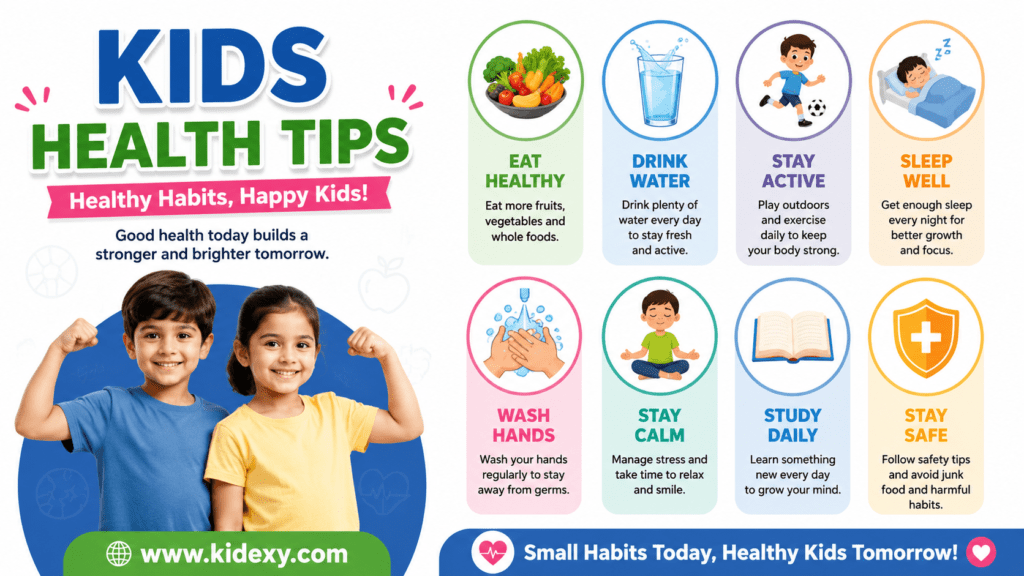
Experts emphasize that a healthy lifestyle goes beyond supplements. Regular physical activity, adequate sleep, and balanced meals all contribute to a child’s overall development. Encouraging children to eat a variety of foods helps reduce dependency on supplements in the long run.
Consistency in healthy habits is key to long-term wellness. While kids vitamins may support nutritional needs, they should always be part of a broader approach that includes diet, lifestyle, and regular medical checkups. This balanced approach ensures optimal growth and development.
Conclusion
Proper nutrition plays a vital role in shaping a child’s physical and mental development. While food remains the primary source of essential nutrients, supplements can provide additional support when needed. Parents should focus on building healthy eating habits while using supplements responsibly when necessary.
Understanding the role of kids vitamins helps parents make informed decisions about their child’s health. With the right balance of nutrition, lifestyle, and guidance, children can achieve strong immunity, better growth, and improved cognitive development throughout their formative years.
FAQs
What are kids vitamins used for
Kids vitamins are used to support growth, immunity, energy production, and overall development in children when dietary intake is insufficient.
Do all children need multivitamins
No, children who eat a balanced and nutritious diet usually do not need supplements unless recommended by a healthcare professional.
Are gummy vitamins safe for kids
Yes, they are generally safe when taken in the recommended dosage, but they should always be stored properly to prevent overconsumption.
At what age can children start taking vitamins
It depends on the product type and formulation, but many supplements are designed for toddlers, school-age children, and teenagers separately.
What happens if a child takes too many vitamins
Excess intake can lead to health risks, especially with fat-soluble vitamins, so proper dosage should always be followed.
Which vitamins are most important for children
Vitamin D, calcium, iron, vitamin C, and B-complex vitamins are among the most important for growth and development.
Can vitamins replace healthy food
No, supplements should never replace a balanced diet and should only be used to complement nutrition when necessary.
How can parents improve kids’ nutrition naturally
By encouraging balanced meals, including fruits, vegetables, proteins, and maintaining healthy lifestyle habits daily.