Introduction
Child fitness plays an important role in helping children grow into healthy, energetic, and confident individuals. In today’s digital world, many children spend long hours using phones, tablets, computers, and gaming devices. While technology can be useful for learning and entertainment, too much screen time often reduces physical movement and outdoor play. This lifestyle can negatively affect a child’s physical health, emotional balance, and overall development over time.
Parents and caregivers are now paying more attention to healthy habits because childhood obesity, stress, and low energy levels are becoming more common. Encouraging children to stay active every day is one of the best ways to support strong muscles, healthy bones, better sleep, and a positive mood. Child fitness is not only about exercise or sports. It is also about building a lifestyle filled with movement, fun activities, healthy routines, and family support.
Why Child Fitness Matters for Healthy Growth
Child fitness is essential for healthy physical development during the growing years. Active children usually have stronger bones, improved muscle strength, and better heart health compared to children who rarely exercise. Running, jumping, climbing, and playing outdoors help the body stay flexible and energetic. These activities also improve balance and coordination, which are important for daily life and sports participation.
Physical activity also supports emotional and mental health. Children who stay active often feel happier, more confident, and less stressed. Exercise helps release natural chemicals in the brain that improve mood and reduce anxiety. Child fitness can also improve focus and concentration, helping children perform better in school and social situations. Healthy movement habits formed during childhood often continue into adulthood, creating a foundation for lifelong wellness.
The Importance of Daily Physical Activity
Daily movement is important because children need regular exercise to use their energy in healthy ways. Sitting for long periods may lead to poor posture, low energy, and unhealthy weight gain. Children naturally enjoy moving, exploring, and playing, so parents should encourage these activities whenever possible. Even simple games like tag, hide and seek, or dancing around the house can make a positive difference.
Experts recommend that children get at least sixty minutes of physical activity each day. This activity does not need to happen all at once. It can be divided into smaller periods throughout the day. Walking to school, riding a bike, playing at the park, or helping with household tasks all contribute to child fitness. Consistent daily movement keeps children physically active while making exercise feel natural and enjoyable.
Benefits of Active Play for Children
Active play helps children develop healthy bodies while also improving creativity and social skills. Outdoor games and imaginative play encourage children to think independently, solve problems, and communicate with others. Activities such as building obstacle courses, pretending to be superheroes, or playing sports teach teamwork and leadership skills in fun ways.
Children who participate in active play are also more likely to maintain a healthy weight and strong immune system. Regular movement supports blood circulation and improves sleep quality, allowing children to wake up refreshed and ready to learn. Child fitness through active play also reduces the risk of long-term health conditions such as diabetes, heart disease, and obesity later in life.
How Exercise Supports Mental Health
Exercise is not only beneficial for the body but also for the mind. Many children experience stress from schoolwork, social pressures, or busy schedules. Physical activity gives children a healthy outlet to release tension and improve emotional balance. Running, swimming, dancing, or participating in sports can help children feel calmer and more relaxed after a stressful day.
Regular exercise can also improve self-esteem and confidence. When children learn new skills, complete physical challenges, or achieve goals, they develop a sense of accomplishment. Child fitness encourages positive thinking and emotional strength, helping children become more resilient in difficult situations. Group activities and sports also create opportunities for friendships and social support.
Fun Outdoor Activities for Child Fitness
Outdoor activities are one of the best ways to improve child fitness while allowing children to enjoy fresh air and sunshine. Running games, cycling, jumping rope, and playing soccer are excellent activities that strengthen muscles and improve endurance. Parks and playgrounds provide children with opportunities to climb, swing, and explore, helping them stay active naturally.
Nature walks and family hikes are also wonderful ways to encourage movement. Exploring different environments keeps children curious and excited about physical activity. Parents can create outdoor adventures by organizing scavenger hunts or simple races in the backyard. Outdoor activities allow children to disconnect from screens and connect with nature while improving their health.
Indoor Activities That Keep Kids Moving
Weather conditions or busy schedules may sometimes prevent outdoor play, but indoor activities can still support child fitness. Dancing to music, yoga sessions, and indoor obstacle courses are creative ways to keep children active at home. Parents can use pillows, chairs, and safe household items to create fun movement challenges that encourage jumping, crawling, and balancing.
Interactive fitness games are another exciting option for children. Simple exercises like jumping jacks, stretching, or follow-the-leader games can turn exercise into entertainment. Indoor movement activities are especially helpful during rainy days or winter months when outdoor play becomes limited. The key is to keep activities enjoyable so children stay motivated and excited to participate.
Best Sports for Healthy Children
Sports offer excellent physical and social benefits for growing children. Soccer, basketball, swimming, martial arts, and gymnastics are popular activities that support child fitness while teaching discipline and teamwork. Participating in sports helps children improve strength, coordination, and flexibility while developing confidence through practice and achievement.
Team sports also teach valuable life lessons such as communication, patience, and responsibility. Children learn how to cooperate with others, follow rules, and respect teammates and coaches. Individual sports like swimming or martial arts can help shy children build self-confidence while encouraging independence. Choosing a sport that matches a child’s interests increases the likelihood of long-term participation and enjoyment.
Creating Healthy Fitness Habits at Home
Parents play an important role in helping children develop healthy routines. When families participate in physical activities together, children are more likely to stay active consistently. Family walks after dinner, weekend bike rides, or home workout sessions can turn exercise into quality bonding time. Children often copy the habits they see in adults, so positive examples matter greatly.
Creating a regular routine also helps children understand the importance of daily movement. Setting specific times for outdoor play or physical activities makes exercise part of everyday life. Child fitness becomes easier when movement is viewed as fun rather than a chore. Simple rewards, encouragement, and praise can motivate children to continue healthy habits with enthusiasm.
Healthy Eating and Child Fitness
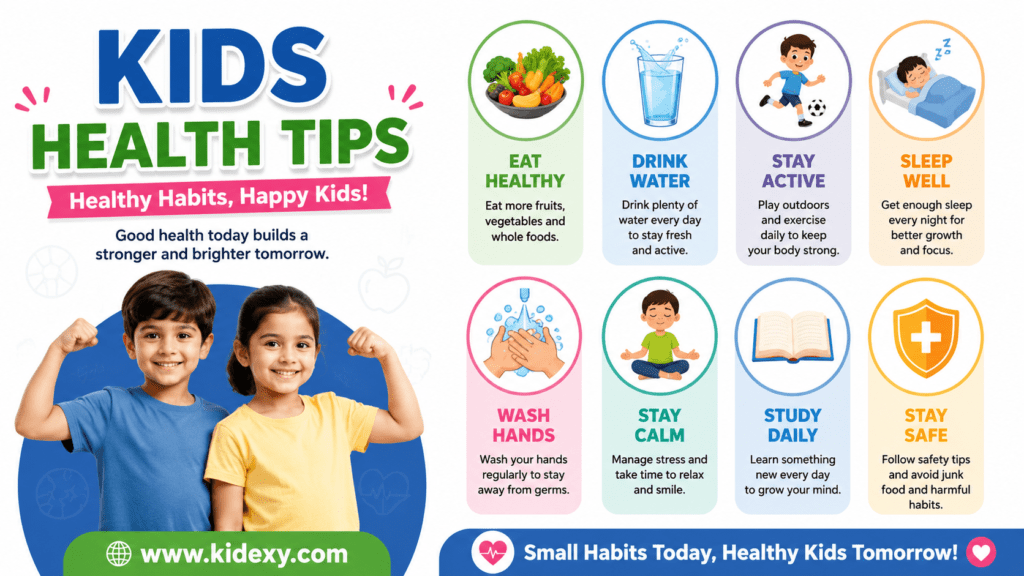
Nutrition and exercise work together to support healthy growth and development. Active children need balanced meals filled with vitamins, minerals, proteins, and healthy carbohydrates. Fresh fruits, vegetables, whole grains, dairy products, and lean proteins provide the energy children need for physical activities and mental focus.
Sugary snacks and processed foods should be limited because they can reduce energy levels and contribute to unhealthy weight gain. Drinking enough water is also important for staying hydrated during physical activity. Parents can encourage healthy eating by preparing colorful meals, offering nutritious snacks, and involving children in meal preparation. Good nutrition supports child fitness by fueling the body for active play and exercise.
The Role of Sleep in Child Fitness
Sleep is an important part of maintaining a healthy lifestyle for children. During sleep, the body repairs muscles, restores energy, and supports growth. Children who do not get enough sleep may feel tired, irritable, or less interested in physical activities. Poor sleep can also affect concentration and emotional health.
Creating a consistent bedtime routine can improve sleep quality and overall well-being. Limiting screen time before bed, keeping bedrooms quiet, and encouraging relaxing nighttime habits can help children sleep better. Child fitness is more effective when combined with proper rest because active children need time to recover and recharge for the next day’s activities.
Limiting Screen Time for Better Health
Technology is a major part of modern life, but too much screen time can reduce physical activity and harm health. Many children spend hours watching videos, playing games, or using social media instead of moving their bodies. This lifestyle may lead to weight gain, posture problems, and reduced social interaction over time.
Parents can create healthier routines by setting screen time limits and encouraging active alternatives. Family game nights, outdoor adventures, or creative indoor activities can replace excessive digital entertainment. Child fitness improves when children have more opportunities to move, explore, and engage in real-world experiences instead of sitting for long periods.
Encouraging Children to Stay Motivated
Keeping children motivated is important for maintaining healthy habits. Children are more likely to enjoy physical activity when it feels exciting and rewarding. Parents can introduce variety by changing activities regularly and allowing children to choose their favorite exercises or sports. Positive encouragement builds confidence and keeps children interested.
Celebrating small achievements can also motivate children to continue improving. Praise for effort, participation, and progress is often more effective than focusing only on winning or performance. Child fitness should feel enjoyable rather than stressful. Creating a supportive environment helps children build positive relationships with exercise and healthy living.
Fitness Activities for Different Age Groups
Different age groups require different types of physical activities. Toddlers benefit from simple movement games that improve coordination and balance. Activities like dancing, crawling, and playing with balls encourage healthy development during early childhood. Preschool children enjoy imaginative games that involve running, jumping, and climbing.
Older children and teenagers may prefer organized sports, cycling, swimming, or fitness classes. As children grow, they develop stronger muscles and better coordination, allowing them to participate in more challenging activities. Child fitness plans should match the child’s age, interests, and physical abilities to ensure safety and enjoyment.
Common Mistakes Parents Should Avoid
Some parents unintentionally place too much pressure on children to perform well in sports or exercise activities. Overtraining can lead to stress, exhaustion, and even injuries. Children should be encouraged to enjoy movement rather than feel forced to compete constantly. Balance is important for maintaining a healthy relationship with physical activity.
Another common mistake is comparing children to others. Every child develops at a different pace and has unique strengths and interests. Encouragement and patience help children feel supported and confident. Child fitness should focus on personal growth, health, and enjoyment instead of unrealistic expectations or competition.
Building Lifelong Healthy Habits
Healthy habits developed during childhood often continue into adulthood. Teaching children the importance of regular movement, healthy eating, and proper rest creates a strong foundation for future well-being. When children grow up valuing exercise and self-care, they are more likely to maintain healthy lifestyles later in life.
Parents, schools, and communities all play a role in supporting active lifestyles for children. Safe playgrounds, sports programs, and family-friendly fitness activities encourage children to stay engaged and healthy. Child fitness is not a short-term goal but a lifelong investment in physical health, emotional strength, and happiness.
Conclusion
Child fitness is one of the most important parts of healthy childhood development. Regular physical activity supports strong muscles, healthy bones, emotional balance, and better sleep. Children who stay active often feel happier, more confident, and more energetic throughout their daily lives. Encouraging movement at an early age helps create positive habits that can last for many years.
Parents can make a big difference by creating supportive environments filled with fun activities, healthy meals, and daily opportunities for movement. Whether children enjoy sports, outdoor adventures, dancing, or indoor games, the goal is to make physical activity enjoyable and consistent. Child fitness is not about perfection or competition. It is about helping children grow into healthy, active, and confident individuals.
FAQs
How much physical activity does a child need daily?
Most children should get at least sixty minutes of physical activity each day. This can include running, playing sports, cycling, dancing, or other active games that keep the body moving and healthy.
Why is child fitness important?
Child fitness supports healthy growth, strong bones, better heart health, emotional balance, and improved confidence. Regular exercise also helps children sleep better and maintain a healthy weight.
What are the best indoor activities for children?
Indoor activities such as dancing, yoga, obstacle courses, stretching exercises, and fitness games are excellent ways to keep children active when outdoor play is not possible.
How can parents encourage children to exercise?
Parents can encourage exercise by joining activities with their children, limiting screen time, offering praise, and making physical activity fun rather than stressful or forced.
What foods support child fitness?
Healthy foods such as fruits, vegetables, whole grains, dairy products, lean proteins, and nuts provide important nutrients that support energy, growth, and physical activity.
Can exercise improve a child’s mental health?
Yes, regular exercise can reduce stress, improve mood, increase confidence, and help children focus better in school and social situations.
How does screen time affect child fitness?
Too much screen time can reduce physical activity, increase unhealthy weight gain, and limit social interaction. Balancing screen use with active play is important for overall health.
What sports are best for children?
Sports like soccer, swimming, basketball, gymnastics, and martial arts are excellent choices because they improve strength, coordination, teamwork, and confidence.
At what age should children start exercising?
Children can begin active play and simple movement activities during toddler years. Physical activity should grow naturally with age and match the child’s abilities and interests.
How can families make fitness fun?
Families can make fitness enjoyable by playing games, going on walks, riding bikes, dancing together, and participating in outdoor adventures that encourage movement and bonding.