Introduction
Every parent wants to see their child succeed in school, communicate confidently, and complete tasks without constant reminders. However, many children struggle to stay attentive for long periods because modern life is filled with distractions. Television, mobile devices, noisy surroundings, unhealthy eating habits, and irregular routines can affect a child’s ability to concentrate properly during learning activities and daily responsibilities.
Learning how to increase focus in children naturally has become an important topic for parents and teachers around the world. Natural methods help children build healthy attention habits without creating pressure or stress. With the right lifestyle, supportive environment, nutritious meals, and engaging activities, children can slowly improve their concentration and become more confident learners both inside and outside the classroom.
Understanding Why Children Lose Focus
Children are naturally energetic and curious, which means their minds quickly move from one thing to another. This behavior is normal during early development, but some children experience more difficulty focusing than others. Short attention spans can affect homework, reading habits, communication skills, and emotional balance. Understanding the root causes of distraction is the first step toward helping children stay mentally engaged.
Several everyday factors influence a child’s ability to concentrate. Poor sleep, too much sugar, excessive screen exposure, emotional stress, and lack of physical movement can all reduce attention span. Parents who understand these causes can make small lifestyle adjustments that create long-term improvements. Instead of forcing concentration, it becomes easier to guide children toward naturally healthy focus habits.
The Importance of Healthy Daily Routines
Children thrive when they follow predictable routines throughout the day. Regular schedules help the brain understand when it is time to study, relax, play, and sleep. A stable routine reduces confusion and mental overload, allowing children to feel calmer and more organized. When daily activities happen at consistent times, children often become more cooperative and mentally prepared for learning.
Morning routines are especially important for improving concentration. Waking up early, eating a healthy breakfast, and preparing calmly for school can positively affect mood and mental performance. Evening routines also matter because children need enough relaxation before bedtime. Families that maintain structured daily habits often notice better emotional balance, improved behavior, and stronger attention skills in their children.
Creating a Quiet and Comfortable Study Space
The environment around a child can strongly influence concentration levels. A noisy room filled with distractions makes it difficult for children to complete homework or absorb information. Creating a calm and organized learning space helps children associate that area with focus and productivity. Even a small corner of the house can become an effective study space when arranged properly.
Parents should remove unnecessary distractions from the study area whenever possible. Toys, loud music, televisions, and mobile phones can interrupt mental concentration within seconds. Good lighting, comfortable seating, and clean surroundings encourage children to remain seated longer and work more efficiently. A peaceful learning environment supports natural attention growth without creating unnecessary stress or pressure.
The Connection Between Nutrition and Concentration
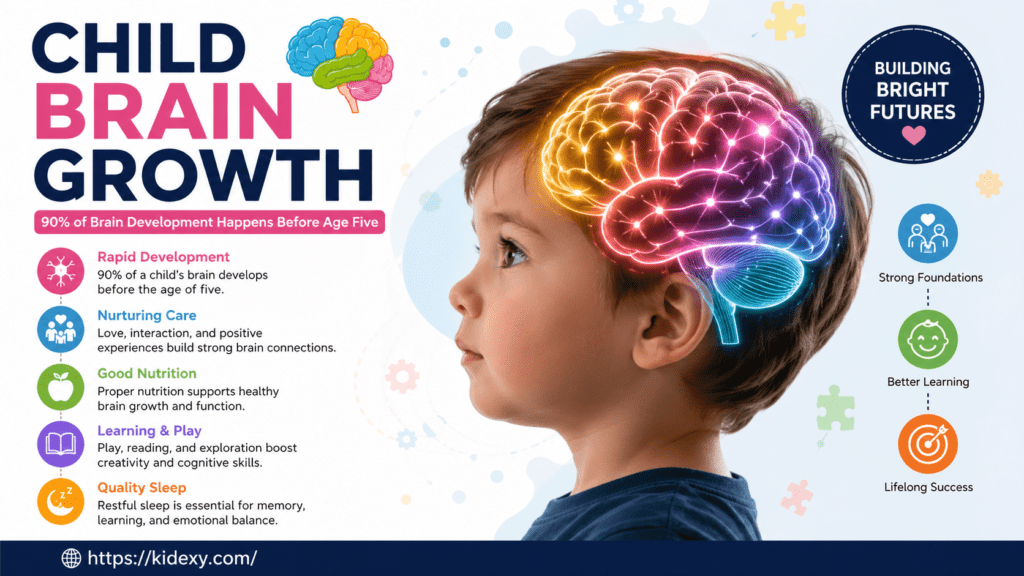
Healthy eating habits play a major role in brain development and mental performance. Children need balanced meals filled with vitamins, proteins, healthy fats, and minerals to support memory and focus. When children eat excessive sugary snacks or processed foods, their energy levels rise quickly and crash soon afterward. This pattern often causes restlessness, mood swings, and poor concentration.
Foods rich in omega-three fatty acids, such as fish, walnuts, and seeds, can support healthy brain function. Fresh fruits, vegetables, eggs, yogurt, and whole grains also provide important nutrients that help maintain steady energy throughout the day. Parents trying to learn how to increase focus in children naturally should pay close attention to nutrition because healthy food choices directly influence attention span and emotional stability.
Why Sleep Matters for Mental Focus
Sleep is one of the most powerful natural tools for improving concentration in children. During sleep, the brain processes information, strengthens memory, and restores mental energy. Children who do not get enough rest often become irritable, forgetful, and easily distracted during schoolwork or conversations. Even intelligent children struggle academically when sleep quality is poor.
Creating healthy bedtime habits can dramatically improve focus and emotional control. Children should avoid screens before sleeping because bright light affects the brain’s natural sleep cycle. Reading books, listening to calming stories, or practicing quiet relaxation activities before bedtime can help children sleep more peacefully. Consistent sleep schedules support stronger concentration and healthier mental development over time.
Limiting Screen Time for Better Attention
Modern technology provides entertainment and educational opportunities, but excessive screen use can reduce attention span in children. Fast-moving videos, games, and constant notifications overstimulate the brain and make quiet activities seem less interesting. Children who spend many hours on screens may struggle to remain patient during homework, reading sessions, or classroom learning.
Parents can improve concentration by setting healthy limits on digital devices. Encouraging outdoor play, family conversations, creative hobbies, and reading activities helps children reconnect with slower and more meaningful experiences. Technology should support learning instead of replacing physical movement and personal interaction. Balanced screen habits can greatly improve emotional control and mental attention in growing children.
Encouraging Physical Activity Every Day
Exercise is not only important for physical health but also for brain performance. Physical movement increases blood flow to the brain and helps release stress that may interfere with concentration. Children who spend long hours sitting indoors often become restless and mentally tired. Daily movement helps refresh the mind and improve attention during study sessions.
Outdoor games, cycling, running, dancing, and sports activities are excellent ways to strengthen concentration naturally. Even short physical breaks between homework tasks can improve focus and reduce frustration. Parents do not need expensive programs or equipment because simple active play is often enough to support healthier mental energy and stronger emotional balance in children.
Using Brain Games to Improve Attention
Children learn best when activities feel enjoyable and engaging. Brain games encourage problem-solving, memory building, and patience while helping children develop longer attention spans. Activities such as puzzles, word games, matching exercises, and building blocks challenge the brain in creative ways and make learning more exciting for young minds.
Chess, memory cards, storytelling games, and strategy-based activities also support concentration skills. These activities teach children to think carefully, follow instructions, and remain mentally involved for longer periods. Families who regularly play educational games together often notice stronger communication, improved confidence, and better focus during school-related tasks and everyday responsibilities.
The Power of Reading and Storytelling
Reading is one of the most effective natural ways to strengthen concentration in children. Listening to stories requires attention, imagination, and memory, while reading independently encourages children to remain focused for extended periods. Books also introduce children to new ideas, vocabulary, and emotions that improve overall cognitive development.
Parents can make reading enjoyable by choosing age-appropriate books and creating relaxed reading routines at home. Storytelling before bedtime helps children calm their minds while improving listening skills and emotional connection. Children who develop a love for reading often perform better academically because their brains become more comfortable with sustained mental attention and detailed thinking.
Helping Children Manage Stress Naturally
Stress and anxiety can greatly affect a child’s ability to focus. Children may become distracted when they feel pressure from schoolwork, family conflicts, or social situations. Emotional tension keeps the mind busy and makes concentration difficult. Parents sometimes overlook emotional stress because children may not openly express their feelings or worries.
Open communication and emotional support help children feel safer and calmer. Spending quality time together, listening carefully, and encouraging children to share their thoughts can reduce mental pressure. Relaxation activities such as drawing, breathing exercises, music, and quiet play also help children manage stress naturally. Calm emotions create a healthier mental environment for concentration and learning.
Teaching Children to Complete One Task at a Time
Multitasking reduces productivity even in adults, and children often struggle even more when trying to handle many activities at once. Switching constantly between homework, games, television, and conversations makes it difficult for the brain to remain focused. Children benefit greatly when they learn to finish one activity before moving to another.
Parents can guide children by breaking large tasks into smaller and simpler steps. Short and manageable goals prevent children from feeling overwhelmed or frustrated. Praising effort and progress also encourages motivation and patience. Teaching children to concentrate on one responsibility at a time helps them build discipline, organization, and stronger mental focus naturally.
The Role of Positive Reinforcement
Children respond better to encouragement than criticism. Constant scolding for mistakes may lower confidence and increase anxiety, which can reduce attention span even further. Positive reinforcement helps children feel proud of their efforts and motivates them to continue improving. Encouragement builds emotional security and creates a more enjoyable learning experience.
Simple praise, reward charts, supportive words, and celebrating small achievements can strengthen concentration habits over time. Parents should focus on progress instead of perfection because children improve gradually. When children feel emotionally supported, they become more willing to participate in learning activities and develop stronger confidence in their own abilities.
How Mindfulness Supports Better Focus
Mindfulness teaches children to pay attention to the present moment without becoming overwhelmed by distractions. Simple mindfulness activities help calm racing thoughts and improve emotional regulation. Children who practice mindfulness regularly often become more patient, relaxed, and attentive during classroom tasks and daily routines.
Breathing exercises, guided relaxation, and quiet observation activities are useful for young children. Parents can encourage mindfulness by asking children to notice sounds, colors, or breathing patterns during calm moments. These simple exercises strengthen mental awareness and teach children how to gently return their attention when distractions appear throughout the day.
Building Confidence Through Creative Activities
Creative activities allow children to express emotions while strengthening focus and patience. Drawing, painting, music, crafting, and storytelling require children to pay attention to details and remain mentally involved in a task. These activities improve concentration while also encouraging imagination and emotional development.
Children often feel relaxed and confident when they participate in creative hobbies. Creative expression reduces stress and teaches children how to complete projects step by step. Parents who support artistic activities may notice improved problem-solving abilities and longer attention spans in their children. Creative learning experiences make concentration feel enjoyable rather than forced.
Supporting Focus at School
Teachers and parents work together to support a child’s academic success. Children perform better when they receive consistent encouragement both at home and in the classroom. Parents should communicate openly with teachers about attention difficulties so they can develop supportive learning strategies together.
Simple classroom adjustments can help children focus more effectively. Seating arrangements, movement breaks, visual schedules, and shorter instructions often improve concentration. Parents can also support homework routines by creating quiet study periods and reducing interruptions at home. Consistent teamwork between home and school creates stronger learning habits and emotional stability for children.
Healthy Social Interaction and Concentration
Social development also influences a child’s ability to focus. Children who experience loneliness, bullying, or social anxiety may struggle to concentrate because emotional concerns occupy their thoughts. Positive friendships and supportive family relationships help children feel emotionally secure and mentally relaxed.
Group activities, team sports, and family discussions teach children patience, listening, and cooperation. These experiences strengthen communication skills while improving attention during conversations and shared tasks. Children who feel socially connected are often more confident learners and better able to stay engaged in school and personal activities.
Avoiding Common Parenting Mistakes
Some parents unknowingly increase distraction by creating unrealistic expectations or overly strict schedules. Children need balance between learning, rest, and recreation. Overloading children with too many lessons or activities may lead to exhaustion and reduced concentration rather than improvement.
Comparing children to siblings or classmates can also harm confidence and motivation. Every child develops differently and requires individual support. Parents should focus on encouragement, patience, and healthy habits instead of punishment or pressure. Gentle guidance creates a safer emotional environment where concentration skills can grow naturally over time.
Recognizing When Professional Help Is Needed
Although many concentration issues improve through healthy lifestyle changes, some children may require professional support. Persistent difficulty focusing, extreme impulsive behavior, severe academic struggles, or emotional problems should not be ignored. Early guidance can help children receive the support they need before challenges become more serious.
Parents should speak with healthcare professionals or educational specialists when concerns continue for a long period. Professional evaluations can identify learning difficulties, emotional concerns, or developmental conditions affecting concentration. Seeking help is not a sign of failure but a positive step toward supporting a child’s long-term growth and success.
Natural Habits That Build Lifelong Focus
Strong concentration does not develop overnight because attention skills improve gradually through consistent habits and supportive environments. Children benefit most when healthy routines become part of everyday family life. Nutritious meals, proper sleep, active play, emotional support, and structured learning all work together to strengthen mental focus naturally.
Parents who remain patient and involved often see meaningful improvement over time. Small daily efforts create lasting changes in confidence, emotional health, and academic performance. Learning how to increase focus in children naturally is not about forcing perfection but about helping children build healthy habits that support success throughout their lives.
Conclusion
Helping children improve concentration naturally requires patience, understanding, and consistency. Every child learns differently, and focus develops gradually through supportive routines and healthy lifestyle choices. Parents who encourage balanced nutrition, quality sleep, physical activity, emotional support, and reduced distractions often notice significant improvements in attention span and learning behavior over time.
The journey toward better focus should feel encouraging rather than stressful for children. Positive reinforcement, meaningful family interaction, and engaging activities create an environment where children can thrive mentally and emotionally. By using natural methods and maintaining realistic expectations, parents can help children develop stronger concentration skills that benefit them throughout school and everyday life.
FAQs
How can parents improve concentration in children naturally?
Parents can improve concentration naturally by creating healthy daily routines, limiting distractions, encouraging physical activity, providing nutritious meals, and ensuring proper sleep. Emotional support and positive reinforcement also help children feel calmer and more motivated during learning activities.
What foods help children focus better?
Foods rich in omega-three fatty acids, protein, vitamins, and minerals support brain health and concentration. Eggs, fish, yogurt, nuts, seeds, fruits, and vegetables are excellent choices. Reducing sugary snacks and processed foods can also improve attention and emotional stability.
Does too much screen time affect focus in children?
Excessive screen time may reduce attention span because fast-moving digital content overstimulates the brain. Children who spend many hours on screens may struggle with patience and sustained concentration during schoolwork or reading activities. Balanced screen habits can improve focus significantly.
Why is sleep important for children’s concentration?
Sleep allows the brain to process information, restore energy, and strengthen memory. Children who do not sleep well often become tired, irritable, and easily distracted. Consistent bedtime routines and enough sleep improve mental performance and emotional balance.
Can physical exercise improve focus in children?
Yes, regular exercise increases blood flow to the brain and reduces stress, which supports better concentration. Activities such as running, cycling, sports, dancing, and outdoor play help children release energy while improving attention and mood naturally.
Are brain games useful for improving attention span?
Brain games encourage problem-solving, memory building, and sustained mental engagement. Activities like puzzles, chess, memory cards, and strategy games help children practice concentration skills in a fun and enjoyable way.
How can schools help children stay focused?
Schools can support focus by creating organized classrooms, allowing movement breaks, reducing unnecessary distractions, and using engaging teaching methods. Communication between teachers and parents also helps children receive consistent support at home and school.
What are the signs of poor concentration in children?
Common signs include forgetfulness, unfinished tasks, restlessness, difficulty following instructions, careless mistakes, and frequent distraction during learning activities. Persistent attention problems may require professional guidance or lifestyle adjustments.
Can mindfulness help children focus better?
Mindfulness exercises teach children how to calm their thoughts and pay attention to the present moment. Breathing activities, guided relaxation, and quiet observation practices can improve emotional regulation and strengthen concentration over time.
When should parents seek professional help for focus issues?
Parents should seek professional advice when concentration problems continue for a long time, affect school performance, or create emotional and behavioral challenges. Healthcare professionals and educational specialists can identify underlying issues and recommend helpful solutions.