Introduction
Creative thinking plays an important role in the growth and development of children. In today’s fast-changing world, children need more than academic knowledge to succeed. They need imagination, innovation, communication abilities, and problem-solving skills that help them adapt to different situations. Creative thinking activities for kids encourage children to explore ideas, ask questions, and develop unique solutions in a fun and engaging way.
Parents and teachers are now realizing that creativity is not only connected to art or music. It is a valuable life skill that supports emotional growth, critical thinking, and confidence. Children who participate in creative activities often become more curious, independent, and expressive. These activities allow kids to think beyond traditional methods and improve their ability to solve everyday challenges with confidence and originality.
What Are Creative Thinking Activities for Kids
Creative thinking activities for kids are exercises, games, and learning experiences that encourage children to use their imagination and develop original ideas. These activities help children think differently and explore multiple solutions instead of relying on one fixed answer. They promote innovation, curiosity, and open-minded thinking while making learning enjoyable and interactive.
Creative thinking can include storytelling, drawing, brainstorming, role-playing, puzzles, and problem-solving tasks. Such activities allow children to express themselves freely without fear of making mistakes. By engaging in creative thinking exercises, kids improve their ability to analyze situations, communicate effectively, and build confidence in their own ideas and abilities.
Why Creative Thinking Is Important for Children
Children naturally possess curiosity and imagination, but these qualities must be nurtured regularly. Creative thinking helps children become independent thinkers who are capable of adapting to changing environments. It allows them to explore different perspectives, develop emotional intelligence, and gain confidence when expressing their thoughts and feelings.
In addition to emotional growth, creativity also improves academic performance. Children who practice creative thinking often perform better in subjects like science, language arts, and mathematics because they learn how to approach problems from different angles. Creative learning also increases focus and motivation, making educational experiences more meaningful and enjoyable.
Benefits of Creative Thinking Activities for Kids
Creative thinking activities for kids offer many benefits that support mental, emotional, and social development. One major benefit is improved problem-solving ability. When children are encouraged to think creatively, they learn how to analyze situations and find effective solutions independently. This skill becomes valuable throughout school life and adulthood.
Another important benefit is improved communication and confidence. Creative activities allow children to express ideas freely through storytelling, art, games, and collaboration. These experiences help kids become better listeners and speakers while strengthening teamwork and emotional understanding. Children also become more comfortable sharing their thoughts without fear of criticism.
Brainstorming Activities for Young Minds
Brainstorming activities are among the most effective ways to improve creativity in children. These activities encourage kids to think quickly and generate multiple ideas without worrying about right or wrong answers. Simple games such as asking “What if animals could talk?” help children use imagination and build original thought processes naturally.
Parents and teachers can organize brainstorming sessions during classroom lessons or family time at home. Children can be asked to invent imaginary worlds, create unusual inventions, or solve funny challenges creatively. Such exercises improve flexibility in thinking and help children become more confident in sharing ideas openly and enthusiastically.
Storytelling and Imaginative Play
Storytelling is a powerful method for improving creative thinking skills in children. When kids create stories, they learn how to organize thoughts, develop characters, and build imaginative situations. This activity strengthens vocabulary, communication skills, and emotional understanding while allowing children to explore their creativity without limits.
Imaginative play also helps children understand different roles and situations. Pretending to be doctors, astronauts, teachers, or explorers allows children to think creatively and interact socially. These role-playing games support emotional growth while encouraging problem-solving and teamwork. Storytelling and imaginative play together create a fun learning experience for children of all ages.
Art and Craft Activities
Art and craft activities are excellent for encouraging creative expression in children. Drawing, painting, paper crafting, and clay modeling allow kids to experiment with colors, shapes, and designs. These activities improve imagination while also strengthening hand-eye coordination and fine motor skills through enjoyable and meaningful experiences.
Children who participate in creative art projects often become more patient and focused. Art encourages self-expression and gives children the freedom to communicate feelings visually. Parents and teachers can provide simple materials like paper, crayons, glue, and recycled items to inspire endless creative possibilities at home or in the classroom.
Puzzle and Problem-Solving Games
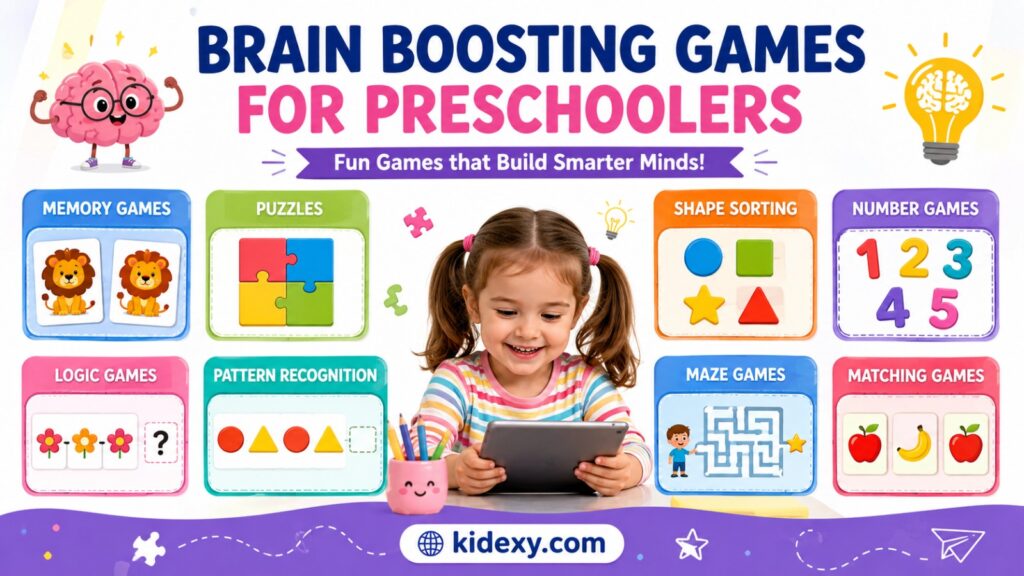
Puzzles and problem-solving games help children develop logical thinking and creativity together. Activities such as crossword puzzles, treasure hunts, building challenges, and brain teasers encourage children to think carefully and find solutions independently. These games improve concentration while making learning more exciting and rewarding.
Problem-solving tasks also teach children perseverance and patience. Instead of giving up easily, children learn how to approach challenges from different perspectives. Interactive games that involve teamwork encourage collaboration and communication while helping children understand that mistakes are part of the learning process and creativity journey.
Music and Dance Activities
Music and dance activities allow children to express emotions and creativity through movement and sound. Singing songs, playing musical instruments, and creating dance routines encourage imagination while improving coordination and memory. These activities help children feel relaxed and confident while supporting overall emotional and mental development.
Creative movement activities also improve social interaction and teamwork. Group dance games and musical storytelling exercises encourage children to cooperate with others while expressing themselves freely. Music stimulates different areas of the brain, helping children improve concentration, communication, and emotional awareness in an enjoyable and energetic environment.
STEM Challenges for Creative Development
STEM activities combine science, technology, engineering, and mathematics with creativity. Building towers from blocks, designing paper bridges, or creating simple science experiments encourages children to think critically and solve problems creatively. These activities help children understand how imagination can be applied to real-world challenges.
Children who participate in STEM challenges often become more curious about learning and innovation. Such projects encourage experimentation and exploration while teaching valuable life skills. Parents and educators can use affordable household materials to create engaging STEM activities that inspire creativity and independent thinking in children.
Creative Thinking Activities for Preschoolers
Preschool children learn best through play and exploration. Simple creative activities like finger painting, building blocks, sensory bins, and shape games help young children develop imagination naturally. These activities encourage curiosity and allow preschoolers to experiment with colors, textures, sounds, and movements in a safe environment.
At this age, creativity should focus on fun rather than perfection. Preschoolers need opportunities to explore ideas freely without strict rules or expectations. Encouraging children to ask questions, create stories, and interact with imaginative games supports healthy brain development and builds confidence from an early age.
Creative Activities for Elementary School Children
Elementary school children benefit greatly from structured yet flexible creative exercises. Activities such as storytelling competitions, science experiments, creative writing prompts, and group art projects help children improve communication and teamwork while developing independent thinking abilities.
This age group enjoys challenges that involve problem-solving and imagination together. Teachers and parents can introduce activities that encourage children to invent products, solve mysteries, or design imaginative worlds. Such experiences make learning enjoyable while strengthening academic and social skills effectively.
Creative Thinking Activities for Older Kids
Older children and preteens require more advanced creative challenges that stimulate independent thought and innovation. Activities such as coding projects, filmmaking, debate games, and design challenges encourage children to think deeply and express ideas confidently while preparing them for future educational and career opportunities.
Creative writing exercises and entrepreneurship projects also help older kids develop leadership and communication abilities. Encouraging children to explore personal interests through creative tasks builds confidence and motivation. These activities help preteens become adaptable thinkers who are ready to handle complex situations creatively.
Creative Thinking Activities for Kids at Home
Home is one of the best places for nurturing creativity in children. Parents can encourage creative thinking by organizing storytelling nights, cooking challenges, DIY craft projects, and family brainstorming games. These activities strengthen family relationships while giving children opportunities to explore imagination in comfortable surroundings.
Simple household items can become powerful learning tools. Empty boxes, paper rolls, fabric pieces, and recycled materials can inspire children to create robots, castles, or imaginative inventions. Limiting screen time and encouraging hands-on activities help children stay engaged and mentally active while developing important life skills.
Classroom Creativity Activities
Classrooms that encourage creativity often produce more engaged and motivated students. Teachers can introduce interactive games, collaborative projects, and open-ended discussions that allow students to express ideas freely. Creative classrooms promote curiosity and make learning more enjoyable for children with different learning styles.
Group activities such as drama performances, brainstorming sessions, and classroom storytelling exercises encourage teamwork and communication. Students become more confident when their ideas are valued and respected. Teachers who create supportive environments help children develop creativity alongside academic success.
Imagination Games for Kids
Imagination games are excellent for helping children explore new ideas and scenarios. Activities such as pretending to travel to space, inventing magical creatures, or creating fantasy adventures encourage children to think creatively while improving storytelling and communication skills naturally.
These games also strengthen emotional understanding because children learn to express feelings and understand different perspectives through imaginative situations. Imagination-based activities help children build confidence while developing flexibility in thinking and problem-solving abilities that support long-term personal growth.
Outdoor Creative Activities
Outdoor activities provide children with opportunities to connect creativity with nature and physical movement. Scavenger hunts, nature art projects, obstacle courses, and outdoor storytelling games encourage children to use imagination while staying physically active and healthy.
Exploring parks, gardens, and natural environments inspires curiosity and observation skills. Outdoor creative activities reduce stress while helping children become more aware of the world around them. Nature-based learning experiences encourage children to ask questions and discover new ideas through hands-on exploration.
Digital Creativity and Technology
Technology can support creativity when used in balanced and meaningful ways. Educational apps, animation tools, music creation software, and beginner coding platforms allow children to explore innovation through digital experiences. These tools encourage problem-solving and creative expression while introducing valuable technical skills.
However, screen time should always be balanced with physical and social activities. Parents and educators should guide children toward interactive and educational digital experiences instead of passive entertainment. Technology becomes more beneficial when children use it to create, design, and communicate ideas creatively.
Encouraging Creativity Through Reading
Reading is closely connected to creative thinking because books introduce children to new ideas, characters, and experiences. Stories encourage imagination while improving vocabulary and comprehension skills. Children who read regularly often become better storytellers and more creative thinkers.
Parents can encourage creativity by discussing stories and asking children imaginative questions about characters and events. Activities such as rewriting endings or inventing new characters help children engage deeply with reading material while strengthening analytical and imaginative abilities simultaneously.
Common Mistakes That Limit Creativity
Many adults unintentionally limit creativity by focusing too much on perfection and correct answers. Constant criticism, strict rules, and pressure to perform can discourage children from exploring ideas freely. Creativity thrives in environments where children feel safe making mistakes and expressing unique opinions.
Another common mistake is overscheduling children with too many structured activities. Kids need free time to imagine, experiment, and play independently. Allowing children to experience boredom occasionally can actually inspire creativity because it encourages them to invent their own games and activities.
Tips for Parents and Teachers
Parents and teachers play an essential role in encouraging creative thinking activities for kids. Providing positive feedback and celebrating effort instead of perfection helps children feel confident and motivated. Adults should encourage curiosity by asking open-ended questions and listening carefully to children’s ideas.
Creating a supportive environment is equally important. Children need access to books, art supplies, games, and opportunities for imaginative play. Encouraging exploration and independent thinking helps children develop creativity naturally while building important emotional and cognitive skills for lifelong success.
How Creativity Supports Emotional Development
Creative activities allow children to express emotions in healthy and meaningful ways. Through art, storytelling, music, and role-playing, children can communicate feelings that may be difficult to explain verbally. This emotional expression reduces stress and improves self-awareness while supporting mental well-being.
Children who engage in creative experiences often develop stronger emotional resilience. They become more comfortable handling challenges and expressing themselves confidently. Creativity also encourages empathy because children learn to understand different emotions and perspectives through imaginative activities and collaborative experiences.
Long-Term Benefits of Creative Thinking
Creative thinking skills continue to benefit children throughout life. Adults who developed creativity during childhood often become better problem-solvers, communicators, and innovators. These individuals are usually more adaptable and capable of handling challenges in education, careers, and personal relationships.
Creativity also supports lifelong learning and personal growth. Children who are encouraged to think creatively become more curious and motivated to explore new ideas. This mindset helps them remain flexible and confident in a rapidly changing world where innovation and adaptability are highly valuable qualities.
Conclusion
Creative thinking activities for kids are essential for developing imagination, confidence, communication abilities, and problem-solving skills. These activities encourage children to explore ideas freely while making learning more enjoyable and meaningful. Whether through storytelling, art, STEM projects, or imaginative play, creativity helps children become independent and adaptable thinkers.
Parents and teachers should make creativity a regular part of everyday life by providing opportunities for exploration and self-expression. Encouraging curiosity, supporting imagination, and creating positive learning environments help children build skills that will benefit them for years to come. Creativity is not only a talent but also a valuable life skill that supports success and happiness.
FAQs
What are creative thinking activities for kids?
Creative thinking activities for kids are games, exercises, and projects that encourage imagination, innovation, and problem-solving. These activities help children explore ideas freely while improving communication and critical thinking abilities.
Why are creative thinking activities important for children?
Creative activities support emotional, social, and cognitive development. They help children build confidence, improve problem-solving skills, and develop the ability to think independently in different situations.
What are some easy creative activities for kids at home?
Simple activities include storytelling, drawing, DIY crafts, scavenger hunts, role-playing games, cooking challenges, and building projects using household materials or recycled items.
How do creative thinking activities improve problem-solving skills?
Creative activities encourage children to think from different perspectives and explore multiple solutions. This improves flexibility in thinking and helps children approach challenges with confidence and originality.
Can creative thinking activities help with school performance?
Yes, creativity improves focus, communication, and critical thinking skills. Children who participate in creative learning activities often perform better academically and become more engaged in classroom lessons.
What age should children start creative thinking activities?
Children can begin creative activities at a very young age through play, storytelling, art, and sensory experiences. Creativity develops naturally when children are encouraged to explore ideas freely.
Are digital tools useful for creativity?
Educational apps, coding games, animation tools, and music software can support creativity when used in moderation. Interactive digital activities help children create and innovate instead of only consuming content.
How can teachers encourage creativity in classrooms?
Teachers can encourage creativity through group discussions, open-ended questions, storytelling activities, collaborative projects, and supportive learning environments that value student ideas and imagination.
What are the best outdoor creative activities for kids?
Outdoor activities such as scavenger hunts, nature art projects, obstacle courses, gardening, and imaginative adventure games help children combine creativity with physical activity and exploration.
How often should kids participate in creative activities?
Children should engage in creative activities regularly as part of daily learning and play. Consistent opportunities for creativity help children develop imagination, confidence, and problem-solving skills naturally over time.