Introduction
Parents often notice their children struggling to remember simple things like homework assignments, daily routines, or even where they placed their favorite toys. These moments can feel frustrating for both kids and adults, yet they open a wonderful opportunity to support natural cognitive growth through enjoyable methods. Child memory improvement activities turn everyday play into powerful brain training sessions that strengthen recall, focus, and learning abilities without pressure or drills.
When children engage regularly with the right kind of playful exercises, their brains build stronger neural connections that support better academic performance and everyday confidence. These approaches rely on the natural curiosity and energy of childhood rather than forced repetition. In this comprehensive guide, you will discover practical strategies that fit seamlessly into busy family schedules while delivering measurable results over time. The beauty lies in how these activities feel like pure fun, allowing children to develop essential mental skills while laughing and bonding with family members.
Understanding How Children’s Memory Works
Memory in children functions as a complex system with several interconnected parts that develop at different rates. Working memory acts like a mental workspace where kids hold and manipulate information for short periods, such as following multi-step instructions or solving puzzles. Short-term memory captures immediate experiences, while long-term memory stores knowledge for future use. Visual memory helps children remember images and spatial arrangements, and auditory memory supports recalling spoken words, songs, and stories.
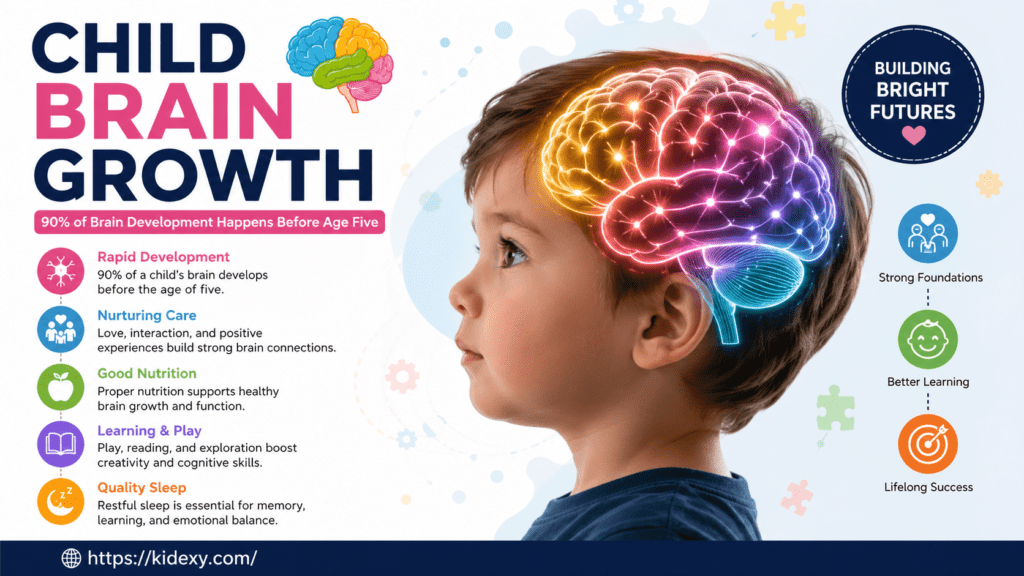
The early years represent a golden window for brain development because of high neuroplasticity. During this phase, repeated positive experiences literally reshape neural pathways, making learning more efficient. Many common challenges like forgetfulness or difficulty concentrating stem from insufficient sleep, excessive screen exposure, poor nutrition, or lack of physical movement. Understanding these factors helps parents create environments where natural memory abilities can flourish without unnecessary stress or unrealistic expectations.
Science-Backed Benefits of Memory Improvement Activities
Engaging children in targeted play-based exercises produces benefits that extend far beyond simple recall. Research from leading child development institutions shows improvements in attention span, problem-solving capabilities, and overall cognitive flexibility. These gains often translate into better classroom performance, stronger reading comprehension, and enhanced mathematical reasoning. Children who regularly participate also demonstrate greater emotional resilience because they feel more capable and in control of their learning processes.
The advantages reach into social and emotional domains as well. Improved memory supports better peer interactions, richer storytelling abilities, and deeper appreciation of experiences. Long-term studies indicate that early investment in cognitive play creates foundations for lifelong learning success. Parents frequently report increased confidence in their children, reduced anxiety around schoolwork, and more harmonious family dynamics when consistent, joyful activities become part of daily routines.
15 Fun and Effective Child Memory Improvement Activities
Visual and Observation Games
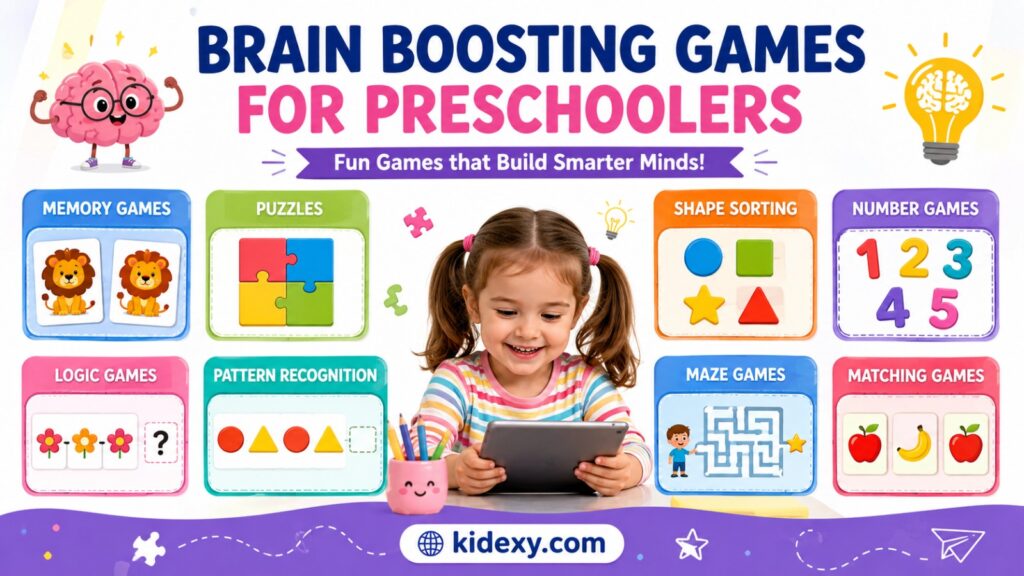
The Tray Game stands among the most beloved and effective approaches for sharpening observation skills. Place ten to fifteen common household objects on a tray and allow your child one minute to study them carefully. Cover the tray afterward and challenge them to name as many items as possible. This activity strengthens visual memory while encouraging careful attention to detail. Start with fewer objects for younger children and gradually increase the challenge as their abilities grow.
Variations of this game keep interest alive across many weeks. You might use themed collections such as kitchen utensils, nature items from the garden, or colorful art supplies. Each round builds upon previous success, creating natural motivation through visible progress. Children particularly enjoy competing against their own earlier scores, turning personal improvement into an exciting personal challenge rather than comparison with others.
Spot the Difference pictures provide another engaging visual training method. Present two seemingly identical images and ask children to find all the subtle changes. These puzzles train the brain to notice fine details while improving concentration and patience. Many free printable versions exist online, or you can create simple versions using household items and photographs. Regular practice helps children transfer these careful observation skills to their schoolwork and daily life.
Memory matching card games remain timeless favorites that deliver excellent results. Classic pairs games using pictures or words strengthen visual recognition and strategic thinking. You can purchase ready-made sets or create personalized versions featuring family photos, favorite characters, or educational concepts. Playing together creates wonderful opportunities for conversation and laughter while building important cognitive skills.
Auditory and Listening Games
Story Chain creates magical moments where families build collaborative tales one sentence at a time. The first person begins with an opening line, and each following player must repeat everything said before while adding their own contribution. This activity dramatically improves listening skills, sequential memory, and creative thinking simultaneously. Children love the silly directions stories often take, making the learning process feel purely entertaining.
Simon Says remains a playground classic that effectively trains auditory processing and impulse control. The leader gives instructions prefixed with “Simon says,” and players should only follow those commands. This game enhances working memory as children must remember and apply rules while moving their bodies. It works beautifully for different age groups and can be adapted for indoor or outdoor settings with endless creative variations.
Rhythm and sound repetition games offer another layer of auditory training. Clap simple patterns and ask children to copy them exactly, then make the sequences progressively longer and more complex. You can incorporate favorite songs or create original beats using household items as percussion instruments. These activities strengthen auditory memory pathways while providing excellent opportunities for physical expression and joy.
Verbal and Language-Based Games
I Went to the Market represents a wonderful verbal memory challenge that grows with your child. Players take turns adding items to an imaginary shopping list while recalling everything mentioned previously. This game builds both memory capacity and vocabulary while encouraging careful listening. The humorous combinations that emerge keep everyone entertained and engaged throughout multiple rounds.
Rhymes and songs transform ordinary information into memorable patterns that the brain retains effortlessly. Turn daily routines or lists of facts into short rhythmic verses or familiar melodies. Children naturally absorb and recall information presented musically, which explains why many adults still remember childhood jingles. This technique works exceptionally well for learning spellings, multiplication tables, or important safety rules.
Physical and Movement-Based Games
Brain gym exercises combine physical movement with cognitive challenges in delightful ways. Simple cross-body movements paired with memory tasks activate both brain hemispheres simultaneously. Activities like touching opposite elbow to knee while reciting sequences help establish strong mind-body connections that support overall learning readiness. These exercises require minimal equipment and can be done almost anywhere.
Obstacle course recall games merge physical activity with memory demands beautifully. Set up a simple course using cushions, chairs, and toys, then ask children to memorize the sequence of movements. After completing the course once, they must remember and repeat the exact pattern. This approach develops multiple cognitive skills while satisfying children’s natural need for movement and exploration.
Creative and Hands-On Games
Drawing from memory encourages children to internalize visual information deeply before reproducing it on paper. Show an interesting picture for a limited time, then hide it and ask them to recreate what they remember. The process strengthens visual encoding and attention to detail while celebrating artistic expression. Each attempt reveals growth and provides opportunities for gentle guidance and encouragement.
Building block challenges combine spatial reasoning with memory training effectively. Show a completed structure for study, then disassemble it and challenge children to recreate the design from memory. These activities develop planning skills, patience, and three-dimensional thinking. Using different types of building materials adds variety and maintains long-term interest in the games.
How to Choose and Adapt Activities by Age Group
Selecting appropriate child memory improvement activities requires understanding developmental stages and individual interests. Toddlers between two and four years benefit most from simple sensory experiences and short-duration games. Focus on basic matching, hiding objects, and repeating single words or sounds. Keep sessions brief and filled with praise to maintain positive associations with learning activities.
Preschoolers aged four to six can handle more complex sequences and rule-based games. They enjoy story-related activities, simple Simon Says variations, and basic tray games with six to eight objects. This age group particularly benefits from games that combine movement with memory tasks. Their growing independence allows them to take more active roles in choosing and leading activities.
School-age children from seven to ten years thrive with challenging multi-step games and competitive elements. They can manage longer story chains, complex rhythm patterns, and detailed drawing-from-memory exercises. This stage offers excellent opportunities to connect memory games with school subjects, making learning more engaging and relevant to their daily experiences.
Lifestyle Factors That Supercharge Memory Development
Quality sleep serves as perhaps the most fundamental element supporting strong memory function in children. During deep sleep, the brain consolidates information learned during the day, transferring important experiences from temporary to permanent storage. Consistent bedtime routines, dark quiet sleeping environments, and age-appropriate sleep durations create optimal conditions for cognitive restoration and growth.
Regular physical exercise increases blood flow to the brain while promoting the release of beneficial chemicals that support neuron health. Outdoor play, sports, dancing, and simple active games all contribute to better memory performance. Movement helps release excess energy while improving focus during subsequent learning activities. Families that prioritize active lifestyles often notice improvements across multiple developmental areas.
Nutrition plays a crucial role in supporting optimal brain function throughout childhood. Foods rich in omega-3 fatty acids, antioxidants, vitamins, and minerals provide essential building blocks for healthy neural development. Fatty fish, berries, nuts, seeds, leafy greens, and whole grains offer natural support for memory and concentration abilities. Proper hydration matters equally, as even mild dehydration can temporarily impair cognitive performance.
Common Mistakes Parents Make and How to Avoid Them
Many well-intentioned parents inadvertently turn enjoyable games into stressful performance situations. Maintaining a light, playful atmosphere remains essential for sustained engagement and positive results. When activities begin feeling like tests or obligations, children naturally resist participation. The goal involves creating happy associations with mental challenges rather than pressure to achieve specific outcomes.
Inconsistency represents another frequent obstacle to progress. Sporadic participation produces limited benefits compared to regular, shorter sessions integrated naturally into family life. Even ten to fifteen minutes several times weekly creates meaningful cumulative effects over months. Creating simple routines around existing transitions, such as after-school time or weekend mornings, helps establish sustainable habits without disrupting busy schedules.
Tracking Progress and Measuring Improvement
Observing improvement in children’s memory abilities brings tremendous satisfaction to parents and boosts children’s self-confidence significantly. Simple tracking methods include keeping gentle records of how many items children remember during tray games or how long they can maintain story chains. Focus primarily on personal progress rather than absolute standards or comparisons with other children.
Creating personalized memory challenge charts or journals adds an element of fun to the tracking process. Children enjoy coloring stars or stickers when they reach new milestones in their favorite games. These visual representations make abstract improvements concrete and motivating. Regular reflection sessions where families celebrate growth help reinforce the value of persistence and practice.
Conclusion
Supporting children’s cognitive development through playful approaches creates lasting benefits that extend throughout their lives. The child memory improvement activities shared here offer practical, enjoyable ways to strengthen essential mental skills while nurturing strong family bonds and positive attitudes toward learning. Remember that consistency, patience, and genuine enjoyment matter more than perfection in any single session.
Every child possesses unique strengths and preferred learning styles that deserve recognition and celebration. By incorporating variety, adapting challenges appropriately, and maintaining enthusiastic support, parents help their children build confidence alongside cognitive abilities. Start small with one or two favorite activities this week and observe how natural enthusiasm grows over time. The investment of playful moments today creates foundations for capable, curious, and confident learners tomorrow.
FAQs
At what age should I start child memory improvement activities?
You can begin introducing simple memory games as early as toddlerhood, around 18-24 months, using basic matching and hiding objects. The key involves matching activity complexity to developmental readiness while always prioritizing fun over achievement. Even very young children benefit from playful interactions that gently challenge their growing brains.
How long does it take to see results from these memory games?
Most parents notice initial improvements within two to four weeks of consistent play, though deeper cognitive changes develop over several months. Progress appears gradually through increased attention spans, better recall of daily information, and greater confidence in learning situations. Individual results vary based on consistency, age, and overall lifestyle factors.
Can these activities help children with ADHD or learning difficulties?
Many of these playful approaches provide valuable support for children with attention challenges or learning differences when adapted thoughtfully. Movement-based and multi-sensory games often work particularly well. However, they complement rather than replace professional guidance. Consult with educational specialists or healthcare providers for personalized recommendations.
What are the best everyday items to use for memory games at home?
Common household objects work wonderfully for most activities. Use toys, kitchen utensils, fruits, stationery items, socks, or books. Natural materials like leaves, stones, or shells add sensory variety. The accessibility of materials encourages frequent play without special purchases or complicated preparation.
How many memory activities should my child do per day or week?
Short, frequent sessions produce better results than long, infrequent ones. Aim for three to five sessions weekly lasting ten to twenty minutes each. Quality matters more than quantity. Watch for signs of fatigue or disinterest and adjust accordingly to maintain positive associations with the games.
Are digital memory apps as effective as physical games?
Physical, hands-on activities generally offer richer developmental benefits through multi-sensory engagement and social interaction. Digital apps can serve as supplementary tools when used mindfully and in moderation. Combining both approaches thoughtfully often yields optimal results while maintaining balance.
What foods are scientifically proven to improve children’s memory?
Foods rich in omega-3 fatty acids (such as salmon, walnuts, and flaxseeds), antioxidant-rich berries, dark leafy greens, eggs, and whole grains support brain health. Consistent hydration and balanced meals matter significantly. Focus on overall dietary patterns rather than single superfoods for sustainable benefits.
How do I keep my child interested and motivated in these games?
Rotate activities regularly, incorporate favorite themes or characters, play together as a family, and celebrate effort alongside outcomes. Allow children input in choosing games and creating variations. Maintaining genuine enthusiasm and avoiding pressure creates natural motivation that sustains long-term engagement.
Can these activities improve my child’s academic performance?
Yes, strengthened memory, attention, and executive function skills typically support better learning outcomes across subjects. Improved confidence and reduced frustration around schoolwork often appear as additional benefits. The transfer occurs most effectively when activities connect naturally with academic concepts and daily experiences.
Are there any memory games suitable for large families or group play?
Many activities adapt beautifully for groups, including story chains, team tray games, relay-style movement challenges, and collaborative building projects. Group play adds social dimensions while maintaining cognitive benefits. These formats work well for family gatherings, playdates, or classroom settings.