Detailed Outline
Introduction
- Importance of early brain development in toddlers
- How daily activities shape cognitive and emotional growth
- Why playful learning works best during toddler years
- Overview of simple activities parents can use at home
Understanding Toddler Brain Development
- How a toddler’s brain grows rapidly during early childhood
- The role of sensory experiences and interaction
- Importance of repetition, curiosity, and exploration
- How parents and caregivers influence development
Why Play Is Essential for Brain Growth
- Connection between play and neural connections
- How play improves memory, language, and problem-solving
- Emotional and social benefits of playful activities
- The importance of unstructured playtime
Reading Activities That Improve Brain Function
- Benefits of reading aloud daily
- Choosing age-appropriate books
- Interactive storytelling techniques
- How picture books support language development
Music and Singing Activities for Cognitive Development
- How music stimulates different areas of the brain
- Benefits of nursery rhymes and action songs
- Using rhythm to improve memory and coordination
- Simple musical games toddlers enjoy
Sensory Play Activities for Toddlers
- Importance of sensory exploration
- Water play and sand activities
- Texture-based learning games
- Safe sensory bins for indoor learning
Building and Stacking Games
- How blocks improve spatial awareness
- Problem-solving through construction play
- Encouraging creativity and imagination
- Fine motor skill development through stacking
Art and Craft Activities for Brain Stimulation
- Benefits of drawing and coloring
- Finger painting and creativity
- Simple crafts that improve concentration
- Encouraging self-expression through art
Outdoor Activities That Support Brain Development
- Benefits of nature exploration
- Physical activity and brain health
- Outdoor games that improve coordination
- Learning opportunities during walks and playtime
Language Development Activities
- Talking regularly with toddlers
- Naming objects and describing actions
- Simple conversation-building techniques
- Encouraging vocabulary growth naturally
Puzzle and Problem-Solving Activities
- Age-appropriate puzzles for toddlers
- Matching and sorting games
- Activities that encourage logical thinking
- How puzzles improve patience and focus
Pretend Play and Imagination Activities
- Importance of imaginative thinking
- Role-playing games for toddlers
- Using toys for storytelling
- Emotional development through pretend play
Fine Motor Skill Activities
- Hand and finger exercises for toddlers
- Threading and picking games
- Playdough and clay activities
- Coordination improvement through small movements
Gross Motor Activities for Brain Health
- Running, jumping, and balancing activities
- Dance and movement games
- Benefits of active play
- How physical movement supports learning
STEM Activities for Toddlers
- Simple science experiments for young children
- Early math learning through play
- Sorting and counting activities
- Encouraging curiosity and observation
Social Activities That Encourage Brain Development
- Learning through interaction with others
- Group games and sharing activities
- Emotional intelligence in toddlers
- Importance of positive communication
Screen Time and Brain Development
- Understanding healthy screen habits
- Educational content versus passive viewing
- Balancing technology with active play
- Tips for mindful media use
Healthy Habits That Support Brain Growth
- Nutrition and toddler brain health
- Importance of sleep for development
- Hydration and physical wellness
- Creating a stable daily routine
Common Mistakes Parents Should Avoid
- Overstimulation and excessive pressure
- Comparing toddlers with others
- Ignoring emotional needs
- Lack of balanced activities
How to Create a Brain-Boosting Daily Routine
- Structuring learning through play
- Balancing indoor and outdoor activities
- Keeping routines flexible and enjoyable
- Encouraging independence and curiosity
Conclusion
- Summary of the importance of engaging activities
- Encouragement for parents to focus on playful learning
- Long-term benefits of early brain development activities
- Final thoughts on nurturing happy and confident toddlers
FAQs
- Common questions parents ask about toddler brain development
- Detailed answers with practical guidance
Full Article
Introduction
The early years of a child’s life are extremely important because the brain develops faster during this stage than at almost any other time. Parents often look for the best activities for toddler brain development because they want their children to grow into confident, intelligent, and emotionally healthy individuals. During toddlerhood, children absorb information from everything they see, hear, touch, and experience around them.
Simple everyday activities can make a major difference in how toddlers think, communicate, solve problems, and interact with others. Brain development does not always require expensive toys or complicated educational systems. Meaningful conversations, creative play, physical movement, and sensory exploration are often the most powerful tools for learning. When children enjoy activities in a stress-free environment, they naturally build stronger brain connections.
The toddler years are filled with curiosity, imagination, and rapid learning. At this age, children begin understanding language, emotions, movement, and social interaction. Parents and caregivers can support these changes through playful learning opportunities that encourage exploration and creativity. The goal is not to pressure toddlers but to help them learn through enjoyable experiences.
This article explores the best activities for toddler brain development and explains how different types of play support learning and growth. From reading books and singing songs to outdoor adventures and puzzles, every section provides practical ideas that are easy to use at home.
Understanding Toddler Brain Development
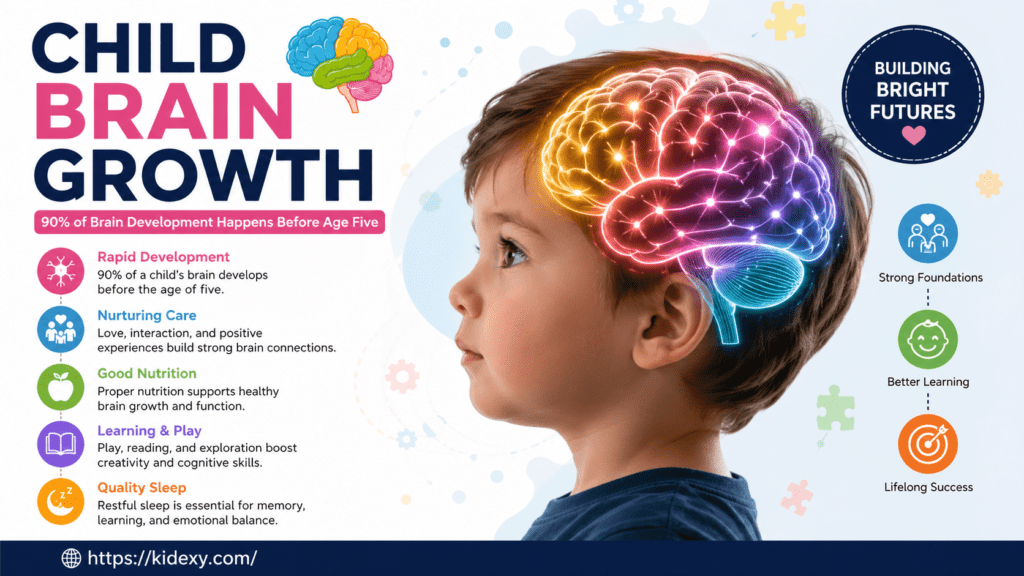
A toddler’s brain develops through repeated experiences and interactions with the world. Every new sound, texture, movement, and conversation helps create neural pathways that strengthen learning abilities. Scientists explain that the brain grows rapidly during the first few years of life, making this period essential for emotional, social, and intellectual growth.
Toddlers learn best through active engagement rather than passive observation. They need opportunities to touch objects, ask questions, move around, and communicate with others. Simple activities like stacking blocks or naming colors may seem small, but they contribute greatly to memory, language, and problem-solving skills.
Positive relationships also play a major role in brain development. When parents respond warmly to their toddlers, children feel safe and confident exploring their surroundings. Emotional security supports learning because toddlers become more willing to try new things without fear.
Repetition is another important part of early learning. Toddlers often repeat words, games, and actions because repetition strengthens brain connections. Activities that encourage curiosity and exploration help toddlers understand patterns and develop independent thinking skills.
Why Play Is Essential for Brain Growth
Play is one of the most effective ways toddlers learn about the world. Through play, children practice communication, creativity, emotional control, and physical coordination. Experts often describe play as the foundation of healthy childhood development because it supports multiple areas of the brain at the same time.
When toddlers play, their brains actively process information. For example, building a tower teaches balance and problem-solving, while pretend play encourages imagination and language development. Interactive games also improve attention span and memory because children learn to focus on tasks and follow instructions.
Unstructured play is especially beneficial because it allows toddlers to make choices and think independently. Instead of following strict rules, children experiment, explore, and create their own ideas. This freedom strengthens creativity and critical thinking skills over time.
Play also supports emotional well-being. Toddlers learn how to manage frustration, cooperate with others, and express feelings during playful interactions. These emotional experiences are important for developing confidence and healthy social behavior later in life.
Reading Activities That Improve Brain Function
Reading aloud is one of the best activities for toddler brain development because it improves language, listening, and imagination skills. Even before toddlers understand every word, they benefit from hearing different sounds and rhythms in speech. Reading regularly introduces children to new vocabulary and strengthens communication abilities.
Picture books are especially useful for toddlers because colorful images help connect words with objects and emotions. Parents can point to animals, shapes, and colors while reading to encourage participation. Asking simple questions about the story also improves thinking and comprehension skills.
Interactive storytelling keeps toddlers engaged and curious. Changing voices for characters, using facial expressions, and encouraging toddlers to repeat words make reading more enjoyable. Children become active participants instead of passive listeners, which improves memory and attention.
Daily reading routines create emotional bonding opportunities between parents and toddlers. Bedtime stories help children feel secure and relaxed while developing a love for books. Over time, these experiences build strong literacy foundations that support future academic success.
Music and Singing Activities for Cognitive Development
Music activates several areas of the brain simultaneously, making it highly beneficial for toddlers. Singing songs, clapping rhythms, and dancing to music improve memory, coordination, and language skills. Many parents searching for the best activities for toddler brain development include musical play because it combines learning with fun.
Nursery rhymes help toddlers recognize sounds and speech patterns. Repeating rhymes strengthens language processing abilities and improves pronunciation. Songs with actions also encourage physical coordination because toddlers learn to connect movements with words.
Simple instruments like drums, shakers, and tambourines can stimulate creativity and sensory learning. Toddlers enjoy experimenting with sounds, rhythms, and movement. These activities encourage curiosity while improving listening and concentration skills.
Music also has emotional benefits. Calm songs can help toddlers relax, while energetic music encourages movement and excitement. Shared musical activities strengthen parent-child relationships and create joyful learning experiences that toddlers remember.
Sensory Play Activities for Toddlers
Sensory play involves activities that stimulate a toddler’s senses, including touch, sight, smell, sound, and movement. These experiences help children understand the world around them while improving brain connections. Sensory activities are particularly effective because toddlers naturally learn through exploration.
Water play is one of the easiest sensory activities for young children. Pouring water into cups, splashing gently, and floating toys encourage curiosity and hand-eye coordination. Sand play also helps toddlers explore textures while improving fine motor skills through scooping and digging.
Sensory bins filled with rice, beans, cotton balls, or soft fabrics can provide engaging learning experiences. Toddlers enjoy sorting, touching, and moving objects while developing concentration and problem-solving abilities. Parents should always supervise sensory play to ensure safety.
Texture exploration also supports language development. When parents describe objects as soft, rough, smooth, or sticky, toddlers learn new vocabulary naturally. These simple conversations improve communication skills while making sensory learning more interactive.
Building and Stacking Games
Building activities are excellent for improving cognitive development because they encourage planning, creativity, and coordination. Toddlers enjoy stacking blocks, connecting pieces, and creating simple structures. These activities teach balance, shapes, and spatial awareness in a playful way.
When toddlers build towers, they learn through trial and error. If the tower falls, children try again using different strategies. This process strengthens problem-solving skills and teaches patience. Building games also improve hand-eye coordination because toddlers carefully place objects on top of each other.
Creative construction activities encourage imagination. Toddlers may turn blocks into houses, bridges, or pretend cities. This imaginative thinking supports brain flexibility and independent learning. Open-ended toys are especially valuable because they allow multiple forms of play.
Parents can make building games more interactive by asking questions or introducing challenges. Encouraging toddlers to build taller towers or sort blocks by color adds educational value while keeping the activity enjoyable.
Art and Craft Activities for Brain Stimulation
Art activities support creativity and emotional expression while improving fine motor skills. Drawing, coloring, and painting encourage toddlers to experiment with shapes, textures, and colors. These experiences strengthen brain connections related to creativity and visual understanding.
Finger painting is particularly beneficial because it combines sensory exploration with artistic expression. Toddlers enjoy feeling paint textures while creating patterns and shapes. This activity also improves finger control, which later supports writing abilities.
Simple crafts such as paper tearing, gluing, and sticker placement improve concentration and coordination. These tasks require careful hand movements, helping toddlers strengthen small muscles in their hands and fingers. Art projects also teach decision-making because children choose colors and materials independently.
Creative activities build confidence because toddlers feel proud of their creations. Praising effort rather than perfection encourages children to continue exploring new ideas without fear of mistakes.
Outdoor Activities That Support Brain Development
Outdoor play offers valuable learning opportunities that indoor environments cannot fully provide. Fresh air, natural surroundings, and physical movement support both mental and physical health. Nature exploration is one of the best activities for toddler brain development because it stimulates curiosity and sensory learning.
Walking outdoors allows toddlers to observe birds, trees, insects, and changing weather. These experiences encourage questioning and discovery. Parents can point out colors, sounds, and textures to expand vocabulary and awareness of the environment.
Physical activities such as running, climbing, and jumping improve balance, coordination, and muscle development. Movement also increases blood flow to the brain, supporting focus and learning. Active toddlers often sleep better and maintain healthier emotional balance.
Outdoor games encourage social interaction as well. Playing with other children teaches cooperation, sharing, and communication. These social experiences are essential for emotional intelligence and relationship-building skills.
Language Development Activities
Language development begins long before toddlers speak clearly. Regular conversations help children understand words, sentence patterns, and emotional expression. Parents can support communication growth by talking frequently during everyday activities.
Naming objects around the house is a simple but powerful learning technique. Describing actions such as washing hands, cooking food, or putting on shoes helps toddlers connect words with experiences. These repeated interactions strengthen vocabulary naturally.
Reading books, singing songs, and asking questions also encourage language development. Even if toddlers answer with gestures or short phrases, these interactions improve listening and communication skills. Patience is important because every child develops language at a different pace.
Encouraging toddlers to express thoughts and emotions builds confidence. Instead of correcting every mistake immediately, parents can gently repeat words correctly while maintaining positive communication.
Puzzle and Problem-Solving Activities
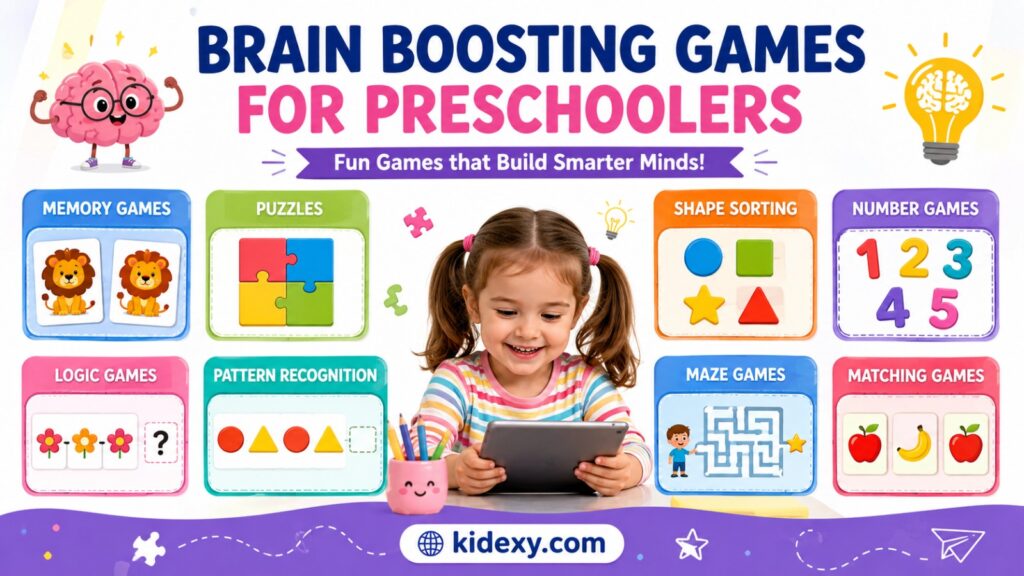
Puzzles help toddlers develop logical thinking and concentration. Simple shape sorters, matching games, and large-piece puzzles encourage children to analyze patterns and solve problems independently. These activities strengthen memory and reasoning skills.
When toddlers complete puzzles, they learn persistence and patience. Trying different pieces until one fits teaches flexibility and critical thinking. Success also boosts confidence, motivating children to continue learning.
Sorting games using colors, shapes, or objects improve classification skills. Toddlers begin recognizing similarities and differences, which supports early mathematical understanding. Matching activities also strengthen visual memory and attention to detail.
Parents can increase engagement by participating in puzzle activities together. Offering encouragement and gentle guidance helps toddlers stay motivated while enjoying the learning process.
Pretend Play and Imagination Activities
Pretend play allows toddlers to explore emotions, relationships, and ideas creatively. Activities such as pretending to cook, care for dolls, or drive toy cars stimulate imagination and language development. These experiences encourage flexible thinking and storytelling abilities.
Role-playing games help toddlers understand everyday situations. For example, pretending to visit a doctor or grocery store teaches social behavior and communication skills. Children learn by copying adults and experimenting with different roles.
Imaginative play also supports emotional development. Toddlers express feelings and fears through pretend scenarios, helping them process experiences in a safe environment. This emotional expression is important for confidence and self-awareness.
Using open-ended toys like dolls, toy animals, and play kitchens encourages creativity because children invent their own stories and activities. The freedom to create different situations strengthens independent thinking skills.
Fine Motor Skill Activities
Fine motor activities focus on small hand and finger movements that support writing, drawing, and daily tasks. Toddlers develop these skills gradually through playful experiences that involve gripping, pinching, and manipulating objects.
Playdough is one of the most effective tools for fine motor development. Rolling, squeezing, and shaping dough strengthen hand muscles while encouraging creativity. Activities like threading large beads or placing objects into containers also improve coordination.
Simple household tasks can support fine motor growth as well. Toddlers can help peel bananas, stack cups, or turn pages in books. These activities build independence while strengthening hand control.
Fine motor practice also improves concentration because toddlers focus carefully on completing tasks. Repeated practice helps children gain confidence in their abilities over time.
Gross Motor Activities for Brain Health
Gross motor activities involve larger body movements such as running, jumping, and climbing. These movements are important for physical health, but they also support brain development by improving coordination and balance.
Dance activities are especially enjoyable for toddlers because they combine movement with rhythm and music. Following dance actions improves memory and listening skills while encouraging physical expression. Active movement also releases energy and supports emotional well-being.
Balancing games help toddlers strengthen body awareness and concentration. Walking on lines, stepping over obstacles, or playing simple movement games improves coordination and confidence.
Regular physical activity supports better sleep and attention spans. Active toddlers are often more focused during quiet learning activities because movement helps regulate energy levels and brain function.
STEM Activities for Toddlers
STEM activities introduce toddlers to science, technology, engineering, and math concepts through play. At this age, STEM learning should remain simple, interactive, and curiosity-based rather than academic or structured.
Basic science experiments such as mixing colors, floating objects in water, or planting seeds encourage observation and exploration. Toddlers enjoy discovering how things work and asking questions about changes they see.
Counting games and sorting activities support early math skills. Parents can count toys, steps, or fruits during daily routines to make learning natural and enjoyable. Comparing sizes and shapes also strengthens logical thinking.
Building activities, ramps, and simple cause-and-effect toys introduce engineering concepts in playful ways. These hands-on experiences encourage problem-solving and experimentation while making learning exciting.
Social Activities That Encourage Brain Development
Social interaction is an important part of healthy brain growth. Toddlers learn communication, empathy, and emotional control through experiences with family members and other children. Group activities help develop confidence and cooperation skills.
Playing simple games with peers teaches sharing, patience, and teamwork. Even brief interactions can improve social understanding because toddlers observe and imitate behaviors around them.
Positive communication from adults also shapes emotional intelligence. Encouraging toddlers, listening carefully, and responding calmly help children feel valued and secure. Emotional support creates a strong foundation for learning.
Social experiences expose toddlers to new words, ideas, and perspectives. Conversations and group activities stimulate thinking while improving listening and speaking abilities.
Screen Time and Brain Development
Technology can be useful when used carefully, but excessive screen time may limit active learning experiences. Toddlers benefit most from interactive activities that involve movement, conversation, and exploration rather than passive viewing.
Educational programs and interactive learning apps may support language or problem-solving skills when used in moderation. However, screen time should never replace physical play, reading, or social interaction. Balance is essential for healthy development.
Parents can improve screen experiences by watching together and discussing content. Asking questions and connecting lessons to real-life situations makes digital learning more meaningful.
Creating screen-free routines during meals, bedtime, and outdoor play encourages healthier habits. Toddlers need opportunities to move, communicate, and explore their surroundings actively.
Healthy Habits That Support Brain Growth
Healthy habits play a major role in supporting brain development during toddlerhood. Nutritious foods provide essential vitamins and minerals needed for learning, memory, and concentration. A balanced diet with fruits, vegetables, proteins, and healthy fats supports overall growth.
Sleep is equally important because the brain processes information and strengthens memories during rest. Toddlers need consistent sleep schedules to maintain emotional balance and attention skills. Lack of sleep can affect mood and learning abilities.
Hydration and regular physical activity also support healthy brain function. Active play improves circulation and energy levels, while water helps maintain proper body function. Simple routines encourage long-term healthy habits.
Emotional stability contributes to learning as well. Toddlers thrive in calm environments where they feel loved, supported, and safe exploring new experiences.
Common Mistakes Parents Should Avoid
Parents often want the best for their children, but too much pressure can create stress instead of healthy learning. Toddlers learn best through enjoyable experiences rather than strict academic expectations. Comparing children with others may also reduce confidence because every child develops differently.
Overloading toddlers with activities can lead to overstimulation and frustration. Young children need balance between active learning and quiet rest. Free play and relaxation are just as important as structured educational activities.
Ignoring emotional needs may also affect development. Toddlers require attention, affection, and patience to feel secure. Emotional support strengthens confidence and encourages healthy exploration.
Another common mistake is relying too heavily on screens or electronic toys. Interactive human communication remains one of the most effective ways to support toddler learning and emotional growth.
How to Create a Brain-Boosting Daily Routine
A balanced routine helps toddlers feel secure while providing regular learning opportunities. Parents do not need complicated schedules to support development. Simple activities spread throughout the day can create meaningful learning experiences naturally.
Morning reading sessions, outdoor play, music time, and creative activities can all become part of a healthy routine. Combining physical movement with quiet learning helps toddlers maintain focus and energy balance.
Flexibility is important because toddlers have changing moods and attention spans. Parents should follow children’s interests and allow room for spontaneous play. Learning becomes more effective when toddlers enjoy the process.
Encouraging independence also supports brain development. Allowing toddlers to make small choices, help with tasks, and explore safely builds confidence and problem-solving abilities over time.
Conclusion
The toddler years are a critical stage of learning and growth. Every conversation, game, story, and playful experience contributes to stronger brain connections that shape future development. Parents searching for the best activities for toddler brain development should remember that meaningful interaction matters more than expensive tools or strict lessons.
Simple activities such as reading books, singing songs, exploring nature, building with blocks, and engaging in pretend play provide powerful learning opportunities. These experiences support language, creativity, emotional intelligence, coordination, and problem-solving skills in natural ways.
Consistency, patience, and emotional support are essential during this stage. Toddlers thrive in environments where they feel loved, encouraged, and free to explore. By creating playful learning opportunities every day, parents can help children build confidence, curiosity, and lifelong learning habits.
The most important goal is not perfection but connection. Spending quality time together through fun and engaging activities creates lasting memories while supporting healthy brain development in the early years.
FAQs
What are the best activities for toddler brain development at home?
Some of the best activities for toddler brain development at home include reading books, sensory play, singing songs, puzzles, building blocks, and pretend play. These activities improve language skills, memory, coordination, and creativity. Parents can also involve toddlers in daily household tasks to encourage problem-solving and independence in a natural environment.
How much playtime does a toddler need each day?
Toddlers need several hours of active play every day because movement and exploration support healthy development. Physical activities, creative games, and social interaction all contribute to brain growth. Instead of focusing only on structured lessons, parents should provide a balance of guided activities and free play throughout the day.
Can music really improve toddler brain development?
Yes, music can support toddler brain development by improving memory, language skills, coordination, and emotional expression. Singing songs and playing simple instruments stimulate multiple areas of the brain simultaneously. Rhythmic activities also help toddlers recognize speech patterns and improve listening abilities while making learning enjoyable.
Are puzzles good for toddlers?
Puzzles are excellent learning tools for toddlers because they improve concentration, logical thinking, and problem-solving abilities. Simple puzzles with large pieces help children understand shapes, patterns, and spatial relationships. Completing puzzles also builds patience and confidence as toddlers experience success through independent effort.
How important is reading for toddlers?
Reading is extremely important because it strengthens language development, listening skills, imagination, and emotional bonding. Reading aloud introduces toddlers to new vocabulary and helps them understand communication patterns. Interactive storytelling also improves attention span and curiosity while creating positive learning experiences with parents.
What type of sensory play is best for toddlers?
Safe and simple sensory play activities work best for toddlers. Water play, sand play, sensory bins, finger painting, and texture exploration are all beneficial. These activities stimulate curiosity while improving coordination and brain connections. Sensory experiences also support language development when parents describe textures, colors, and actions during play.
How does outdoor play help brain development?
Outdoor play supports brain development by encouraging movement, exploration, and sensory learning. Activities like running, climbing, and observing nature improve coordination, focus, and curiosity. Outdoor environments also reduce stress and provide opportunities for social interaction, which contributes to emotional and cognitive growth.
How much screen time is healthy for toddlers?
Toddlers benefit most from limited and supervised screen time. Educational programs can support learning when balanced with active play, reading, and social interaction. Excessive screen use may reduce opportunities for movement and communication, so parents should focus on creating healthy routines that encourage real-world exploration and engagement.