Introduction
Children learn from the world around them every single day. From the foods they eat to the way they sleep and play, small daily routines slowly shape their physical health, emotional well-being, and future lifestyle choices. Teaching healthy habits early gives children a strong foundation that can support them throughout their lives.
Many parents want their children to grow up healthy, active, and confident, but building these routines can sometimes feel challenging. The good news is that healthy living does not require perfection. Simple and consistent habits can make a big difference over time. This guide explores practical kids healthy habits that parents can teach naturally through daily life.
Why Healthy Habits Matter for Kids
Physical Growth and Development
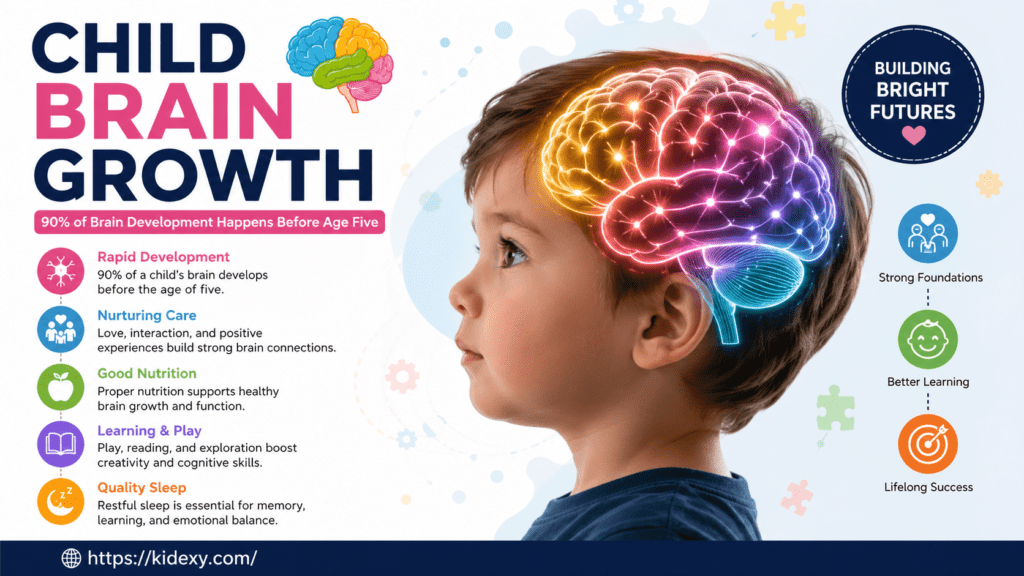
Healthy habits support proper growth during childhood. Nutritious foods, regular movement, and enough sleep help children build strong bones, healthy muscles, and better immunity. When children follow healthy routines consistently, they often feel more energetic and active throughout the day.
Good habits also lower the risk of common health issues linked to poor lifestyle choices. Children who eat balanced meals and stay physically active are more likely to maintain a healthy weight and develop better overall fitness. These positive patterns can continue into adulthood.
Mental and Emotional Benefits
Healthy routines are not only important for the body. They also play a major role in emotional health and learning ability. Children who sleep well and eat nutritious foods often have better focus, improved memory, and more stable moods during school and home activities.
Daily structure can also help children feel secure and confident. Simple routines such as regular mealtimes, bedtime schedules, and outdoor play create a sense of stability that supports emotional development and reduces stress.
Long-Term Lifestyle Advantages
The habits children learn early often stay with them later in life. Teaching responsibility, hygiene, and healthy eating during childhood increases the chances of raising independent and health-conscious adults.
Parents who encourage healthy routines are also teaching discipline and self-care. These life skills help children make smarter decisions as they grow older and become more responsible for their own health.
Healthy Eating Habits Every Child Should Learn
Importance of Balanced Nutrition
Food gives children the nutrients they need to grow, learn, and stay active. A balanced diet that includes fruits, vegetables, proteins, dairy, and whole grains supports healthy development and improves daily energy levels.
Parents can make healthy eating easier by offering colorful meals and involving children in simple food choices. When kids are exposed to healthy foods regularly, they become more comfortable trying new tastes and textures over time.
Encouraging Healthy Breakfast Routines
Breakfast is one of the most important meals for children because it helps them start the day with energy and focus. Children who eat breakfast regularly often perform better at school and stay active longer throughout the day.
Simple meals such as eggs, oatmeal, yogurt, fruit, or whole-grain toast can provide important nutrients without taking too much preparation time. Parents should aim to create calm and positive morning routines around breakfast.
Healthy Snacks Instead of Junk Food
Children naturally become hungry between meals, especially after school or physical activities. Keeping healthy snacks available can prevent excessive consumption of sugary or highly processed foods.
Fresh fruit, yogurt, nuts, smoothies, and homemade snacks are healthier choices that support energy and concentration. Teaching moderation instead of completely banning treats can also help children develop a balanced relationship with food.
Teaching Hydration and Portion Awareness
Water plays a major role in maintaining energy and concentration. Many children prefer sugary drinks, but encouraging water as the main beverage supports better health and reduces unnecessary sugar intake.
Parents can also teach children to listen to their hunger and fullness signals. Understanding portion awareness helps kids avoid overeating while still enjoying their favorite foods responsibly.
Daily Physical Activity for Healthy Kids
Why Exercise Is Essential
Physical activity helps children stay healthy both physically and mentally. Running, jumping, climbing, and active play improve coordination, balance, and heart health while supporting strong muscles and bones.
Exercise also helps release stress and improves mood. Active children often sleep better and feel more confident in social situations and school activities.
Fun Ways to Keep Kids Active
Children are more likely to enjoy exercise when it feels fun instead of forced. Outdoor games, cycling, swimming, dancing, and sports can all encourage movement while keeping children entertained.
Family activities are another excellent way to build healthy habits together. Evening walks, weekend park visits, or active games at home allow parents and children to spend quality time while staying active.
Reducing Sedentary Habits
Modern technology has increased screen time for many children. While digital devices can be educational, too much sitting may affect physical health and social development.
Parents can encourage healthier routines by setting reasonable screen time limits and promoting active alternatives. Creating screen-free times during meals and before bedtime can also improve overall well-being.
Healthy Sleep Habits for Growing Children
Importance of Proper Sleep
Sleep is essential for healthy brain function, emotional balance, and physical growth. Children who do not get enough rest may struggle with focus, learning, and behavior during the day.
Good sleep also supports the immune system and helps the body recover from daily activities. A well-rested child is usually happier, calmer, and more prepared for school and social interaction.
Creating a Consistent Bedtime Routine
Children benefit from predictable bedtime schedules. Going to sleep and waking up at similar times each day helps regulate the body’s natural sleep cycle.
Relaxing routines before bed can also improve sleep quality. Reading books, dimming lights, and reducing loud activities create a calm environment that signals the body to rest.
Limiting Screen Use Before Bed
Electronic devices can interfere with healthy sleep patterns because the light from screens affects the brain’s sleep signals. Children who use tablets or phones late at night may have difficulty falling asleep.
Parents can create healthier routines by keeping screens away at least an hour before bedtime. Replacing screen use with calming activities often leads to deeper and more restful sleep.
Personal Hygiene Habits Kids Should Practice
Proper Handwashing Techniques
Teaching children to wash their hands correctly is one of the simplest ways to prevent illness. Handwashing removes germs and reduces the spread of infections at home and school.
Children should learn to wash their hands before eating, after using the bathroom, and after outdoor play. Making handwashing fun through songs or routines can help younger children remember the habit.
Dental Care Habits
Healthy teeth are important for eating, speaking, and overall confidence. Children should brush their teeth twice daily and learn proper flossing habits as they grow older.
Regular dental visits also help detect problems early and encourage long-term oral health. Parents who make dental care part of daily routines often raise children with stronger hygiene habits.
Bathing and Personal Cleanliness
Daily cleanliness helps children feel fresh, comfortable, and confident. Bathing regularly and wearing clean clothes are important habits that support personal hygiene and self-respect.
Teaching children how to care for their bodies independently also builds responsibility. Simple routines such as organizing toiletries or preparing school clothes encourage independence over time.
Emotional and Social Healthy Habits
Encouraging Positive Communication
Children need emotional support just as much as physical care. Encouraging open communication helps kids express feelings in healthy ways and strengthens family relationships.
Parents should listen patiently and create safe spaces for children to talk about fears, frustrations, and successes. Positive communication builds trust and emotional resilience.
Building Confidence and Self-Esteem
Confident children are more willing to try new experiences and handle challenges. Parents can support self-esteem by praising effort, encouraging independence, and celebrating progress instead of perfection.
Allowing children to make age-appropriate decisions also teaches responsibility and confidence. Small achievements can greatly improve motivation and emotional growth.
Teaching Kindness and Respect
Respectful behavior begins at home. Teaching children to say kind words, share with others, and show gratitude builds strong social skills and healthy relationships.
Parents who model respectful behavior themselves often influence children more effectively than rules alone. Daily examples leave lasting impressions on young minds.
Healthy Screen Time and Digital Habits
Managing Technology Use
Technology is now a major part of everyday life, but balance is important. Excessive screen time may affect physical activity, sleep quality, and social interaction among children.
Creating healthy boundaries around devices helps children develop better time management and healthier routines. Parents can establish clear rules without making technology feel completely restricted.
Encouraging Creative Activities
Replacing some screen time with creative hobbies can improve learning and imagination. Reading, drawing, music, crafts, and outdoor play support brain development and emotional health.
Educational games and interactive learning activities can also be useful when used in moderation. The goal is to create balance rather than complete avoidance of technology.
Creating Family Connection Time
Families often become disconnected when everyone spends too much time on devices. Creating screen-free family moments encourages stronger relationships and communication.
Shared meals, game nights, outdoor activities, and conversations help children feel emotionally connected and supported. These moments often become meaningful childhood memories.
How Parents Can Encourage Healthy Habits
Leading by Example
Children often copy what they see. Parents who eat healthy foods, stay active, and practice good hygiene naturally encourage similar behaviors in their children.
Healthy habits become easier when the whole family participates together. Positive role modeling is one of the most effective parenting tools available.
Using Positive Reinforcement
Children respond well to encouragement and praise. Recognizing healthy choices can motivate them to continue positive behaviors without feeling pressured.
Reward systems, verbal praise, and supportive feedback help children stay motivated while building confidence in their abilities.
Staying Consistent With Routines
Consistency is important when teaching kids healthy habits. Children learn best when routines are repeated regularly and expectations remain clear.
Parents should focus on gradual progress rather than perfection. Small changes practiced daily often create stronger long-term habits than strict short-term rules.
Conclusion
Teaching kids healthy habits is one of the most valuable gifts parents can provide. Healthy eating, regular exercise, quality sleep, hygiene, and emotional support all work together to help children grow stronger, happier, and more confident.
Building these habits does not require complicated routines or unrealistic perfection. Small daily actions can create lifelong benefits when practiced consistently. Parents who lead with patience, encouragement, and positive examples help children develop healthy lifestyles that can support them well into adulthood.
Frequently Asked Questions
What are the most important healthy habits for kids?
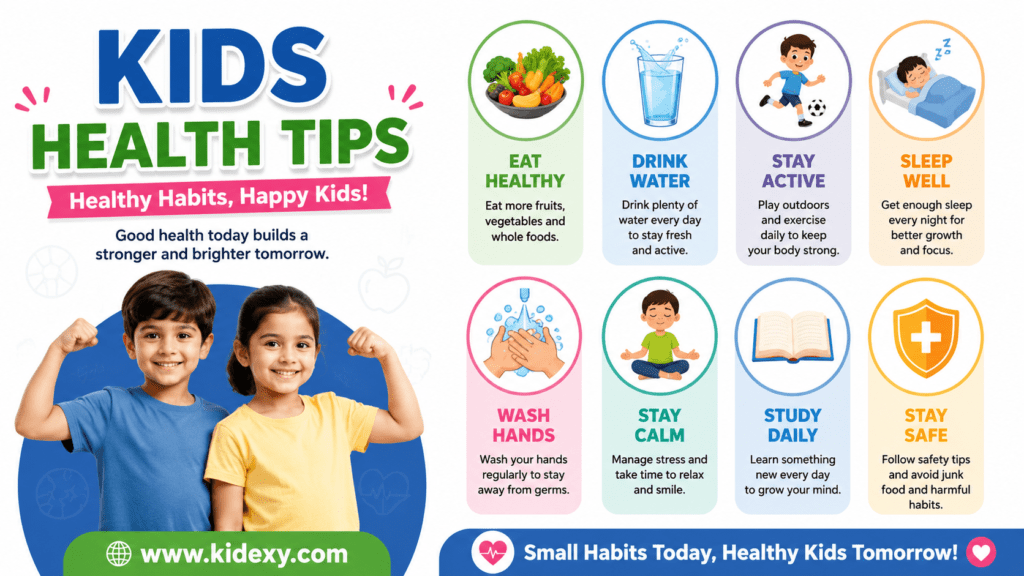
The most important habits include healthy eating, regular physical activity, proper sleep, good hygiene, emotional communication, and limited screen time.
How can parents encourage children to eat healthier foods?
Parents can offer balanced meals, involve children in meal preparation, keep healthy snacks available, and avoid forcing children to eat foods they dislike.
How many hours of sleep do children need?
Sleep needs vary by age, but most school-age children need around nine to twelve hours of quality sleep each night for healthy development.
Why is physical activity important for children?
Physical activity supports strong muscles and bones, improves heart health, boosts mood, and helps children maintain healthy energy levels.
How can families reduce excessive screen time?
Families can create device-free routines during meals and bedtime, encourage outdoor activities, and replace some screen time with creative hobbies or family