Introduction
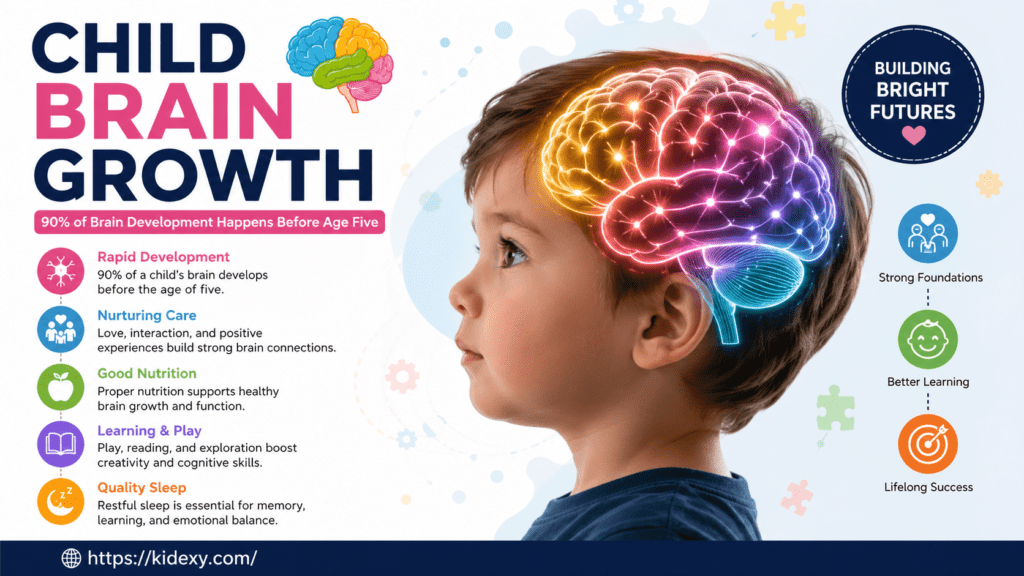
A healthy child diet plays a major role in supporting physical growth, brain development, emotional balance, and strong immunity. Children require proper nutrition during their early years because their bodies and minds develop rapidly. Parents who focus on balanced meals can help children stay active, energetic, and mentally sharp throughout the day. Healthy eating habits built during childhood often continue into adulthood and reduce the risk of future health problems.
Modern lifestyles have changed the way children eat and live. Many kids consume processed snacks, sugary drinks, and fast food regularly, which may lead to obesity, poor concentration, and nutritional deficiencies. A healthy child diet encourages natural foods, balanced meals, and proper hydration to support overall wellness. Understanding healthy nutrition can help parents make smarter choices and create lifelong healthy habits for their children.
Understanding a Healthy Child Diet
A healthy child diet includes a proper balance of proteins, carbohydrates, healthy fats, vitamins, minerals, and water. Every child needs different amounts of nutrients depending on age, activity level, and growth stage. Balanced meals help children maintain healthy body weight, stronger muscles, and better learning abilities. Nutritious eating also improves sleep quality and supports emotional health in growing children.
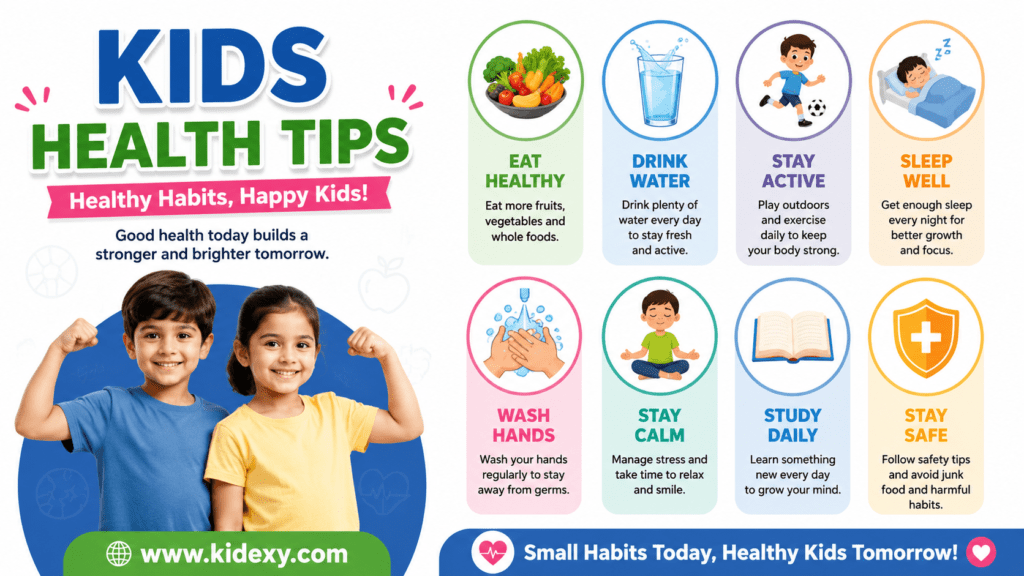
Parents should avoid focusing only on calorie intake and instead pay attention to food quality. Fresh fruits, vegetables, whole grains, lean proteins, and dairy products provide important nutrients that children need daily. Limiting junk food and sugary beverages is equally important. A healthy child diet should include colorful meals, natural ingredients, and a variety of food groups to ensure complete nutrition.
Importance of Nutrition for Child Growth
Good nutrition directly affects the physical and mental growth of children. Healthy foods provide energy for daily activities, strengthen bones and muscles, and support healthy organ function. Children who receive balanced nutrition often perform better in school and show improved concentration. Healthy eating habits also reduce the risk of infections and common illnesses by strengthening the immune system.
Poor eating habits during childhood can create long-term health challenges. Nutritional deficiencies may lead to weakness, fatigue, poor academic performance, and slow growth. A healthy child diet helps maintain proper height, weight, and brain development while encouraging healthy metabolism. Proper nutrition during childhood creates a strong foundation for lifelong wellness and healthy living.
Essential Nutrients Every Child Needs
Proteins are important for building muscles, repairing body tissues, and supporting growth. Children can get protein from eggs, chicken, fish, beans, lentils, yogurt, and nuts. Protein-rich meals help maintain energy levels and improve body strength. Including protein in breakfast, lunch, and dinner supports healthy growth and helps children stay active throughout the day.
Healthy fats are also necessary because they support brain development and hormone production. Foods like avocados, nuts, seeds, olive oil, and fish provide healthy fats for children. Carbohydrates from whole grains, fruits, and vegetables offer lasting energy and improve digestion. Vitamins and minerals such as calcium, iron, and vitamin D are equally important for strong bones, healthy blood circulation, and better immunity.
Fruits and Vegetables in a Healthy Child Diet
Fruits and vegetables are among the most important foods in a healthy child diet because they provide vitamins, antioxidants, fiber, and minerals. These nutrients protect children from illness and improve digestion. Brightly colored fruits and vegetables also support healthy skin, vision, and brain function. Parents should encourage children to eat different fruits and vegetables daily for complete nutrition.
Fresh fruits like apples, bananas, berries, oranges, and mangoes are excellent healthy snacks for children. Vegetables such as carrots, spinach, broccoli, cucumbers, and sweet potatoes provide essential nutrients that support growth. Parents can make fruits and vegetables more attractive by preparing colorful salads, smoothies, and creative meal presentations that children enjoy eating regularly.
Whole Grains and Healthy Carbohydrates
Whole grains provide long-lasting energy and are an important part of a healthy child diet. Unlike refined grains, whole grains contain fiber, vitamins, and minerals that support digestion and heart health. Brown rice, oatmeal, whole wheat bread, and whole grain pasta help children feel full longer and maintain steady energy throughout the day.
Healthy carbohydrates improve brain performance and physical activity levels in growing kids. Children who consume balanced carbohydrate sources often have better concentration and mood stability. Parents should avoid processed sugary cereals and white bread because they provide limited nutrition. Replacing refined products with whole grains can greatly improve a child’s daily nutritional intake and overall wellness.
Protein-Rich Foods for Growing Kids
Protein is necessary for healthy muscles, body repair, and proper development during childhood. A healthy child diet should include protein sources in every meal to support growth and maintain strong immunity. Lean chicken, eggs, fish, yogurt, beans, lentils, and nuts are excellent options that provide high-quality nutrition for growing children.
Children who eat enough protein often experience better physical strength and improved energy levels. Protein also supports healthy hair, skin, and bone development. Parents can prepare protein-rich meals such as egg sandwiches, grilled chicken wraps, yogurt bowls, and bean soups to make nutritious eating more enjoyable and satisfying for children of all ages.
Dairy Foods and Bone Health
Dairy products provide calcium, vitamin D, and protein that help build strong bones and teeth. Milk, cheese, yogurt, and fortified dairy alternatives are important parts of a healthy child diet. Calcium supports bone growth during childhood and reduces the risk of weak bones later in life. Dairy foods also help maintain healthy muscles and proper nerve function.
Children who avoid dairy products should consume fortified alternatives like soy milk or almond milk with added calcium and vitamin D. Parents should choose low-sugar yogurt and avoid heavily flavored dairy products with artificial ingredients. Including healthy dairy foods daily supports healthy growth and helps children maintain strong physical development during important growing years.
Healthy Eating Habits for Children
Healthy eating habits are just as important as nutritious foods. A healthy child diet becomes more effective when children follow regular meal routines and balanced eating schedules. Family meals encourage better communication and help children learn healthy behaviors from parents. Eating together also reduces unhealthy snacking and encourages mindful eating habits.
Parents should avoid forcing children to finish meals because it may create negative relationships with food. Encouraging slow eating and allowing children to recognize hunger and fullness signals can improve long-term eating habits. Healthy routines such as eating breakfast daily, limiting screen-time eating, and drinking enough water support better nutrition and emotional balance.
Importance of Breakfast for Kids
Breakfast is often called the most important meal of the day because it provides energy after long sleeping hours. A healthy breakfast improves concentration, memory, and school performance in children. Nutritious morning meals also reduce unhealthy cravings and overeating later in the day. A healthy child diet should always include balanced breakfast choices.
Children who skip breakfast may feel tired, distracted, and less active during school hours. Healthy breakfast options include oatmeal, eggs, fruit smoothies, yogurt, whole grain toast, and milk. Parents can prepare simple and quick breakfast meals to ensure children receive essential nutrients before starting their daily activities and learning routines.
Healthy Snacks for Children
Healthy snacks help children maintain energy between meals and prevent excessive hunger. A healthy child diet includes nutritious snacks that provide vitamins, protein, and fiber instead of processed junk food. Fruits, nuts, yogurt, cheese, smoothies, and homemade sandwiches are excellent snack options that support healthy growth and better digestion.
Parents should avoid offering sugary candies, chips, and soda regularly because they contain empty calories and harmful ingredients. Preparing healthy snacks in advance makes nutritious choices easier for children. Snack portions should also remain balanced to prevent overeating before main meals while still providing enough energy for active lifestyles.
Foods Children Should Avoid
Certain foods may negatively affect children’s health when consumed frequently. Sugary drinks, fast food, processed snacks, and deep-fried meals contain excessive sugar, unhealthy fats, and sodium. These foods may increase the risk of obesity, poor concentration, and long-term health issues. A healthy child diet focuses on natural and minimally processed foods instead.
Artificially flavored snacks and high-sugar desserts may also create unhealthy eating habits and increase cravings. Parents should teach children moderation instead of completely banning treats. Replacing unhealthy foods with healthier alternatives such as fruit smoothies, baked snacks, and homemade meals helps children develop balanced eating habits while still enjoying delicious flavors.
Hydration and Water Intake
Water is essential for every function in the body and should be a major part of a healthy child diet. Proper hydration improves digestion, concentration, body temperature control, and physical performance. Children who drink enough water usually feel more energetic and active throughout the day compared to those who consume sugary beverages regularly.
Parents should encourage water consumption instead of soft drinks and packaged juices that contain excessive sugar. Carrying reusable water bottles and offering water-rich foods like cucumbers, oranges, and watermelon can improve hydration habits. Developing healthy drinking routines during childhood supports long-term wellness and reduces dependence on unhealthy beverages.
Healthy Meal Planning for Families
Meal planning helps parents create balanced and nutritious meals for children consistently. A healthy child diet becomes easier to maintain when families prepare weekly menus and grocery lists. Planning meals in advance reduces dependence on fast food and allows parents to include more fresh ingredients and healthy cooking methods.
Balanced meals should include vegetables, protein, whole grains, and healthy fats in appropriate portions. Parents can involve children in grocery shopping and meal preparation to increase interest in healthy foods. Family participation often encourages children to try new foods and develop positive attitudes toward nutritious eating habits at home.
Nutrition for Toddlers
Toddlers require special nutrition because their bodies and brains grow rapidly during early childhood. A healthy child diet for toddlers should include nutrient-dense foods that provide healthy fats, protein, calcium, and vitamins. Small portion sizes and frequent meals help toddlers receive enough energy without overwhelming their developing digestive systems.
Parents should introduce a variety of foods early to encourage acceptance of different flavors and textures. Fresh fruits, vegetables, yogurt, eggs, and soft whole grains are excellent toddler meal options. Avoiding excessive sugar and processed snacks during toddler years helps build healthier eating habits that continue into later childhood stages.
Nutrition for School-Age Children
School-age children need balanced nutrition to support learning, physical activity, and healthy growth. A healthy child diet improves concentration, memory, and classroom performance while also maintaining energy levels throughout the school day. Nutritious lunches and healthy snacks help children stay active and focused during academic activities.
Parents should provide balanced lunchboxes with fruits, vegetables, protein, and whole grains instead of processed packaged foods. Encouraging healthy hydration and reducing sugary snacks can improve academic focus and physical health. School-age children also benefit from regular meal routines and positive family discussions about healthy eating choices.
Nutrition for Teenagers
Teenagers experience rapid physical and emotional changes that increase nutritional needs significantly. A healthy child diet during teenage years should include enough protein, calcium, iron, and healthy carbohydrates to support puberty and active lifestyles. Balanced nutrition also helps maintain healthy skin, mood stability, and proper hormonal development.
Many teenagers prefer fast food and sugary drinks because of social habits and busy schedules. Parents should encourage healthier alternatives while allowing flexibility and independence. Preparing homemade meals, healthy snacks, and nutritious beverages can help teenagers make smarter food choices without feeling restricted or pressured.
Managing Picky Eating Habits
Picky eating is common among children and may create stress for many parents. A healthy child diet can still be achieved by introducing foods gradually and maintaining patience during mealtimes. Children often need repeated exposure to new foods before accepting them, so consistency is important for improving eating habits.
Parents should avoid forcing children to eat disliked foods because it may increase resistance. Offering healthy choices regularly and involving children in meal preparation can make new foods more appealing. Positive encouragement, creative food presentation, and family dining experiences often improve picky eating behaviors over time naturally.
Preventing Childhood Obesity
Childhood obesity has become a growing concern due to unhealthy eating habits and reduced physical activity. A healthy child diet combined with regular exercise helps maintain healthy body weight and supports overall wellness. Children should participate in outdoor play, sports, and active hobbies to improve physical fitness and emotional health.
Parents should reduce screen time and encourage healthier lifestyle routines at home. Balanced meals, portion control, and healthy snacks play an important role in weight management. Teaching children the importance of nutritious eating and physical movement helps create long-term habits that reduce obesity-related health risks in the future.
Importance of Family Influence
Children often copy the eating behaviors and habits of their parents and family members. A healthy child diet becomes easier to maintain when the entire family practices nutritious eating together. Parents who regularly consume vegetables, fruits, and healthy meals create positive examples that encourage children to follow similar habits naturally.
Family meals also strengthen emotional connections and improve communication during mealtime. Eating together allows parents to monitor children’s eating habits and introduce healthier choices consistently. Positive home environments support balanced nutrition and help children develop confidence in making healthier food decisions independently as they grow older.
Making Healthy Food Fun for Kids
Children are more likely to enjoy nutritious foods when meals look attractive and creative. A healthy child diet does not have to feel boring or restrictive because parents can prepare colorful plates, fruit shapes, and healthy homemade treats. Fun food presentation encourages children to try new ingredients without fear or resistance.
Cooking activities can also increase interest in healthy eating. Allowing children to wash vegetables, mix ingredients, or decorate healthy snacks helps them feel involved and excited about meals. Interactive cooking experiences teach valuable nutrition lessons while creating positive memories that encourage healthy eating habits for years to come.
Long-Term Benefits of Healthy Eating
Healthy nutrition during childhood creates benefits that continue throughout adulthood. A healthy child diet supports stronger bones, healthier weight, better mental focus, and improved emotional well-being. Children who eat balanced meals often develop healthier relationships with food and maintain better lifestyle habits later in life.
Long-term healthy eating may reduce the risk of heart disease, diabetes, obesity, and other chronic health problems. Nutritious diets also improve confidence, energy levels, and physical performance. Teaching children healthy eating habits early creates a powerful foundation for lifelong wellness and overall happiness.
Conclusion
A healthy child diet is one of the most valuable gifts parents can provide for their children’s future. Balanced nutrition supports healthy growth, stronger immunity, emotional wellness, and improved learning abilities. Children who consume nutritious meals regularly are more likely to stay active, confident, and physically strong throughout different stages of life.
Parents do not need perfect meal plans to create healthy eating habits. Small daily improvements such as adding more fruits, reducing sugary drinks, and encouraging family meals can make a significant difference over time. Consistency, patience, and positive encouragement help children develop lifelong healthy habits that support overall health and happiness.
FAQs
What is a healthy child diet?
A healthy child diet includes balanced meals with fruits, vegetables, whole grains, proteins, healthy fats, dairy products, and enough water. It provides essential nutrients needed for growth, energy, and brain development while limiting processed foods and sugary drinks.
Why is nutrition important for children?
Nutrition supports healthy physical growth, brain function, immunity, and emotional wellness in children. Balanced meals help improve concentration, maintain healthy body weight, and reduce the risk of diseases and nutritional deficiencies.
What are the best healthy snacks for kids?
Healthy snacks include fruits, yogurt, nuts, cheese, smoothies, boiled eggs, and homemade sandwiches. These foods provide important nutrients and energy without excessive sugar or unhealthy fats.
How much water should children drink daily?
Water needs vary by age and activity level, but children should drink water regularly throughout the day. Parents should encourage water instead of sugary drinks to maintain proper hydration and overall health.
How can parents help picky eaters?
Parents can introduce foods gradually, avoid forcing meals, and make healthy foods visually appealing. Involving children in cooking and offering positive encouragement often improves picky eating habits over time.
Which foods should children avoid?
Children should limit sugary drinks, fast food, processed snacks, fried foods, and heavily packaged products. These foods may increase the risk of obesity, poor nutrition, and long-term health problems.
Is breakfast important for children?
Yes, breakfast provides energy, improves concentration, and supports learning performance. Healthy breakfast meals help children stay active and reduce unhealthy cravings during the day.
How does a healthy child diet support brain development?
Nutritious foods provide vitamins, minerals, healthy fats, and proteins that support memory, concentration, and cognitive development. Balanced nutrition helps children perform better academically and emotionally.