Introduction
Childhood is a time of discovery, imagination, and endless curiosity. Every day presents an opportunity for children to learn something new about themselves and the world around them. One of the most effective ways to support this natural learning process is through kids creative play. It allows children to explore ideas freely, experiment with different roles, and develop essential skills while having fun.
Parents and educators often look for meaningful activities that combine entertainment with learning. Creative play provides the perfect balance. Whether a child is building a cardboard castle, creating a painting, or inventing a story, these activities encourage growth in many areas of development. The experiences gained through imaginative play often leave a lasting impact on confidence, communication, and problem-solving abilities.
Understanding Creative Play and Why It Matters
Creative play refers to activities that encourage children to use their imagination, creativity, and original thinking. Unlike structured tasks that have specific instructions and outcomes, creative activities allow children to make their own choices. This freedom inspires innovation and helps them develop independence from an early age.
Children naturally enjoy exploring new ideas and experimenting with different possibilities. Through creative experiences, they learn how to express emotions, communicate thoughts, and solve challenges. These opportunities help build a strong foundation for lifelong learning while making childhood more enjoyable and engaging.
Benefits for Learning and Development
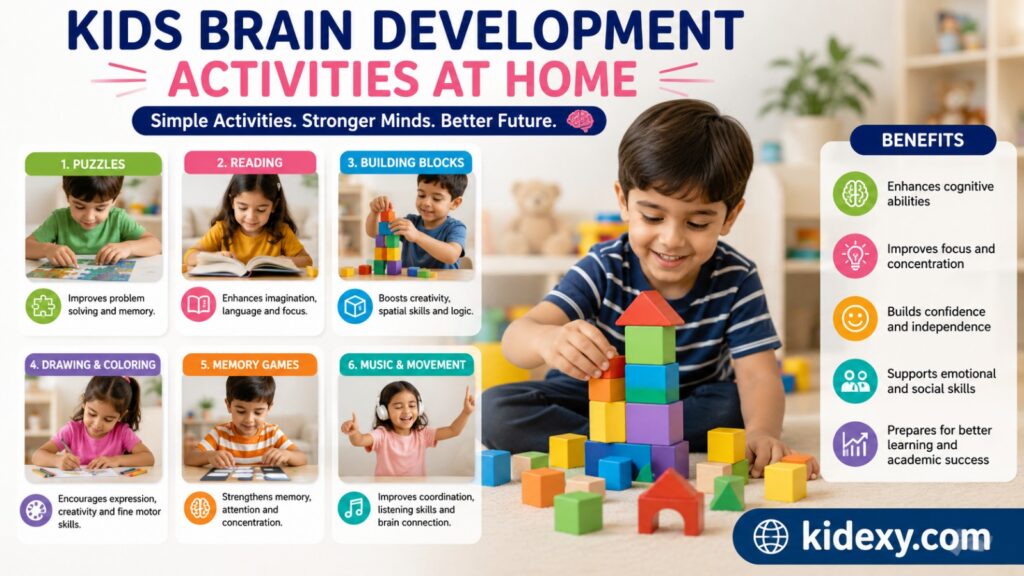
Creative activities contribute significantly to intellectual development. When children create stories, build structures, or invent games, they learn how to think critically and make decisions. They begin to understand cause and effect, recognize patterns, and develop reasoning skills that can support academic success later in life.
The emotional and social benefits are equally valuable. Imaginative experiences help children understand feelings, develop empathy, and improve communication. Working with friends during play teaches cooperation, patience, and teamwork. These skills strengthen relationships and help children navigate social situations with greater confidence.
Encouraging Imagination Through Everyday Activities
Children do not need expensive toys or advanced technology to develop their imagination. Everyday household items can become powerful tools for creativity. A cardboard box can transform into a spaceship, while a blanket fort can become a magical castle. These simple experiences often inspire more creativity than highly structured toys.
Storytelling is another effective way to encourage imaginative thinking. Children can invent characters, create adventures, and develop entire worlds using only their imagination. This type of activity improves language skills while allowing them to explore ideas in a safe and enjoyable environment.
Indoor Activities That Inspire Creativity
Indoor play can be just as exciting as outdoor adventures when creativity is encouraged. Art projects, puppet shows, building challenges, and pretend games provide endless opportunities for exploration. Children can create their own masterpieces, perform imaginative stories, or design unique inventions using simple materials found at home.
Creative indoor activities are especially valuable during bad weather or when outdoor play is not possible. These experiences help children stay engaged and productive while continuing to learn important skills. They also provide opportunities for family members to spend quality time together through meaningful interactions.
Outdoor Adventures That Promote Creative Thinking
Outdoor environments naturally stimulate curiosity and imagination. Parks, gardens, and backyards offer children opportunities to explore nature while creating their own adventures. They may pretend to be explorers searching for hidden treasures or scientists studying plants and insects.
Physical movement combined with imaginative activities supports both mental and physical development. Running, climbing, and exploring improve coordination and fitness, while creative storytelling and role-playing strengthen cognitive abilities. Outdoor experiences encourage children to connect with nature while developing confidence and independence.
Creative Activities for Different Age Groups
Young toddlers benefit from sensory experiences that allow them to explore textures, sounds, and colors. Simple activities such as finger painting, stacking blocks, and playing with safe sensory materials help build coordination and encourage curiosity about the world around them.
Older children often enjoy more complex projects that challenge their imagination and problem-solving skills. Craft activities, storytelling exercises, construction projects, and dramatic role-play allow them to express themselves creatively while developing advanced thinking abilities. Adapting activities to a child’s age ensures that play remains both engaging and beneficial.
The Role of Creative Play in Education
Modern education increasingly recognizes the value of creativity in learning. Imaginative activities help children understand concepts in a practical and memorable way. Through hands-on experiences, they can explore mathematics, science, language, and art while remaining actively involved in the learning process.
Creative learning environments encourage students to ask questions, test ideas, and think independently. These skills are important not only for academic achievement but also for future careers and personal growth. Children who develop creative thinking abilities often become more adaptable and confident problem solvers.
Supporting Creativity at Home
Parents play an important role in encouraging creativity. Providing access to art supplies, building materials, books, and open-ended toys creates an environment where imagination can thrive. Children benefit most when they have opportunities to explore their interests without constant direction or restrictions.
Creating time for unstructured activities is equally important. Many children have busy schedules filled with organized lessons and extracurricular commitments. Allowing free time for exploration helps them develop originality and self-confidence while reducing stress and promoting emotional well-being.
Common Challenges and How to Overcome Them
One challenge many parents face is the belief that creative activities require significant time, money, or preparation. In reality, some of the most effective experiences use simple materials already available at home. Everyday objects can inspire remarkable creativity when children are encouraged to think imaginatively.
Another challenge is the temptation to focus on perfect results rather than the learning process. Creative experiences should emphasize exploration and enjoyment rather than perfection. Celebrating effort and originality helps children feel confident enough to try new ideas without fear of making mistakes.
Budget-Friendly Ideas for Families
Creativity does not have to be expensive. Families can create engaging activities using recycled materials, household items, and natural resources. Empty boxes, paper rolls, fabric scraps, and old magazines can all become valuable tools for imaginative projects and artistic expression.
Nature also provides countless opportunities for low-cost exploration. Collecting leaves, creating nature-inspired artwork, and building outdoor structures with sticks and stones encourage creativity while teaching children to appreciate the environment. These activities demonstrate that meaningful learning experiences do not require a large budget.
Building Social Skills Through Group Activities
Group activities help children develop important social and communication skills. Collaborative projects encourage participants to share ideas, solve problems together, and respect different perspectives. These experiences teach valuable lessons about teamwork and cooperation.
Whether at home, in school, or within community groups, collaborative creativity helps children build friendships and strengthen interpersonal relationships. Working toward a common goal encourages patience, empathy, and effective communication, all of which are essential life skills.
Conclusion
Creative experiences are a powerful part of healthy childhood development. They encourage learning, strengthen imagination, and help children build confidence while having fun. By providing opportunities for exploration and self-expression, parents and educators can support growth in intellectual, emotional, and social areas.
The value of kids creative play extends far beyond entertainment. It helps children become curious learners, effective communicators, and innovative thinkers. Encouraging creativity every day creates a strong foundation for lifelong success and personal development.
FAQs
What is kids creative play?
Kids creative play involves activities that allow children to use imagination, creativity, and original thinking. Examples include storytelling, role-playing, drawing, building, crafting, and imaginative games.
Why is creative play important for child development?
Creative activities support cognitive, emotional, social, and physical growth. They help children develop confidence, communication skills, problem-solving abilities, and creative thinking.
What are some easy creative activities for children?
Drawing, painting, storytelling, building forts, making crafts, role-playing games, and nature exploration are simple activities that encourage creativity and learning.
How can parents encourage creativity at home?
Parents can provide open-ended materials, allow free play time, encourage exploration, and support children’s ideas without focusing too heavily on perfect outcomes.
Can creative activities improve academic performance?
Yes. Creative experiences strengthen critical thinking, language development, problem-solving skills, and curiosity, all of which contribute to better learning outcomes.
Are creative activities suitable for all ages?
Absolutely. Creative experiences can be adapted for toddlers, preschoolers, school-aged children, and even teenagers. The activities should match the child’s interests and developmental stage.
How much time should children spend on creative activities?
Children benefit from regular opportunities for imaginative exploration. Even a short period of creative activity each day can positively impact development and learning.
What materials are best for encouraging creativity?
Art supplies, building blocks, recycled materials, costumes, books, and natural objects are excellent choices because they encourage open-ended exploration and imaginative thinking.