Introduction
Childhood is the most powerful stage for shaping how the brain grows, learns, and responds to the world. During these early years, everyday experiences play a major role in building memory, attention, creativity, and problem-solving skills. Parents often look for expensive tools or structured programs, but some of the most effective learning happens through simple activities at home.
Engaging children in purposeful play and daily routines can significantly strengthen their cognitive development. When kids explore, touch, move, and imagine, their brains form stronger neural connections. This article explores practical and easy kids brain development activities at home that support memory, focus, and overall learning in a natural and enjoyable way.
Understanding Brain Development in Children
What Brain Development Means
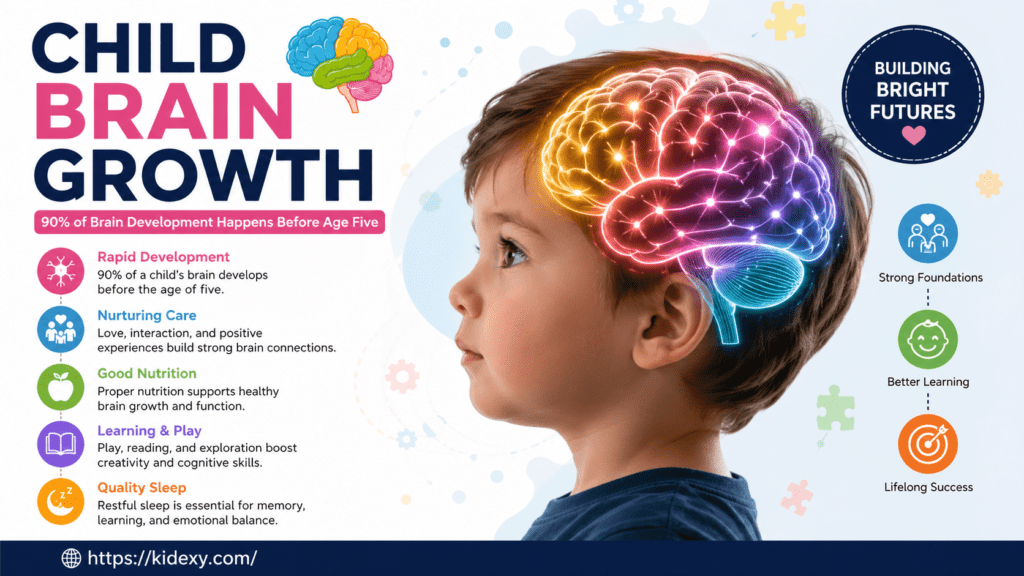
Brain development refers to the process through which a child’s brain grows, organizes, and strengthens connections. These connections influence how children think, remember, speak, and interact with their surroundings. Early experiences play a key role in shaping these abilities.
Children learn best through hands-on interaction with their environment. Every sound, movement, and activity helps build pathways in the brain that support future learning and behavior.
Key Skills Developed During Early Years
During childhood, several important skills develop at the same time. Memory helps children retain information, while attention allows them to focus on tasks. Problem-solving skills enable them to handle challenges, and language skills support communication.
Motor skills, both fine and gross, are also developed through physical play. These combined abilities create a strong foundation for academic learning and emotional growth.
Factors That Influence Brain Growth
A child’s brain development is influenced by multiple factors such as nutrition, sleep, physical activity, and emotional environment. A balanced diet supports brain function, while proper sleep helps store memories and learning.
Positive interactions with parents and a safe, stimulating home environment also encourage better cognitive development. Children thrive when they feel supported and encouraged.
Benefits of Brain Development Activities at Home
Improved Memory and Focus
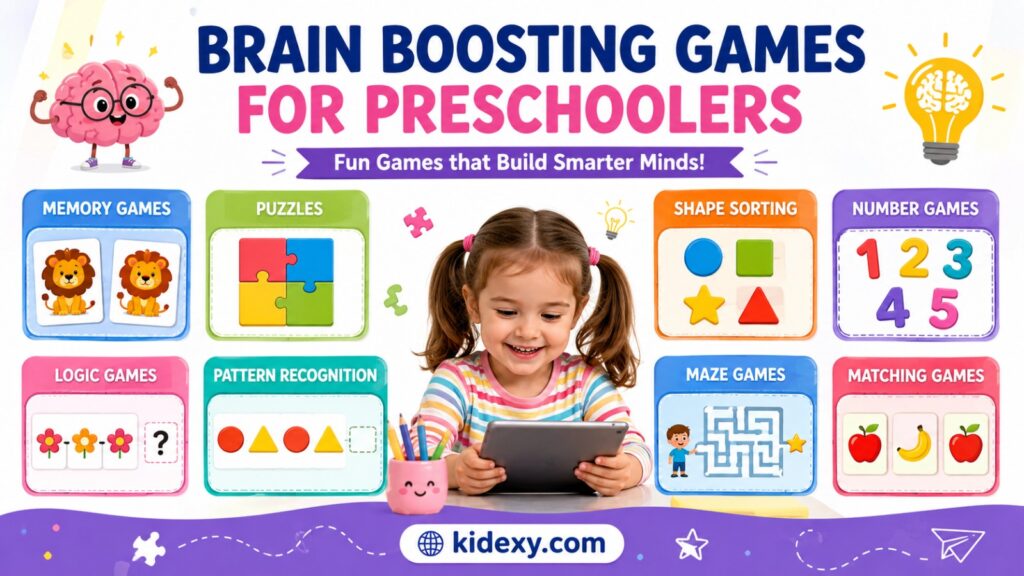
Regular home-based activities help children strengthen their memory and attention span. Simple games like matching, sorting, and storytelling encourage the brain to retain and process information more effectively.
When children repeat activities in a fun way, their ability to concentrate improves naturally without pressure.
Better Creativity and Problem-Solving
Creative activities encourage children to think beyond basic answers. Drawing, building, and imaginative play help them explore different solutions to problems.
This type of thinking builds flexibility in the brain, which is essential for future academic success and real-life decision-making.
Emotional and Social Development
Brain development activities also help children understand emotions and improve communication. Role-playing and group games teach empathy, sharing, and cooperation.
These skills are essential for building healthy relationships and emotional intelligence.
Kids Brain Development Activities at Home for Toddlers
Sensory Exploration Activities
Toddlers learn best through sensory experiences. Activities like playing with rice, water, or textured materials help stimulate their senses and improve brain connections.
These activities encourage curiosity and allow children to explore different textures, sounds, and movements in a safe environment.
Simple Sorting and Matching Games
Color sorting, shape matching, and object identification games help toddlers improve visual recognition and early thinking skills. These tasks build the foundation for later academic learning.
Using everyday items like buttons or blocks makes learning more engaging and accessible.
Movement and Music Activities
Music and movement play a strong role in brain stimulation. Dancing, clapping, and singing help improve coordination and rhythm.
These activities also support memory development as children remember lyrics and actions.
Brain Development Activities for Preschoolers
Storytelling and Imagination Games
Preschoolers enjoy stories and imaginative play. Asking them to retell stories or act out characters improves memory and language skills.
This type of play also enhances emotional understanding and creativity.
Puzzle and Matching Challenges
Simple puzzles, memory cards, and matching games help improve focus and logical thinking. These activities train the brain to recognize patterns and solve problems.
As children progress, they become more patient and attentive to detail.
Creative Art and Craft Work
Drawing, coloring, and crafting allow preschoolers to express their imagination freely. These activities improve hand-eye coordination and fine motor skills.
They also encourage children to think creatively and confidently.
Brain Boosting Activities for School-Age Kids
STEM-Based Learning Activities
Science experiments, building projects, and basic coding games introduce children to problem-solving and logical reasoning. These activities make learning interactive and fun.
They also help children understand how things work in the real world.
Memory and Logic Games
Games like chess, riddles, and Sudoku improve critical thinking and concentration. These activities challenge the brain to think strategically.
Regular practice helps children become more focused and analytical.
Writing and Language Activities
Encouraging journaling, storytelling, and vocabulary games improves communication skills. Writing helps organize thoughts and strengthens memory retention.
These activities also enhance creativity and expression.
Screen-Free Brain Development Ideas
Indoor Learning Without Gadgets
Household items can be used to create engaging learning games. Sorting, counting, and building activities keep children active and mentally stimulated.
These simple methods reduce dependency on screens while improving focus.
Family Board Games and Interaction
Board games encourage family bonding and teach children patience, teamwork, and decision-making skills. These shared experiences strengthen emotional and social development.
They also create a fun learning environment at home.
Daily Habits That Support Brain Growth
Healthy Sleep and Nutrition
Proper sleep is essential for memory formation and brain function. Children who sleep well perform better in learning activities and remain more focused.
A balanced diet rich in fruits, vegetables, and proteins supports healthy brain development.
Physical Activity and Play
Outdoor play and exercise improve blood flow to the brain and enhance cognitive performance. Active children tend to have better concentration and learning abilities.
Movement-based activities also support emotional balance and reduce stress.
Common Mistakes Parents Should Avoid
Excessive Screen Time
Too much screen exposure can reduce attention span and affect learning behavior. It is important to balance screen use with physical and creative activities.
Limiting screen time encourages children to engage more with their surroundings.
Overloading Children with Tasks
Giving too many structured tasks can lead to stress and reduced interest in learning. Children need free play time to explore naturally.
Balanced routines are more effective than strict schedules.
Tips for Parents to Make Learning Fun
Follow the Child’s Interest
Children learn better when activities match their interests. Observing what excites them helps in selecting the right learning methods.
Interest-based learning increases engagement and long-term retention.
Keep Activities Simple and Consistent
Simple activities performed regularly are more effective than complex tasks done occasionally. Consistency helps build strong learning habits.
Parents should focus on enjoyment rather than perfection.
Conclusion
Brain development during childhood is a gradual process shaped by daily experiences, interactions, and play. Simple activities at home can have a powerful impact on memory, focus, and overall learning abilities.
By incorporating fun, engaging, and screen-free activities into daily routines, parents can support their child’s cognitive and emotional growth naturally. The key is consistency, encouragement, and a positive learning environment that allows children to explore and grow confidently.
Frequently Asked Questions
What are the best home activities for brain development in kids?
Activities like puzzles, storytelling, sorting games, and sensory play are highly effective for improving brain development in children at home.
How can I improve my child’s memory naturally?
Memory can be improved through repetition, storytelling, matching games, and interactive learning activities that engage the brain actively.
Are screen-free activities better for brain growth?
Yes, screen-free activities encourage creativity, focus, and real-world interaction, which are essential for healthy brain development.
How much time should kids spend on learning activities daily?
Short and consistent sessions of 30 to 60 minutes of guided activities combined with free play are ideal for balanced development.
At what age should brain development activities start?
Brain development activities can begin as early as infancy through sensory play and continue throughout childhood with age-appropriate tasks.