Introduction
Learning no longer needs to be limited to textbooks, worksheets, and classroom lectures. Modern technology has created exciting opportunities for children to learn through interactive experiences that keep them engaged and motivated. Educational games have become one of the most effective tools for combining fun with learning, helping students develop valuable skills while enjoying the process.
Parents and teachers increasingly rely on digital learning resources because they encourage participation and improve knowledge retention. When children learn through challenges, rewards, and creative activities, they often become more interested in subjects that might otherwise seem difficult. From mathematics and reading to science and coding, interactive learning experiences make education more accessible and enjoyable.
Understanding Educational Games
Educational games are designed to teach specific skills, concepts, or subjects while entertaining learners. Unlike traditional teaching methods, these activities encourage children to interact directly with content, solve problems, and receive immediate feedback on their progress. This hands-on approach helps students understand concepts more effectively and remember information for longer periods.
These learning tools are available in many formats, including mobile applications, websites, computer programs, and even physical board games. Their flexibility allows parents and educators to choose options that match a child’s age, interests, and learning style. As a result, students can enjoy a personalized learning experience that supports their academic growth.
Supporting Child Development Through Interactive Learning
Interactive learning activities do more than improve academic performance. They also help children develop essential life skills such as critical thinking, creativity, decision-making, and problem-solving. Many games require players to analyze situations, make choices, and overcome challenges, which strengthens cognitive development.
Social and emotional growth also benefits from these experiences. Cooperative activities teach teamwork, communication, and patience. Children learn how to work with others, handle setbacks, and celebrate achievements. These valuable skills contribute to personal development and prepare young learners for future challenges both inside and outside school.
Benefits for Young Learners
One of the greatest advantages of game-based learning is increased engagement. Children are naturally attracted to colorful visuals, exciting challenges, and rewarding achievements. This enthusiasm helps maintain attention and encourages learners to spend more time practicing important skills.
Another benefit is improved confidence. When students complete tasks successfully, they gain a sense of accomplishment that motivates them to continue learning. Regular practice through interactive activities also strengthens memory retention, making it easier for children to apply knowledge in real-world situations and academic settings.
Making Math More Enjoyable
Mathematics can sometimes feel intimidating for young learners, especially when concepts become more complex. Interactive math activities help remove this fear by turning lessons into enjoyable challenges. Children can practice counting, addition, subtraction, multiplication, and problem-solving while having fun.
These activities often include puzzles, quizzes, and visual demonstrations that make abstract concepts easier to understand. Regular exposure to math-based challenges helps students develop stronger analytical skills and greater confidence in their abilities. Over time, learning becomes less stressful and more rewarding.
Strengthening Reading and Language Skills
Reading is one of the most important foundations for academic success. Interactive literacy activities help children improve vocabulary, spelling, phonics, and comprehension in an engaging way. Story-based adventures and word challenges encourage learners to read more frequently while building essential language skills.
Language development also improves through exposure to new words and sentence structures. Interactive exercises provide immediate feedback, helping children recognize mistakes and learn correct usage. These experiences contribute to stronger communication skills and increased confidence in both reading and writing.
Exploring Science Through Discovery
Science becomes far more exciting when children can actively participate in the learning process. Interactive science activities allow students to explore topics such as nature, space, weather, animals, and the human body through engaging experiences. This approach encourages curiosity and motivates learners to ask questions about the world around them.
Virtual experiments and simulations help simplify complex concepts by presenting information visually and interactively. Children can observe processes, test ideas, and discover relationships between different scientific principles. These experiences strengthen analytical thinking and inspire a lifelong interest in learning.
Learning Coding Skills at an Early Age
Coding is becoming an increasingly valuable skill in today’s technology-driven world. Many interactive platforms introduce programming concepts through simple puzzles and creative projects that are easy for beginners to understand. This makes technology education accessible even for young children.
As learners progress, they develop logical thinking, sequencing skills, and problem-solving abilities. Creating projects and solving coding challenges also encourages creativity and persistence. Early exposure to programming concepts can help students prepare for future educational opportunities and career paths in technology-related fields.
Choosing Activities for Different Age Groups
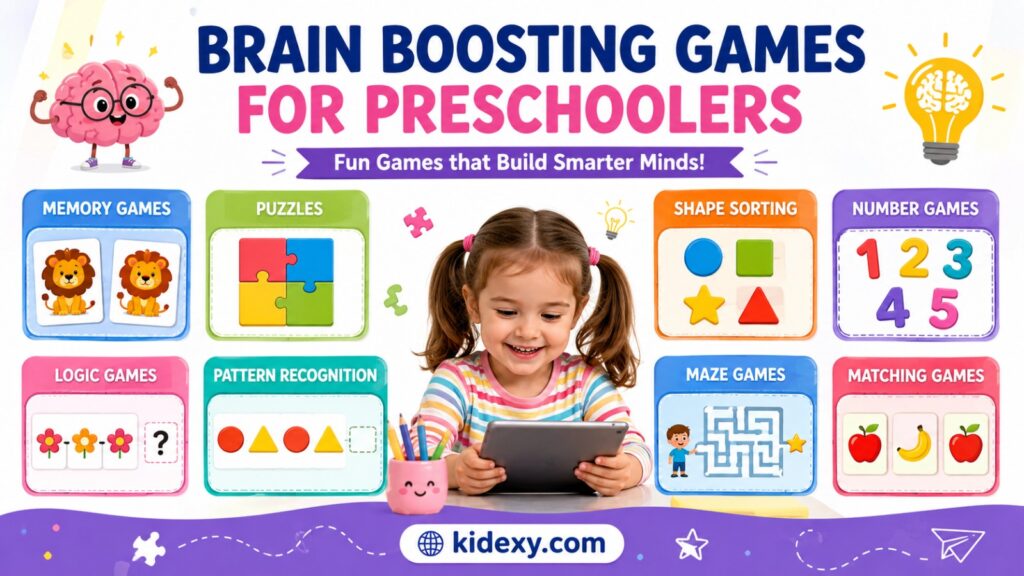
Children learn best when activities match their developmental stage. Younger learners benefit from simple, colorful experiences that focus on basic concepts such as numbers, letters, shapes, and colors. These activities build foundational skills while maintaining attention through fun interactions.
Older students require more advanced challenges that encourage reasoning, analysis, and independent thinking. Activities designed for elementary and middle school learners often include strategy-based tasks, simulations, and subject-specific exercises. Selecting age-appropriate resources ensures a positive and productive learning experience.
Online and Offline Learning Opportunities
Digital learning platforms offer convenience and accessibility. Children can access educational content from home, school, or while traveling. Many platforms also include progress tracking, personalized recommendations, and interactive feedback that support continuous improvement.
Offline activities remain equally valuable because they encourage social interaction and reduce screen time. Board games, card games, puzzles, and hands-on projects promote communication and teamwork while reinforcing academic concepts. A balanced combination of online and offline experiences often produces the best results.
What Makes a High-Quality Learning Resource
Not all learning activities provide the same educational value. The most effective options combine engaging content with clear learning objectives. They challenge learners appropriately without causing frustration and provide meaningful feedback that encourages improvement.
Safety is another important factor. Parents and educators should select trusted platforms that prioritize child-friendly environments and secure browsing experiences. Accessible design, age-appropriate content, and positive reinforcement are additional qualities that contribute to a successful learning experience.
Using Learning Activities at Home and School
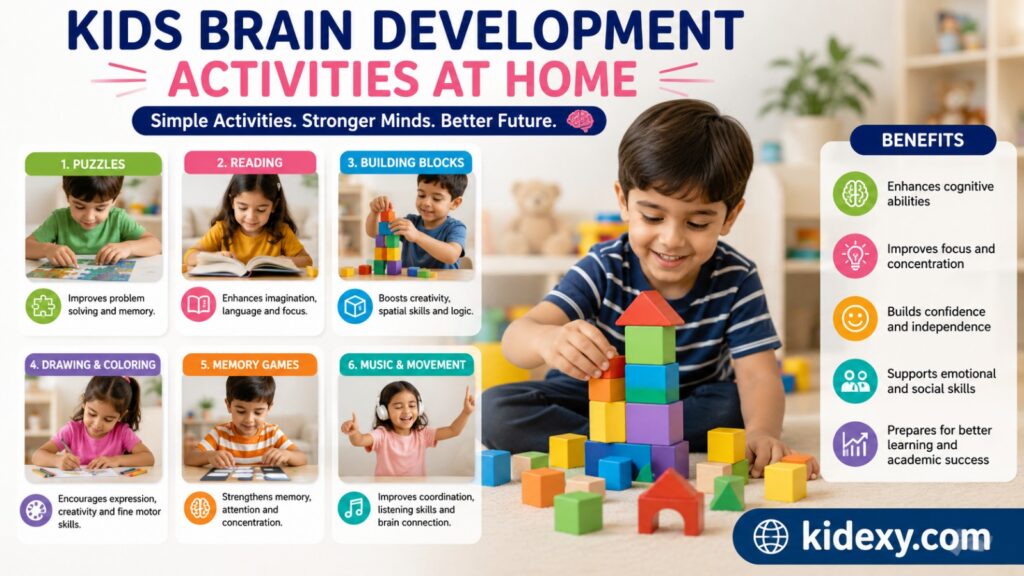
Families can use interactive activities to make learning part of everyday life. Short sessions focused on reading, mathematics, science, or problem-solving can reinforce classroom lessons and provide additional practice. These experiences help children develop positive attitudes toward education.
Teachers also use game-based strategies to increase classroom engagement. Interactive activities encourage participation, collaboration, and active learning. Students often respond more positively when lessons include creative challenges and opportunities to apply knowledge in practical ways.
Looking Ahead
Technology continues to transform the educational landscape. Innovations such as artificial intelligence, virtual reality, and personalized learning systems are creating new opportunities for interactive education. These advancements make learning more engaging, adaptable, and effective for students of different abilities.
As digital tools continue to evolve, learning experiences will become increasingly customized to individual needs. This personalized approach has the potential to improve academic outcomes while making education more enjoyable and accessible for children around the world.
Conclusion
Educational games have changed the way children learn by combining knowledge with entertainment. They provide opportunities to build academic skills, improve confidence, and develop critical thinking abilities in an engaging environment. Whether focused on mathematics, reading, science, or coding, these resources support learning through active participation and exploration.
By choosing high-quality learning tools and maintaining a healthy balance between digital and offline activities, parents and educators can create meaningful educational experiences. Interactive learning not only improves academic performance but also encourages curiosity, creativity, and a lifelong love of learning.
FAQs
What are educational games?
Educational games are interactive activities designed to teach knowledge and skills while keeping learners engaged through enjoyable gameplay.
How do educational games benefit children?
They improve engagement, strengthen problem-solving skills, increase confidence, and help students retain information more effectively.
Are free online learning games effective?
Many free resources provide valuable educational experiences when they are created by trusted educational organizations and platforms.
Can these activities improve reading skills?
Yes. Reading-based activities help children build vocabulary, comprehension, spelling, and communication skills.
Do interactive learning tools help with math?
They provide enjoyable practice opportunities that strengthen numerical understanding, logical thinking, and problem-solving abilities.
Can children learn coding through games?
Yes. Many beginner-friendly platforms introduce coding concepts through puzzles, challenges, and creative projects.
Are these resources suitable for classroom use?
Teachers often use interactive activities to increase participation, reinforce lessons, and encourage collaborative learning.
How much screen time is appropriate?
The amount varies by age, but digital learning should be balanced with physical activities, reading, and offline educational experiences.
What age groups can benefit?
Children of all ages, from preschoolers to teenagers, can benefit when activities are matched to their developmental level.
How can parents choose the best options?
Look for age-appropriate content, clear learning goals, positive reviews, strong safety features, and engaging educational experiences.