Introduction to Toddler Health
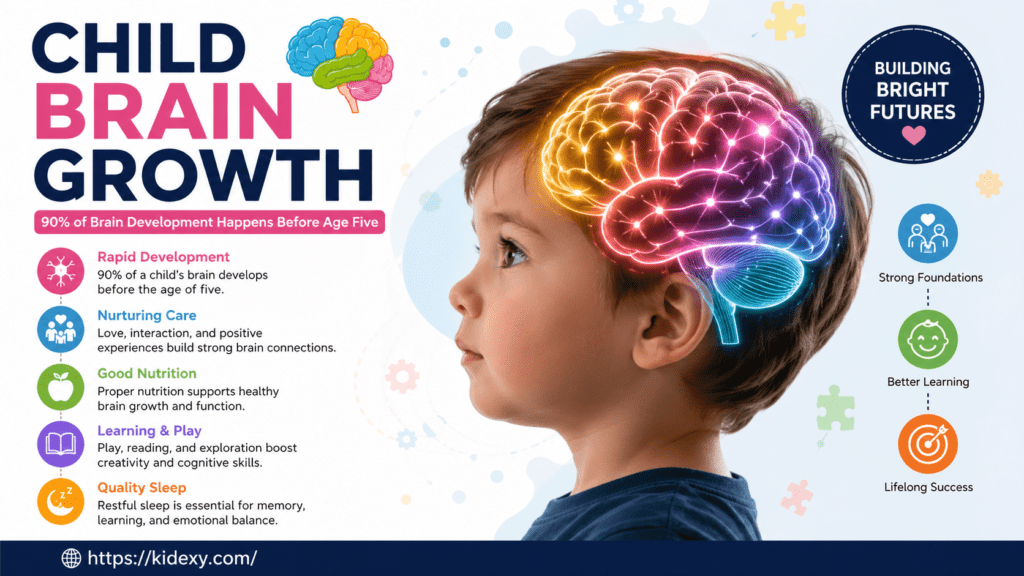
Toddler health is one of the most important foundations of early childhood development because this stage shapes physical growth, brain development, emotional stability, and lifelong habits. Between the ages of one and three, children experience rapid changes in behavior, appetite, sleep patterns, and learning abilities. Parents often notice that toddlers become more active, curious, and independent during this stage, which makes proper guidance essential for balanced development.
Toddler health also involves understanding how nutrition, sleep, hygiene, and preventive care work together to support strong immunity and healthy growth. During this period, children require consistent routines, emotional support, and safe environments to thrive. When parents follow structured habits and monitor development closely, toddlers are more likely to grow into healthy and confident children. This guide explains every essential aspect in detail to support better parenting decisions.
Nutrition and Healthy Eating Habits for Toddlers
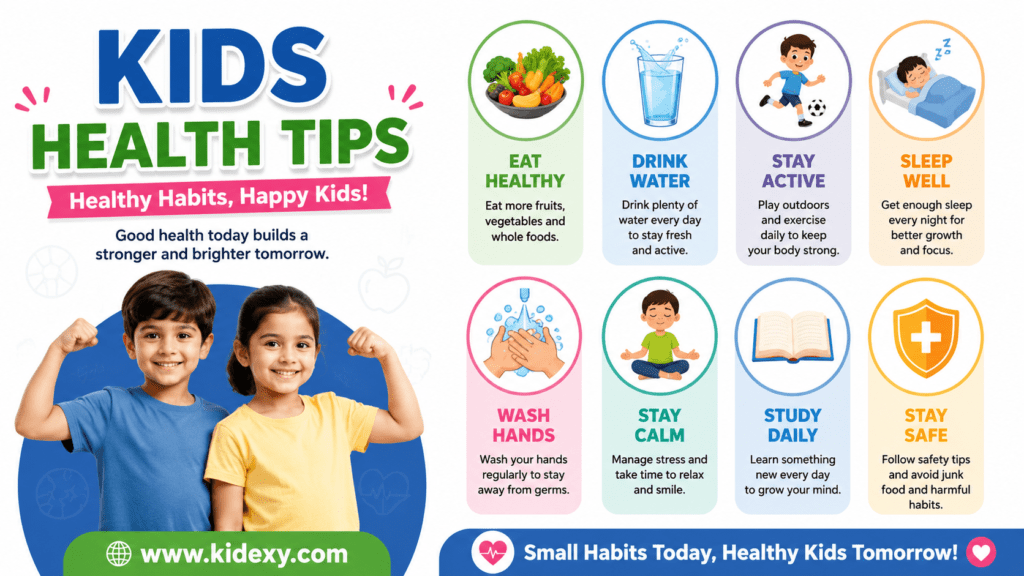
Nutrition plays a major role in toddler health because it directly affects physical growth, brain development, and energy levels. Toddlers require a balanced diet that includes fruits, vegetables, grains, dairy, and proteins in small but frequent portions. Since their stomachs are still developing, they cannot consume large meals, so meal planning should focus on nutrient density rather than quantity.
Healthy eating habits should be introduced early to build a strong foundation for lifelong wellness. Parents should encourage water as the primary drink and reduce sugary beverages that can harm dental health and cause energy crashes. Picky eating is common at this stage, so offering variety without pressure is important. Repeated exposure to healthy foods helps toddlers gradually accept new tastes and improves their overall this health development.
Another important aspect of toddler health is managing snack time effectively. Healthy snacks such as fruits, yogurt, and whole grains can help maintain energy levels throughout the day. Processed foods, excessive sugar, and salty snacks should be avoided as they can negatively affect growth and behavior. A consistent meal schedule also helps regulate digestion and improves appetite control in toddlers.
Parents should also understand that appetite fluctuations are normal in this health. Some days toddlers may eat well, while other days they may eat very little. Instead of forcing food, caregivers should focus on creating a positive eating environment. This approach encourages healthy relationships with food and supports long-term nutritional balance.
Sleep Requirements and Healthy Sleep Routine
Sleep is a critical component of toddler health because it supports brain development, emotional regulation, and physical recovery. Toddlers typically require between eleven to fourteen hours of sleep within twenty-four hours, including daytime naps. A proper sleep schedule ensures better mood stability, improved learning ability, and stronger immunity in young children.
Creating a consistent bedtime routine is essential for improving this health. Activities such as bathing, reading, and soft storytelling help signal the body that it is time to sleep. Consistency is key because irregular sleep schedules can lead to irritability, difficulty focusing, and behavioral issues. A calm sleep environment with reduced noise and dim lighting also improves sleep quality significantly.
Sleep challenges are common in toddler health, especially during developmental transitions. Many toddlers experience night waking or resistance to bedtime due to separation anxiety or overstimulation. Parents should respond calmly and avoid reinforcing negative sleep associations. Gradually establishing independence in sleep habits helps toddlers develop better rest patterns over time.
Poor sleep can negatively affect this health by reducing attention span, weakening immunity, and increasing emotional outbursts. Therefore, maintaining a structured sleep schedule is not optional but essential for healthy growth. Encouraging naps during the day also supports better energy balance and cognitive development in toddlers.
Well-Child Visits and Preventive Healthcare
Regular medical checkups are a vital part of toddler health because they help monitor growth, development, and overall well-being. Well-child visits allow pediatricians to track height, weight, and developmental milestones while identifying any early signs of health concerns. These visits are typically scheduled at specific age intervals to ensure proper monitoring.
Vaccinations are another important aspect of toddler health during routine checkups. Immunizations protect children from serious diseases and strengthen their immune system. Parents should follow the recommended vaccination schedule provided by healthcare professionals to ensure complete protection. Missing vaccinations can increase the risk of preventable illnesses.
Preventive healthcare also includes monitoring speech development, motor skills, and cognitive abilities. Pediatricians evaluate whether a child is meeting expected milestones and provide guidance if delays are observed. Early intervention plays a significant role in improving long-term outcomes and ensuring balanced this health development.
Parents should also learn to recognize warning signs that require immediate medical attention. High fever, dehydration, breathing difficulties, or sudden behavioral changes should never be ignored. Timely consultation with a healthcare provider can prevent complications and support better recovery outcomes.
Physical Activity and Developmental Milestones
Physical activity is essential for toddler health because it strengthens muscles, improves coordination, and supports brain development. Toddlers naturally enjoy movement, and activities such as walking, running, climbing, and jumping help build gross motor skills. Encouraging active play ensures healthy energy release and improves sleep quality.
Fine motor skills are also an important part of toddler health development. Activities like stacking blocks, drawing, and using simple utensils help improve hand-eye coordination. These skills are essential for future learning tasks such as writing and self-care activities. Parents should provide safe and engaging environments to encourage exploration and creativity.
Outdoor play is highly beneficial for this health because it exposes children to fresh air, sunlight, and social interaction. Activities in parks or open spaces help improve physical strength and emotional well-being. However, safety should always be prioritized to prevent injuries and accidents during play.
Developmental milestones vary from child to child, but parents should monitor progress regularly. Delays in walking, speaking, or social interaction may require professional evaluation. Early detection ensures better support and improves overall this health outcomes in the long run.
Hygiene, Safety, and Daily Care
Hygiene practices are fundamental to toddler health because they prevent infections and promote cleanliness habits. Regular handwashing is one of the most effective ways to reduce the spread of germs. Teaching toddlers proper hygiene routines early helps build lifelong healthy habits and reduces illness frequency.
Oral hygiene is also an important part of this health. Teeth should be cleaned twice daily as soon as they appear to prevent cavities and gum problems. Using a soft toothbrush and mild toothpaste helps maintain dental health. Parents should supervise brushing to ensure proper technique and consistency.
Safety measures at home are essential for protecting toddler health. Childproofing the environment by securing sharp objects, covering electrical outlets, and keeping harmful substances out of reach reduces the risk of accidents. Toddlers are naturally curious, so a safe environment allows them to explore without danger.
Screen time should also be limited as part of healthy this health practices. Excessive exposure to screens can affect sleep, attention span, and social development. Instead, interactive play and physical activities should be encouraged to support balanced growth and learning.
Emotional Development and Behavior Management
Emotional growth is a key part of toddler health because it influences behavior, communication, and social skills. Toddlers often experience strong emotions but lack the ability to express them clearly. This can lead to tantrums, frustration, and mood changes. Understanding these behaviors is important for effective parenting.
Positive discipline plays a major role in supporting this health. Instead of punishment, parents should use calm communication and consistent boundaries to guide behavior. Encouraging good behavior through praise helps toddlers develop confidence and emotional stability over time.
Language development is also closely linked to toddler health. Talking, reading, and interacting with toddlers regularly helps improve vocabulary and communication skills. As children learn to express themselves better, emotional outbursts gradually reduce, leading to improved behavior management.
Independence is another important aspect of this health development. Allowing toddlers to make simple choices builds confidence and decision-making skills. However, guidance is still necessary to ensure safety and structure. A balanced approach helps children grow emotionally strong and socially aware.
Conclusion
Toddler health is a comprehensive combination of nutrition, sleep, physical activity, hygiene, emotional development, and preventive care. Each element plays a crucial role in shaping a child’s overall growth and long-term well-being. When parents maintain consistency in routines and provide supportive environments, toddlers develop stronger physical and emotional foundations.
Understanding this health helps caregivers make informed decisions that positively impact a child’s future. From healthy eating habits to proper sleep schedules and regular medical checkups, every small step contributes to balanced development. With patience, awareness, and proper care, parents can ensure their toddlers grow into healthy, happy, and confident individuals.
FAQs
What is the importance of toddler health in early childhood?
Toddler health is important because it supports physical growth, brain development, emotional stability, and immunity. Proper care during this stage builds a strong foundation for lifelong wellness and helps prevent future health issues.
How much sleep is required for good this health?
Toddlers generally need between eleven to fourteen hours of sleep per day, including naps. Proper sleep supports learning, behavior control, and physical development, making it essential for overall this health.
What foods are best for improving this health?
A balanced diet including fruits, vegetables, whole grains, dairy, and proteins is best for this health. These foods provide essential nutrients needed for growth, energy, and strong immunity.
How often should toddlers visit a doctor for this health checkups?
Regular well-child visits are recommended at key developmental stages. These checkups help monitor growth, vaccinations, and early detection of health issues, ensuring proper this health management.
What are common signs of poor this health?
Warning signs include persistent fever, loss of appetite, extreme fatigue, breathing difficulties, or sudden behavioral changes. Immediate medical attention is required if these symptoms appear.
How does screen time affect this health?
Excessive screen time can negatively impact this health by reducing physical activity, affecting sleep quality, and delaying language development. Limiting screen exposure supports better overall growth.
Why is emotional development important in this health?
Emotional development helps toddlers manage feelings, improve communication, and build social skills. Strong emotional health supports better behavior, confidence, and long-term psychological well-being.