Introduction
Childhood is one of the most important stages for mental growth and cognitive development. During the years between five and ten, children develop stronger memory, improved concentration, creative thinking abilities, and emotional understanding. Parents and teachers often look for engaging ways to support this development naturally. Brain exercises for children age 5 to 10 are among the most effective methods for building healthy learning habits while keeping children entertained.
Modern children are exposed to distractions from screens, social media, and fast-paced entertainment. Because of this, many parents search for practical activities that improve focus and attention span. Brain exercises help children develop logical thinking, improve decision-making, and strengthen problem-solving abilities. These activities also encourage confidence and curiosity, which are essential for academic and social success throughout life.
Understanding Brain Development in Children
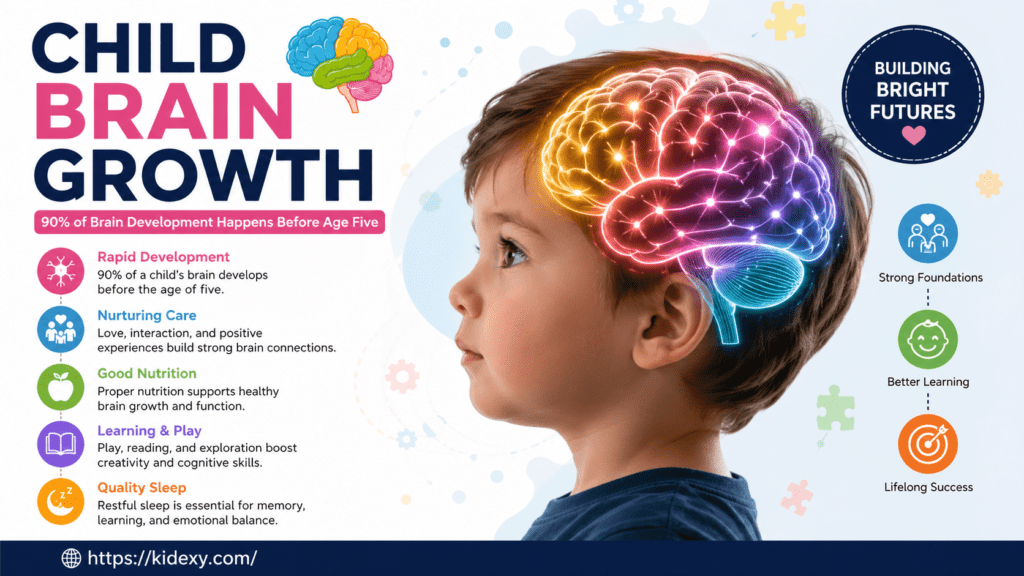
The human brain grows rapidly during early childhood years. Between ages five and ten, children begin understanding patterns, solving simple problems, communicating clearly, and expressing emotions more effectively. Their brains absorb information quickly, making this stage ideal for introducing educational games, puzzles, and memory-building exercises. Mental stimulation during this period creates stronger neural pathways that support lifelong learning.
Children at this age are naturally curious and energetic. They enjoy discovering new things, asking questions, and experimenting with different ideas. Brain exercises provide a healthy way to channel this curiosity into productive learning experiences. Activities such as puzzles, storytelling, matching games, and creative tasks help children improve focus while encouraging imagination and independent thinking skills.
Importance of Brain Exercises for Children
Brain exercises are not only about improving intelligence. They also strengthen emotional control, communication abilities, and social interaction. Many children struggle with concentration because they lack engaging mental activities. Regular cognitive exercises improve attention span and teach children how to stay calm while solving challenges. These benefits positively influence school performance and daily routines.
Parents who include brain exercises in everyday life often notice positive behavioral changes. Children become more patient, organized, and motivated to learn. Educational games also reduce boredom and encourage children to participate actively in learning activities. Brain exercises for children age 5 to 10 create a balanced environment where learning feels enjoyable rather than stressful or forced.
Benefits of Memory Building Activities
Memory is an essential skill for learning new information and completing tasks successfully. Children use memory while reading stories, solving math problems, and following classroom instructions. Memory-building activities strengthen the brain’s ability to store and recall information quickly. Simple games like card matching and remembering sequences can improve both short-term and long-term memory.
Children who practice memory exercises regularly often become better learners. They remember instructions more easily and perform better in academic tasks. These activities also improve listening skills and increase confidence during communication. Parents can turn memory exercises into fun family games, helping children learn naturally without feeling pressured or overwhelmed.
Focus and Concentration Improvement
Concentration is becoming increasingly difficult for children due to digital distractions and excessive screen exposure. Brain exercises designed for attention improvement help children stay focused for longer periods. Activities such as puzzles, drawing tasks, and observation games encourage children to pay attention to details and think carefully before responding.
Improved concentration benefits children both academically and socially. Focused children complete homework more efficiently and participate actively in classroom discussions. Attention-building exercises also help children develop patience and self-control. By practicing concentration skills daily, children become more disciplined and capable of handling challenging situations calmly and effectively.
Problem Solving and Logical Thinking
Problem-solving abilities are necessary for success in education and real-life situations. Brain exercises encourage children to think critically and analyze different possibilities before making decisions. Games involving patterns, sequences, and strategic thinking strengthen logical reasoning and improve decision-making abilities. These activities also teach children how to approach challenges with confidence and creativity.
Logical thinking exercises help children understand relationships between ideas and actions. Activities like puzzles, board games, and building tasks encourage children to identify solutions independently. Children who develop strong reasoning skills often perform better in mathematics, science, and creative subjects. Brain exercises for children age 5 to 10 provide a fun and effective foundation for lifelong analytical thinking.
Language and Communication Development
Language development plays a major role in cognitive growth. Children improve communication skills when they engage in storytelling, reading activities, and vocabulary games. Brain exercises involving words and conversation encourage children to express ideas clearly while strengthening comprehension and listening abilities. These exercises also increase creativity and imagination.
Children with strong communication skills often perform better in school and social settings. They become more confident while speaking and interacting with others. Storytelling games encourage children to think creatively and organize thoughts logically. Parents who read stories and encourage discussions at home create a positive environment that supports language learning naturally and effectively.
Role of Creative Activities in Brain Growth
Creative activities stimulate multiple parts of the brain simultaneously. Drawing, painting, crafting, and imaginative play encourage children to think differently and express emotions freely. Creative exercises strengthen problem-solving abilities because children learn to experiment with new ideas and discover unique solutions independently.
Artistic activities also improve fine motor skills and hand-eye coordination. Children become more confident when they create something meaningful through imagination and effort. Creativity encourages emotional expression and reduces stress, helping children feel relaxed and motivated. Brain exercises for children age 5 to 10 become more effective when creativity is included regularly in daily routines.
Memory Games for Children
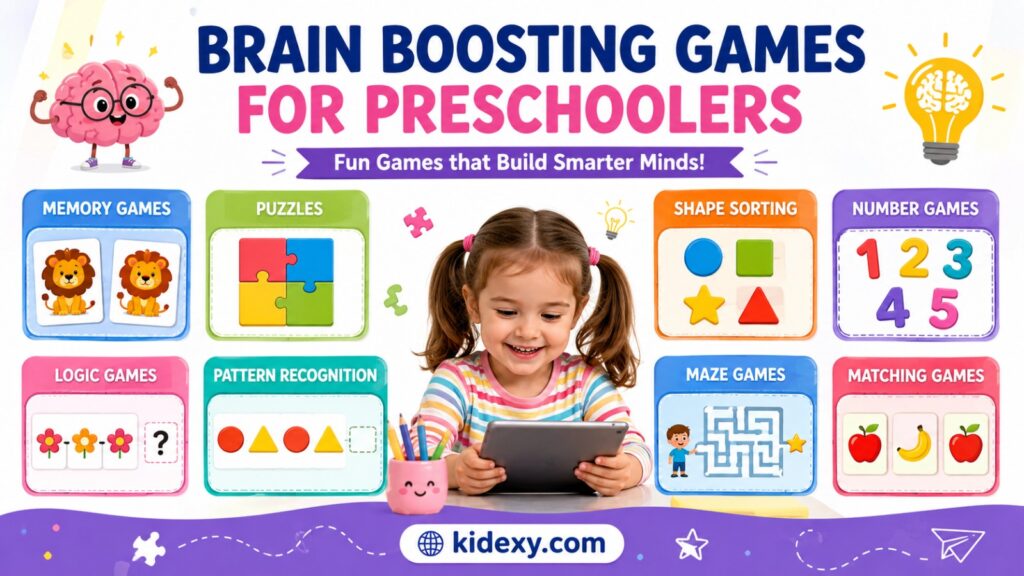
Memory games are among the easiest and most enjoyable brain exercises for young children. Activities such as matching cards, recalling object positions, and repeating sound patterns improve memory retention and concentration. These games challenge children to remember details while keeping their minds active and engaged throughout the activity.
Parents can create simple memory games at home using everyday objects. Showing children a group of items briefly before hiding them encourages visual memory development. Repeating sequences of words, claps, or numbers also strengthens auditory memory skills. These playful activities make learning exciting and encourage children to practice mental skills willingly.
Puzzle Activities for Brain Training
Puzzles provide excellent mental stimulation because they require concentration, patience, and logical reasoning. Jigsaw puzzles, tangrams, and shape-matching games improve spatial awareness and analytical thinking. Children learn how to identify patterns and connect pieces carefully while developing persistence and problem-solving confidence.
Completing puzzles gives children a sense of achievement and motivation. They experience satisfaction after solving a challenge independently, which boosts self-esteem and encourages further learning. Puzzle activities also improve coordination and visual processing skills. Including puzzles regularly in daily routines can significantly enhance cognitive growth during early childhood years.
Storytelling and Imagination Exercises
Storytelling activities encourage creativity, language development, and emotional intelligence. Children enjoy creating stories because it allows them to imagine different characters, situations, and adventures. Collaborative storytelling games improve listening skills and teach children how to organize thoughts logically while expressing ideas clearly.
Imaginative exercises stimulate brain activity by encouraging children to think beyond ordinary experiences. Pretend play and role-playing games help children understand emotions and social interactions better. Storytelling also strengthens memory because children must remember details and connect events logically. These activities create meaningful learning experiences while making education enjoyable and interactive.
Pattern Recognition and Math Games
Pattern recognition is an important cognitive skill that supports mathematics and logical reasoning. Activities involving colors, shapes, numbers, and sequences teach children how to identify relationships and predict outcomes. These exercises strengthen analytical thinking while improving concentration and visual processing abilities.
Math-based brain games help children develop confidence in problem-solving. Counting games, sorting activities, and simple calculations improve numerical understanding naturally. Children who practice pattern recognition regularly often perform better in mathematics and science subjects. Brain exercises for children age 5 to 10 that involve patterns and numbers also improve critical thinking skills effectively.
Physical Activities That Stimulate the Brain
Physical movement plays a significant role in brain development. Activities such as dancing, jumping, balancing, and coordination exercises increase blood circulation to the brain and improve mental alertness. Movement-based exercises also help children release excess energy, making it easier for them to concentrate afterward.
Brain gym activities are particularly useful for improving coordination between the left and right sides of the brain. Exercises like cross-crawls and balance tasks enhance focus, memory, and reaction time. Children who engage in regular physical activity often show improved academic performance and emotional stability because exercise supports both physical and mental health.
Screen Free Brain Activities
Many parents seek screen-free alternatives to support healthy childhood development. Traditional games and hands-on activities encourage creativity and social interaction without excessive digital exposure. Board games, crafts, outdoor exploration, and reading activities provide excellent mental stimulation while strengthening family relationships.
Screen-free activities also improve emotional well-being because children engage directly with people and surroundings. Outdoor games encourage observation skills and curiosity about nature. Hands-on learning experiences stimulate imagination more effectively than passive screen entertainment. Brain exercises for children age 5 to 10 become more meaningful when children interact actively with the real world around them.
Educational Toys for Cognitive Development
Educational toys combine learning and entertainment in a highly effective way. Building blocks, STEM kits, construction toys, and interactive puzzles encourage children to think creatively and solve problems independently. These toys also improve coordination, concentration, and planning abilities while making learning enjoyable.
Choosing age-appropriate educational toys helps children stay interested and motivated. Toys that involve creativity and experimentation encourage deeper learning experiences. Parents should select activities that match the child’s interests and abilities to maximize engagement. Educational toys provide valuable opportunities for children to practice cognitive skills naturally during playtime.
Building Healthy Learning Habits
Healthy routines play a major role in brain development and academic success. Children learn more effectively when they have consistent schedules that include learning, physical activity, relaxation, and proper sleep. Structured routines create a sense of security and help children develop discipline and responsibility.
Parents can encourage learning habits by creating a calm and organized environment at home. Limiting distractions during study time helps children focus better. Positive encouragement and praise motivate children to continue learning enthusiastically. Brain exercises for children age 5 to 10 become more effective when combined with supportive parenting and balanced daily routines.
Importance of Sleep and Nutrition
Sleep and nutrition directly affect brain performance and emotional health. Children need adequate sleep for memory consolidation, concentration, and mood regulation. Poor sleep can reduce attention span and make learning difficult. Establishing healthy bedtime routines helps children stay mentally refreshed and emotionally balanced.
Nutritious foods also support cognitive growth and brain function. Fruits, vegetables, whole grains, nuts, eggs, and fish contain nutrients essential for memory and concentration. Hydration is equally important because dehydration can reduce focus and energy levels. Parents should encourage balanced eating habits to support healthy mental development naturally.
Encouraging Independent Thinking
Independent thinking allows children to develop confidence and decision-making abilities. Parents should encourage children to ask questions, explore ideas, and solve simple problems independently. Brain exercises that involve creativity and reasoning help children become more curious and motivated learners.
Children who think independently often become better problem-solvers in academic and social situations. Encouraging exploration teaches children that mistakes are part of learning and growth. Open discussions and creative activities help children express opinions confidently while respecting others’ perspectives. Independent thinking strengthens emotional resilience and prepares children for future challenges.
Common Mistakes Parents Should Avoid
Some parents unintentionally pressure children by expecting perfect performance in every activity. Excessive academic pressure can create stress and reduce motivation for learning. Brain exercises should feel enjoyable and engaging rather than difficult or forced. Children learn best when they feel relaxed and emotionally supported during activities.
Another common mistake is excessive screen exposure without balanced physical and creative activities. Long hours of passive entertainment can reduce attention span and limit imagination. Parents should encourage active learning experiences that involve movement, creativity, and social interaction. Balanced routines help children develop healthy cognitive and emotional habits naturally.
Long Term Impact of Brain Exercises
Consistent brain exercises provide benefits that continue into adolescence and adulthood. Children who develop strong cognitive skills early often become more confident learners and effective communicators. They are better prepared to handle academic challenges, solve problems independently, and adapt to changing situations successfully.
Brain exercises also contribute to emotional well-being and social confidence. Children who practice teamwork, storytelling, and strategic thinking become more comfortable interacting with others. These experiences create strong foundations for leadership, creativity, and lifelong learning habits. Brain exercises for children age 5 to 10 support overall growth in meaningful and lasting ways.
Conclusion
Childhood is the perfect time to strengthen memory, focus, creativity, and learning abilities through engaging mental activities. Brain exercises help children develop important cognitive skills while making learning exciting and enjoyable. Activities such as puzzles, storytelling, movement games, and creative play encourage healthy brain development naturally and effectively.
Parents and teachers play a crucial role in supporting children during these important developmental years. By introducing fun and educational activities regularly, adults can help children build confidence, concentration, and problem-solving abilities. Brain exercises for children age 5 to 10 create a strong foundation for academic achievement, emotional growth, and lifelong success.
FAQs
What are the best brain exercises for children age 5 to 10?
The best brain exercises include puzzles, memory games, storytelling, pattern recognition activities, and coordination exercises. These activities improve concentration, logical thinking, creativity, and memory while keeping children entertained and motivated to learn.
How often should children do brain exercises?
Children benefit most from short daily sessions rather than long occasional activities. Around twenty to thirty minutes of engaging mental exercises each day can significantly improve focus, learning abilities, and cognitive development over time.
Can physical activity improve brain function in children?
Yes, physical activity increases blood flow to the brain and improves mental alertness. Activities like dancing, jumping, balance exercises, and sports support memory, concentration, and emotional well-being while helping children stay active and healthy.
Are screen-free activities better for brain development?
Screen-free activities encourage creativity, social interaction, and hands-on learning. While educational digital tools can be useful in moderation, traditional games, reading, outdoor exploration, and creative play provide stronger opportunities for imagination and cognitive growth.
Which foods help improve children’s brain power?
Healthy foods such as fruits, vegetables, nuts, eggs, fish, whole grains, and dairy products support brain development. Proper hydration and balanced meals improve concentration, memory, and overall cognitive performance in growing children.
Why is storytelling important for children’s brains?
Storytelling improves language skills, creativity, memory, and emotional understanding. It encourages children to imagine situations, organize thoughts clearly, and communicate ideas confidently while strengthening listening and comprehension abilities.
Can brain exercises help children perform better in school?
Yes, regular brain exercises improve memory, concentration, and problem-solving skills, which directly support academic performance. Children who practice cognitive activities often become more confident learners and participate more actively in classroom learning.
How do parents encourage healthy brain development at home?
Parents can support brain development by creating learning-friendly environments, encouraging curiosity, limiting excessive screen time, providing healthy meals, ensuring proper sleep, and including fun educational activities in daily routines.