Introduction
Early childhood is a powerful stage of learning and mental growth. During the preschool years, children absorb information quickly and develop essential thinking abilities through simple daily experiences. Parents often search for meaningful activities that encourage learning while keeping children active, curious, and emotionally happy. Educational play becomes one of the easiest ways to support healthy development during these important years.
Brain boosting games for preschoolers can improve concentration, creativity, memory, and social confidence in a natural and enjoyable way. These games do not require expensive materials or complicated teaching methods. Many simple activities at home or outdoors can strengthen a child’s brain while creating exciting learning experiences. Preschool children learn best through play because it combines imagination, movement, problem solving, and communication in a stress-free environment.
Why Early Brain Development Matters
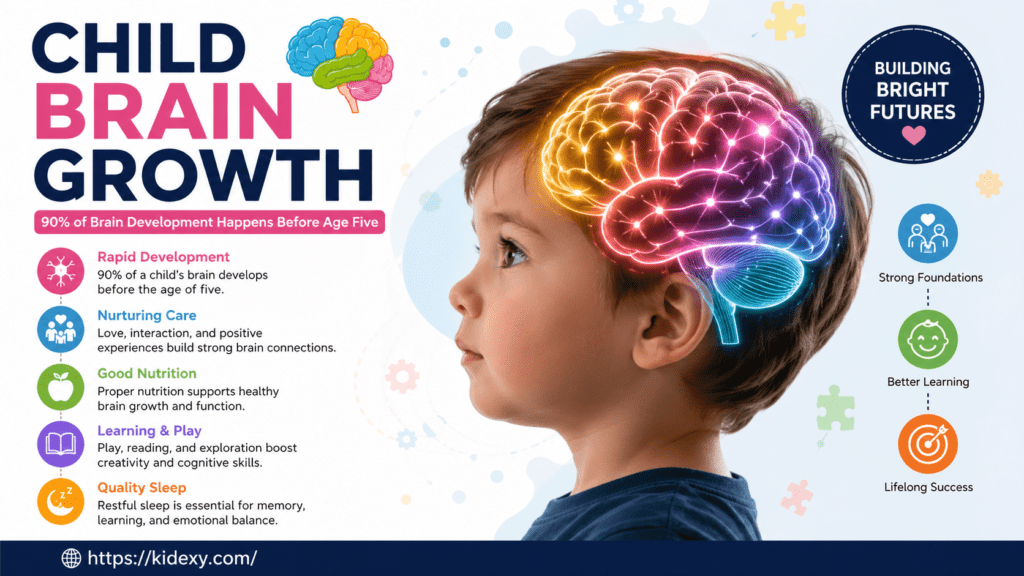
The preschool stage is one of the fastest periods of brain growth in human life. During these years, children build neural connections that help them understand language, emotions, movement, and logical thinking. Every activity, conversation, and learning experience contributes to shaping the way children process information later in life. Positive experiences during early childhood can create strong foundations for future academic success and emotional well-being.
Children who participate in educational games often develop stronger memory and attention skills compared to children who spend most of their time passively watching screens. Interactive learning experiences challenge the brain and encourage active participation. Simple tasks such as matching colors, solving puzzles, or repeating patterns can help strengthen important cognitive pathways while making learning feel exciting rather than difficult.
How Play Supports Cognitive Growth
Play is much more than entertainment for preschool children. It allows them to explore the world, test ideas, and improve their understanding of how things work. Through playful activities, children naturally practice communication, creativity, and problem solving. Educational games encourage preschoolers to stay curious while improving mental flexibility and decision-making skills.
When children actively participate in games, they use several areas of the brain at the same time. A memory game may require listening carefully, focusing attention, remembering details, and responding quickly. These combined actions strengthen mental coordination and encourage healthy brain activity. Consistent play-based learning also helps children feel confident about trying new tasks and solving small challenges independently.
Memory Games for Preschoolers
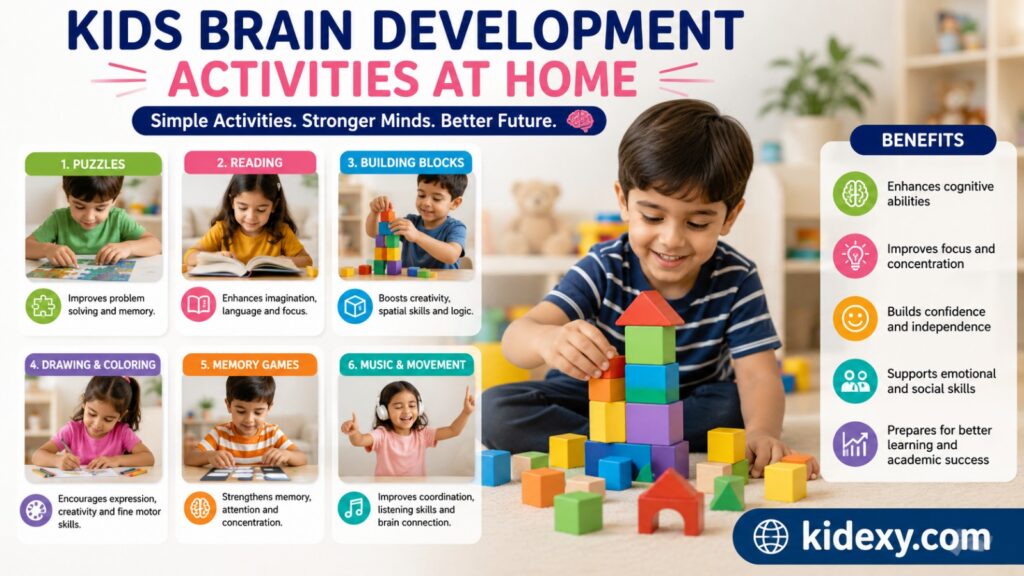
Memory games are among the most effective activities for strengthening cognitive skills during early childhood. Simple matching games encourage children to recognize patterns, remember locations, and improve visual memory. These activities train the brain to store and retrieve information more efficiently while helping preschoolers stay focused on tasks for longer periods of time.
Parents can create memory games using household items, flashcards, or toys. Children enjoy the excitement of finding matching objects and remembering hidden items. These playful experiences also improve observation skills and encourage patience. Brain boosting games for preschoolers that focus on memory can support learning abilities needed later for reading, writing, and classroom activities.
Matching Activities and Visual Learning
Matching activities help children improve attention to detail while developing logical thinking. Preschoolers learn to compare shapes, colors, pictures, and objects while understanding similarities and differences. These games support visual processing skills that are important for recognizing letters, numbers, and everyday patterns in learning environments.
Visual learning activities can easily become part of daily routines at home. Parents may ask children to match socks, organize toys by color, or identify objects with similar shapes. These simple tasks help strengthen concentration and memory without making learning feel formal or stressful. Interactive visual games also encourage children to stay engaged and curious throughout the activity.
Puzzle Games and Problem Solving
Puzzles provide valuable opportunities for children to practice reasoning and critical thinking. Preschoolers learn how to analyze pieces, recognize patterns, and make decisions while completing simple puzzles. This process encourages patience and perseverance because children must continue trying different solutions before achieving success.
Problem-solving activities also improve confidence. When preschoolers complete a puzzle independently, they feel proud of their achievement and become more willing to attempt new challenges. Educational puzzles support hand-eye coordination, focus, and logical reasoning while helping children understand how separate parts can work together to create a complete picture.
Building Creativity Through Pretend Play
Pretend play is one of the most powerful learning tools for preschool children. Imaginative activities allow children to explore emotions, develop communication skills, and create stories using their own ideas. Whether pretending to be teachers, doctors, chefs, or explorers, children strengthen creative thinking while expanding vocabulary and social understanding.
Creative play also encourages flexible thinking and emotional expression. Preschoolers learn how to solve imaginary problems, cooperate with others, and adapt to different situations during pretend games. These experiences improve confidence and communication while making learning enjoyable. Brain boosting games for preschoolers that involve imagination often lead to stronger emotional intelligence and social interaction skills.
Storytelling and Language Development
Storytelling activities help preschoolers improve vocabulary, listening skills, and comprehension. Children enjoy hearing stories and creating their own imaginative endings. This process strengthens memory and encourages language development naturally through repetition and creative thinking. Story-based games also improve sequencing skills because children learn to organize events in the correct order.
Parents can encourage storytelling by asking simple questions about characters, settings, or events. Children may also enjoy creating stories using pictures, toys, or drawings. These interactive conversations support communication abilities while helping preschoolers become more comfortable expressing ideas clearly and confidently in social situations.
Physical Games That Stimulate the Brain
Physical movement plays an important role in brain development. Activities involving running, jumping, balancing, and dancing improve blood circulation while strengthening coordination and concentration. Movement-based learning allows preschoolers to release energy while developing important cognitive and physical skills at the same time.
Games like freeze dance, obstacle courses, and follow-the-leader require children to pay attention carefully and react quickly. These activities improve listening skills, self-control, and focus. Physical play also supports emotional well-being because active children often feel happier, calmer, and more engaged in learning experiences throughout the day.
Outdoor Learning Activities
Outdoor play provides preschoolers with opportunities to explore nature and experience hands-on learning. Fresh air, open spaces, and sensory exploration stimulate curiosity and encourage active thinking. Nature walks, scavenger hunts, and gardening activities allow children to observe colors, textures, sounds, and shapes while developing awareness of the environment.
Outdoor educational games also support problem-solving and creativity. Children may build structures using natural materials, identify plants, or create imaginative adventures during playtime. Brain boosting games for preschoolers become even more effective when combined with outdoor experiences because movement and exploration help strengthen mental engagement naturally.
Social Skills Through Group Games
Group games teach preschoolers how to interact positively with others. Children learn cooperation, patience, sharing, and communication during team activities. Social play also helps preschoolers understand emotions and develop empathy while building confidence in group situations.
Activities that involve taking turns or working toward a shared goal encourage children to practice self-control and listening skills. Preschoolers who participate in group games often become better at resolving small conflicts and expressing feelings appropriately. These social experiences contribute to emotional growth while supporting overall cognitive development.
Educational Board Games for Preschoolers
Simple board games can improve memory, counting skills, and strategic thinking in young children. Preschool board games often involve matching, sorting, or recognizing patterns that strengthen concentration and decision-making abilities. These activities also teach patience because children must wait for turns and follow basic rules.
Board games provide opportunities for family interaction and cooperative learning. Parents can guide children gently while encouraging independent thinking during gameplay. Educational board games create enjoyable learning experiences that help preschoolers develop confidence and focus in a relaxed and supportive environment.
Music and Rhythm Activities
Music activities stimulate multiple areas of the brain at once. Singing songs, clapping rhythms, and dancing to music help preschoolers improve memory, coordination, and listening skills. Repetition in songs also supports language development because children naturally remember words and sounds through rhythm.
Rhythm-based activities encourage concentration and timing. Preschoolers enjoy copying beats, following musical instructions, and moving in response to sound patterns. These experiences strengthen auditory processing skills while making learning energetic and entertaining. Music also creates positive emotional experiences that can improve motivation and attention during educational activities.
Art Activities and Brain Development
Creative art activities encourage preschoolers to explore ideas freely while improving fine motor skills and concentration. Drawing, painting, and crafting help children strengthen hand coordination and visual thinking abilities. Art projects also support emotional expression because children communicate feelings and ideas through colors and shapes.
Art-based learning allows children to experiment without fear of mistakes. Preschoolers learn to make decisions independently while exploring textures, materials, and creative possibilities. Brain boosting games for preschoolers can include artistic activities because creativity strengthens problem-solving skills and encourages flexible thinking patterns.
Screen-Free Learning Experiences
Screen-free activities remain essential for healthy preschool development. Although educational apps may offer some learning benefits, children also need real-world interaction and hands-on experiences. Activities involving movement, conversation, creativity, and sensory exploration help preschoolers develop balanced cognitive and social skills.
Parents can encourage screen-free learning by organizing simple games at home using everyday materials. Building blocks, coloring activities, storytelling sessions, and pretend play create meaningful learning opportunities without relying on digital devices. Children who spend more time interacting with people and physical objects often develop stronger communication and attention skills.
Choosing Age-Appropriate Games
Selecting activities that match a child’s developmental level is important for maintaining interest and confidence. Games that are too difficult may cause frustration, while overly simple activities can lead to boredom. Preschoolers benefit most from activities that provide gentle challenges while remaining enjoyable and achievable.
Parents should observe their child’s interests and learning pace carefully. Some children enjoy movement-based activities, while others prefer puzzles, drawing, or storytelling. Offering different types of educational games helps children discover strengths and build confidence across multiple areas of development.
Building Daily Learning Routines
Consistent routines help preschoolers feel secure and organized. Short educational play sessions each day can strengthen memory and learning habits over time. Daily routines may include storytime, puzzle games, outdoor play, or creative activities that encourage active participation and curiosity.
Children often respond well to predictable learning schedules because routines reduce stress and increase focus. Parents do not need long study sessions to support development. Even short periods of meaningful interaction can create valuable learning experiences that improve attention, communication, and emotional connection.
Emotional Benefits of Educational Play
Educational games support emotional development as well as cognitive growth. Preschoolers learn how to handle success, frustration, patience, and teamwork during play activities. These experiences help children develop resilience and emotional confidence in a safe and encouraging environment.
Positive interactions during games also strengthen relationships between children and caregivers. Parents who participate in playful learning activities create supportive emotional connections while encouraging healthy communication. Children often feel more secure and motivated when learning experiences involve warmth, praise, and active engagement.
Common Mistakes Parents Should Avoid
Some parents unintentionally pressure children by turning every activity into a structured lesson. Preschoolers need balance between guided learning and free play. Excessive pressure can reduce enjoyment and make children feel anxious about making mistakes during activities.
Another common mistake involves overusing screens for entertainment or education. While technology can provide useful learning tools, children still require physical movement, social interaction, and hands-on exploration. Brain boosting games for preschoolers should include a healthy balance of active, creative, and social experiences rather than relying only on digital devices.
Encouraging Independent Thinking
Independent thinking develops when children are allowed to explore ideas and solve simple problems on their own. Parents can support this growth by asking open-ended questions and encouraging children to explain their thoughts during activities. This approach helps preschoolers build confidence and improve reasoning abilities naturally.
Allowing children to make small decisions during games also strengthens independence. Preschoolers may choose colors, create stories, or decide how to build structures during creative activities. These opportunities encourage flexible thinking and help children feel capable of solving challenges without constant assistance.
The Importance of Positive Reinforcement
Positive reinforcement motivates children to continue learning and trying new activities. Encouragement helps preschoolers feel confident about their abilities and reduces fear of failure. Simple praise for effort, creativity, or teamwork can increase enthusiasm for educational play significantly.
Parents should focus on celebrating progress rather than perfection. Preschoolers learn best when they feel supported and appreciated during activities. A positive learning environment encourages curiosity and helps children develop healthy attitudes toward problem solving and personal growth.
Long-Term Benefits of Brain Boosting Games
Educational games during preschool years can influence future academic and social success. Children who develop strong attention, communication, and problem-solving skills early often adapt more easily to school environments later. These abilities also support confidence and emotional resilience in everyday situations.
Brain boosting games for preschoolers encourage lifelong learning habits because children begin to associate education with enjoyment and discovery. Early positive learning experiences can inspire creativity, curiosity, and independence that continue throughout childhood and beyond.
Conclusion
Preschool years provide a valuable opportunity to strengthen memory, creativity, focus, and communication through playful learning experiences. Educational games help children explore the world actively while building important cognitive and emotional skills. Simple activities such as puzzles, storytelling, outdoor adventures, and creative play can support healthy development in meaningful and enjoyable ways.
Parents do not need expensive tools or complicated teaching methods to encourage learning at home. Consistent interaction, supportive guidance, and engaging activities can make a lasting difference in a child’s growth. Brain boosting games for preschoolers create opportunities for curiosity, confidence, and discovery while helping children develop essential skills for future success.
FAQs
What are the best brain boosting games for preschoolers?
Memory matching games, storytelling activities, puzzles, building blocks, and outdoor scavenger hunts are excellent choices for improving concentration, creativity, and problem-solving abilities in preschool children.
How often should preschoolers play educational games?
Preschoolers benefit from short daily learning sessions that include creative, physical, and cognitive activities. Consistent educational play for even a small amount of time each day can support healthy brain development effectively.
Are screen-based educational games useful for preschoolers?
Educational apps may support learning when used in moderation and under supervision. However, preschool children also need screen-free experiences involving movement, conversation, creativity, and social interaction for balanced development.
Can outdoor activities improve brain development?
Outdoor play stimulates curiosity, sensory exploration, coordination, and problem-solving skills. Activities in nature encourage active thinking while improving both physical health and emotional well-being.
Why is pretend play important for preschool children?
Pretend play strengthens imagination, communication, emotional understanding, and social confidence. It allows preschoolers to explore ideas creatively while practicing language and problem-solving skills naturally.