Introduction: Why Toddler Brain Growth Matters in Early Years
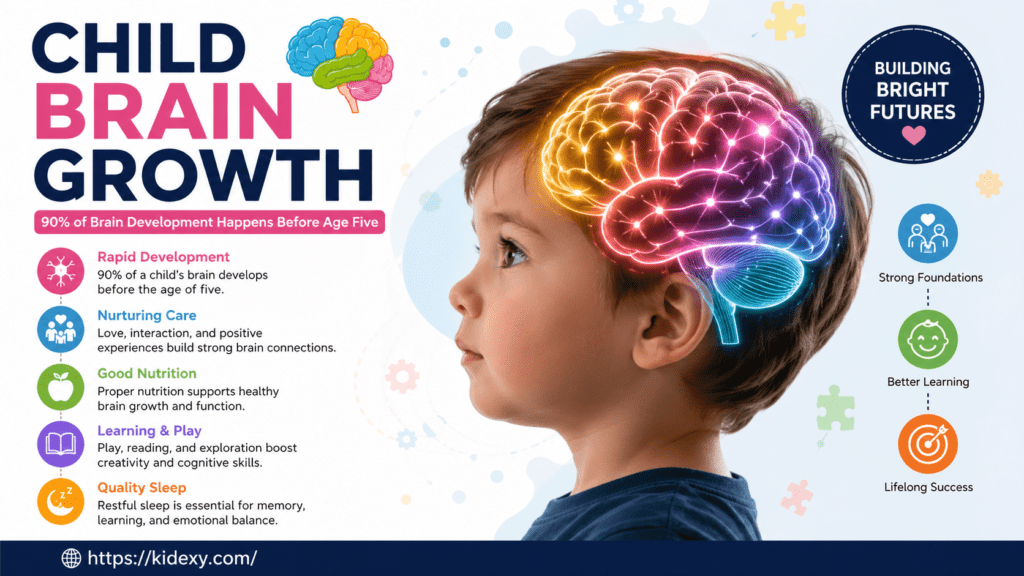
Early childhood is one of the most powerful stages in human development because the brain grows at an extremely rapid rate during this period. In the first few years of life, millions of neural connections are formed every second, shaping how a child thinks, feels, learns, and interacts with the world. This is why understanding early brain development tips for toddlers becomes essential for every parent who wants to support healthy growth.
During the toddler stage, experiences have a direct impact on cognitive abilities, emotional stability, and language development. Everyday interactions, such as talking, playing, and responding to a child’s needs, create the foundation for lifelong learning. Simple routines at home can significantly influence how strong and active these neural pathways become in the future.
The goal of this article is to explore practical and science-based early brain development tips for toddlers that parents can easily apply in daily life. These strategies are not complex or expensive; instead, they rely on consistency, attention, and meaningful interaction that help shape a strong intellectual foundation.
Understanding Toddler Brain Development Stages
Toddler brain development is a gradual but highly dynamic process that typically occurs between the ages of one and three. During this stage, the brain undergoes rapid growth in areas responsible for language, motor skills, emotional control, and problem-solving. Every new experience strengthens neural connections, making learning faster and more efficient over time.
One of the most important aspects of this stage is brain plasticity, which means the brain is flexible and highly responsive to environmental input. Positive experiences such as communication, play, and exploration help build stronger cognitive abilities. Negative environments or lack of stimulation, however, can slow down development and affect long-term learning outcomes.
Applying effective early brain development tips for toddlers during this stage ensures that children receive the right balance of stimulation and emotional support. Parents who understand these stages can create better learning environments that encourage curiosity, independence, and healthy emotional expression.
Serve and Return Interaction for Strong Brain Connections
One of the most powerful methods to support cognitive growth is the “serve and return” interaction technique. This involves responding to a toddler’s actions, sounds, or gestures in a meaningful way. When a child babbles or points at something, and the parent responds with words or expressions, it creates a communication loop that strengthens brain pathways.
This interaction is not just about speaking; it is about emotional engagement and attention. Eye contact, facial expressions, and tone of voice all contribute to building a secure emotional bond. These early exchanges teach children how communication works and help them feel understood and valued.
Among the most effective early brain development tips for toddlers, serve and return interactions play a critical role in shaping language skills, emotional intelligence, and social understanding. Regular engagement helps toddlers develop confidence and encourages them to communicate more actively.
Language Exposure and Communication Development
Language development is one of the most important milestones during toddler years. The more a child is exposed to spoken language, the faster their vocabulary expands and comprehension improves. Parents who frequently talk, describe actions, and name objects help build strong linguistic foundations.
Reading stories and engaging in simple conversations also support memory and imagination. Even everyday activities like grocery shopping or dressing can become learning opportunities when parents describe what is happening. Repetition plays a key role in helping toddlers retain and understand new words.
Using early brain development tips for toddlers that focus on communication ensures that children develop strong language skills early in life. This not only improves academic performance later but also enhances their ability to express thoughts and emotions effectively.
Play-Based Learning for Cognitive Growth
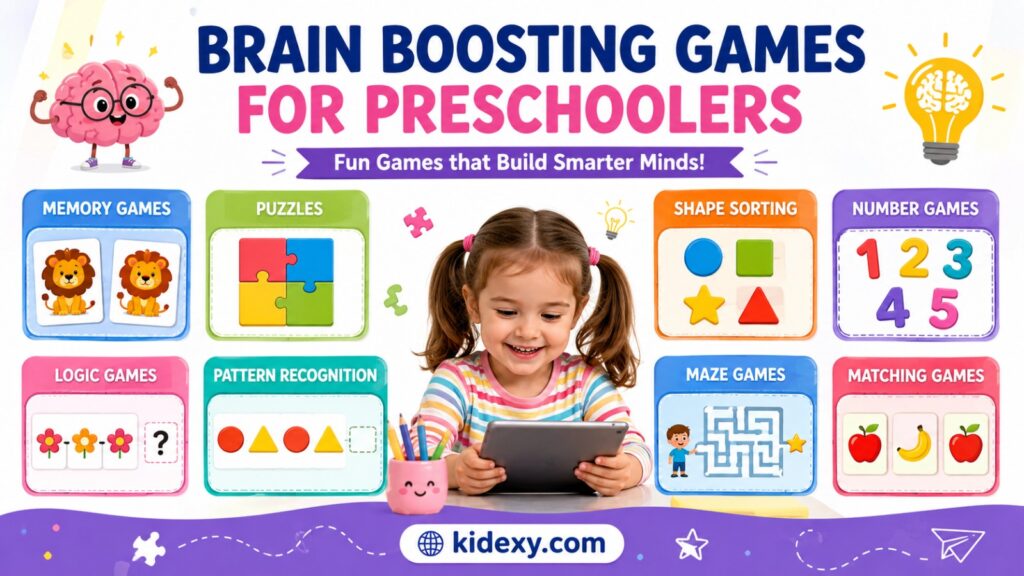
Play is one of the most natural and effective ways for toddlers to learn. Through play, children explore their environment, experiment with ideas, and develop problem-solving abilities. Activities such as stacking blocks, sorting shapes, or pretend play stimulate creativity and critical thinking.
Physical play is equally important because it supports motor skill development and coordination. Running, climbing, and jumping help strengthen both the body and brain. These activities also improve spatial awareness, balance, and focus.
Incorporating early brain development tips for toddlers through structured and unstructured play helps children build confidence and independence. Play allows them to learn from mistakes in a safe environment, which is essential for long-term cognitive growth.
Emotional Security and Its Role in Brain Development
Emotional security is a major factor in healthy brain development. When toddlers feel safe, loved, and supported, their brains are more open to learning and exploration. On the other hand, stress or emotional neglect can negatively impact cognitive development and memory formation.
Responsive parenting, where parents acknowledge and respond to a child’s emotional needs, helps build trust and stability. Simple actions like comforting a crying child or praising their efforts contribute to emotional strength and resilience.
One of the most overlooked early brain development tips for toddlers is maintaining emotional stability in the home environment. A secure emotional foundation allows children to focus better, learn faster, and develop stronger social skills.
Healthy Environment and Daily Learning Habits
A healthy environment plays a crucial role in shaping a toddler’s brain. This includes proper nutrition, consistent sleep schedules, and reduced exposure to screens. Nutrient-rich foods support brain function, while adequate sleep helps in memory consolidation and learning retention.
Daily habits such as reading before bedtime, engaging in conversations during meals, and encouraging curiosity help create a stimulating learning atmosphere. Even small routines can have a significant impact on cognitive development when practiced consistently.
Applying early brain development tips for toddlers through daily habits ensures that learning becomes a natural part of life. A balanced routine supports both physical and mental development, helping toddlers grow into confident learners.
Common Parenting Mistakes That Slow Brain Growth
Many parents unintentionally make mistakes that can slow down a child’s brain development. One common issue is excessive use of digital devices, which reduces real-world interaction and limits creative thinking. Passive screen time does not provide the same learning benefits as active engagement.
Another mistake is over-controlling a child’s activities, which prevents them from exploring and solving problems independently. Toddlers need opportunities to make mistakes and learn through experience. Without this freedom, their problem-solving abilities may become limited.
Avoiding these mistakes is part of effective early brain development tips for toddlers. Parents who encourage exploration while maintaining balance help children develop stronger cognitive and emotional skills.
Practical Daily Routine for Brain Development
Creating a structured daily routine can significantly improve a toddler’s learning experience. Morning interactions such as talking, singing, and simple activities help activate the brain for the day. These early moments set a positive tone for learning and curiosity.
Throughout the day, incorporating learning into daily tasks like cooking, cleaning, or playing enhances cognitive engagement. Even simple instructions like sorting toys or identifying colors can become educational moments.
Evening routines such as storytelling, quiet play, and bonding time help reinforce memory and emotional security. Consistency is key when applying early brain development tips for toddlers, as repeated patterns help strengthen neural connections.
Building Creativity and Problem-Solving Skills
Creativity is an essential part of brain development and can be nurtured through open-ended activities. Encouraging toddlers to draw, build, or imagine stories helps them think independently and develop innovative thinking skills.
Problem-solving activities such as puzzles or simple challenges teach patience and logical reasoning. When children are allowed to experiment without fear of failure, they develop stronger cognitive flexibility.
These creative approaches are important early brain development tips for toddlers because they prepare children for future academic and life challenges by strengthening their ability to think critically and adapt.
Importance of Social Interaction in Early Learning
Social interaction plays a key role in developing communication and emotional intelligence. When toddlers interact with parents, siblings, or peers, they learn essential social behaviors such as sharing, listening, and cooperation.
Group activities and playdates help children understand different perspectives and improve adaptability. These interactions also build confidence and reduce anxiety in new environments.
Including social learning in early brain development tips for toddlers ensures that children grow into socially capable and emotionally balanced individuals.
Encouraging Independence and Confidence
Allowing toddlers to perform simple tasks independently builds confidence and self-esteem. Activities such as feeding themselves, picking toys, or choosing clothes help them feel capable and responsible.
When children are given the freedom to try and sometimes fail, they learn persistence and resilience. These experiences are essential for developing a strong mindset and problem-solving skills.
Encouraging independence is one of the most effective early brain development tips for toddlers, as it prepares children for future challenges and builds lifelong confidence.
Conclusion: Building a Strong Foundation for Lifelong Learning
Supporting toddler brain development is not about complex techniques but about consistent love, interaction, and engagement. Every conversation, game, and routine contributes to shaping how a child learns and grows.
By applying practical early brain development tips for toddlers, parents can create an environment that promotes curiosity, confidence, and emotional strength. Small daily actions have a powerful long-term impact on brain development and future success.
A supportive and interactive home environment ensures that toddlers develop strong cognitive abilities, emotional balance, and social skills. These early foundations become the building blocks of lifelong learning and achievement.
FAQs
What are the best early brain development tips for toddlers?
The best tips include talking regularly, reading daily, engaging in play-based learning, and providing emotional support. These activities help build strong neural connections and improve cognitive skills.
At what age does most brain development happen?
Most brain development occurs between birth and age three, when the brain forms millions of neural connections based on experiences and interactions.
How does play help in brain development?
Play improves problem-solving skills, creativity, motor coordination, and emotional understanding by allowing children to explore and learn naturally.
Does screen time affect toddler brain development?
Yes, excessive screen time can reduce interaction, slow language development, and limit creative thinking in toddlers.
How important is talking to toddlers for brain growth?
Talking to toddlers is extremely important because it builds vocabulary, improves communication skills, and strengthens cognitive development.
Can routine activities improve brain development?
Yes, daily routines such as reading, eating together, and playing create structure and repetition, which strengthen memory and learning abilities.
How can parents improve emotional development in toddlers?
Parents can improve emotional development by responding to needs, providing comfort, showing affection, and maintaining a stable environment.